
Mobile6 min read
Combating Motion Sickness with Software: Inside Android's Motion Assist Feature
Google's Motion Assist leverages subtle visual cues on mobile screens to alleviate vestibular conflict and combat motion sickness for users on the move.

Google's Motion Assist leverages subtle visual cues on mobile screens to alleviate vestibular conflict and combat motion sickness for users on the move.
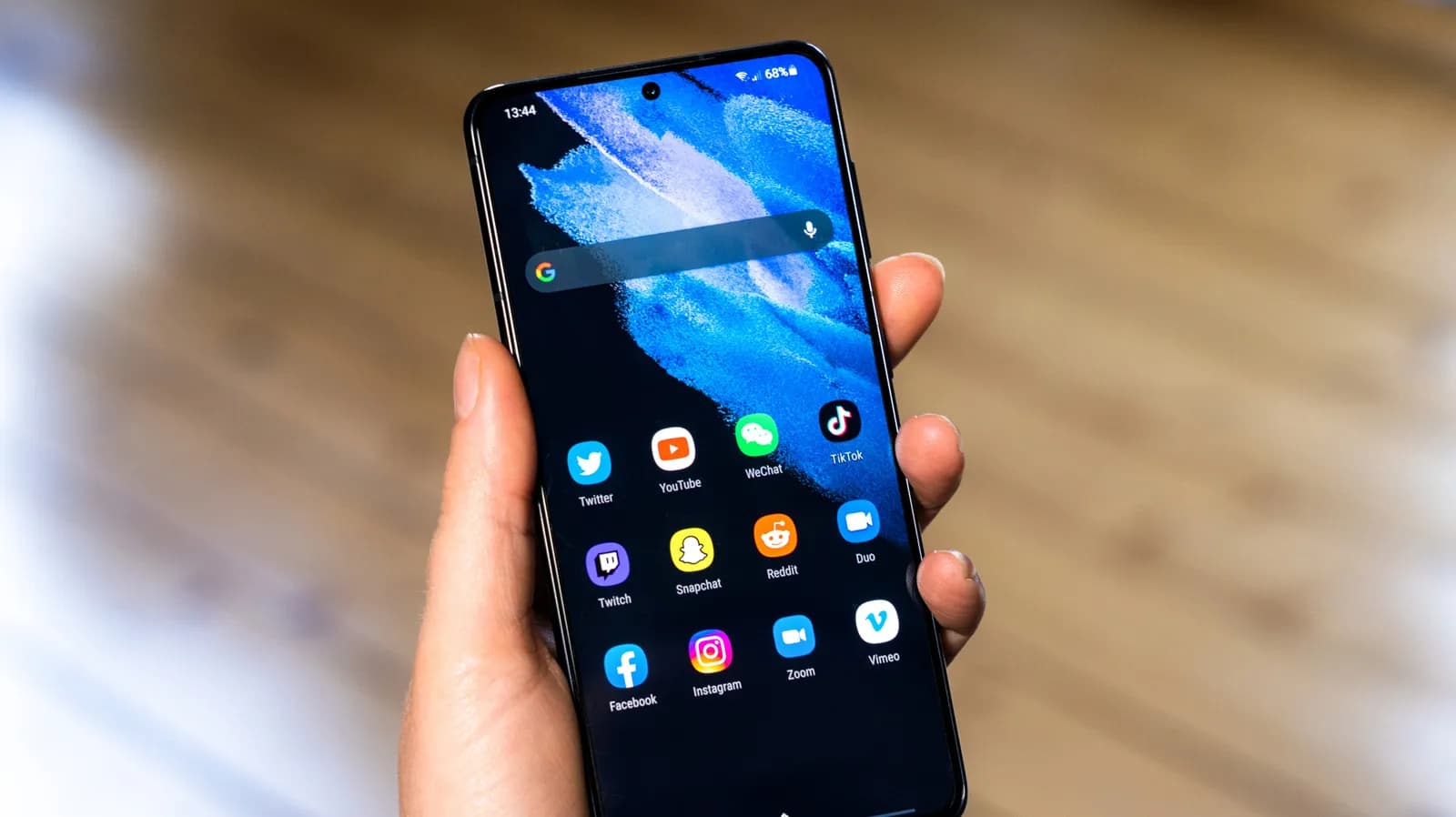
Samsung's One UI 9 release brings a wave of interface improvements, deep customization options for system panels, and refined user experience workflows for mobile developers and enthusiasts alike.
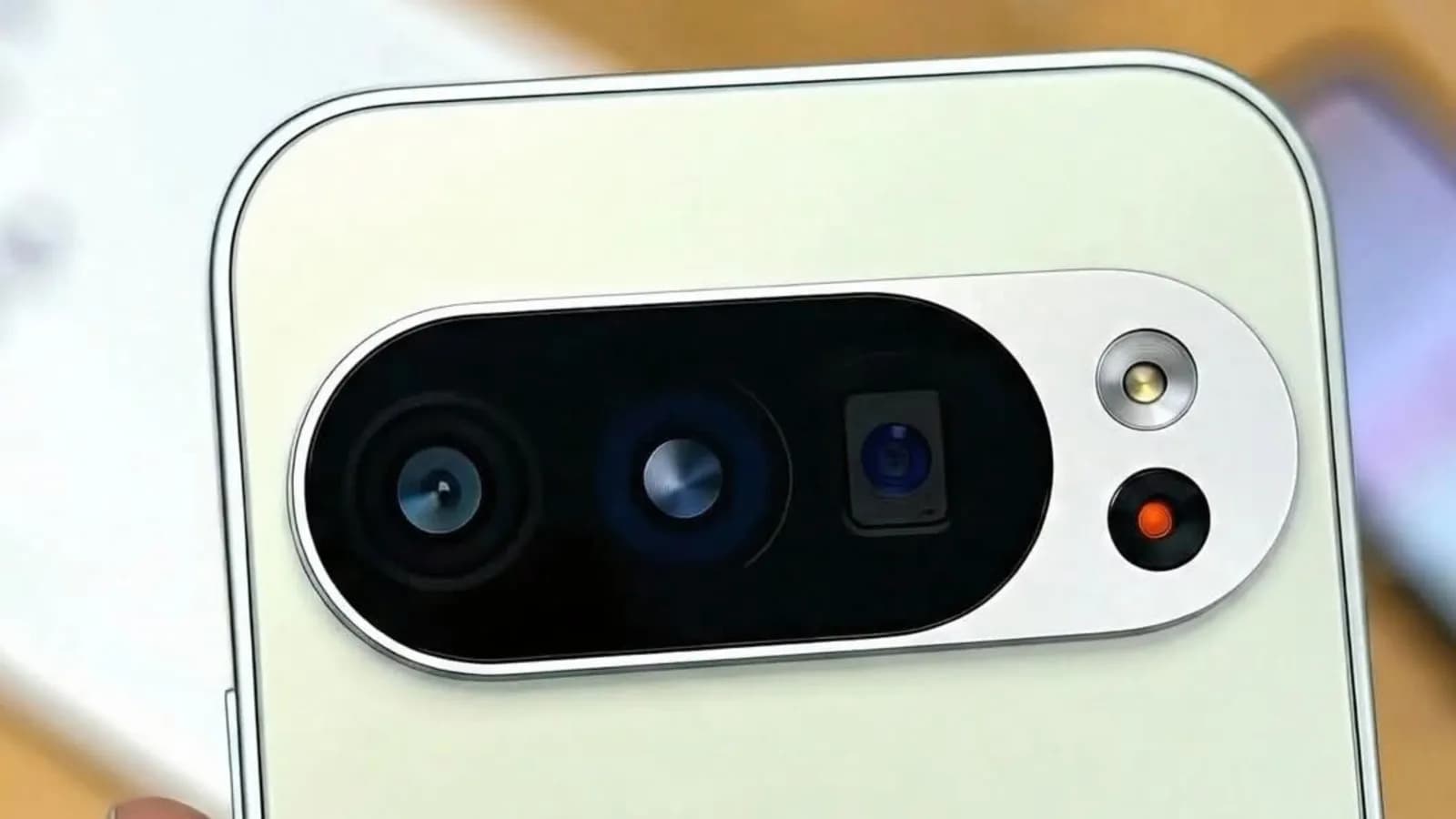
Recent developments in Android's desktop interface capabilities are bridging the gap between mobile hardware and traditional desktop computing.
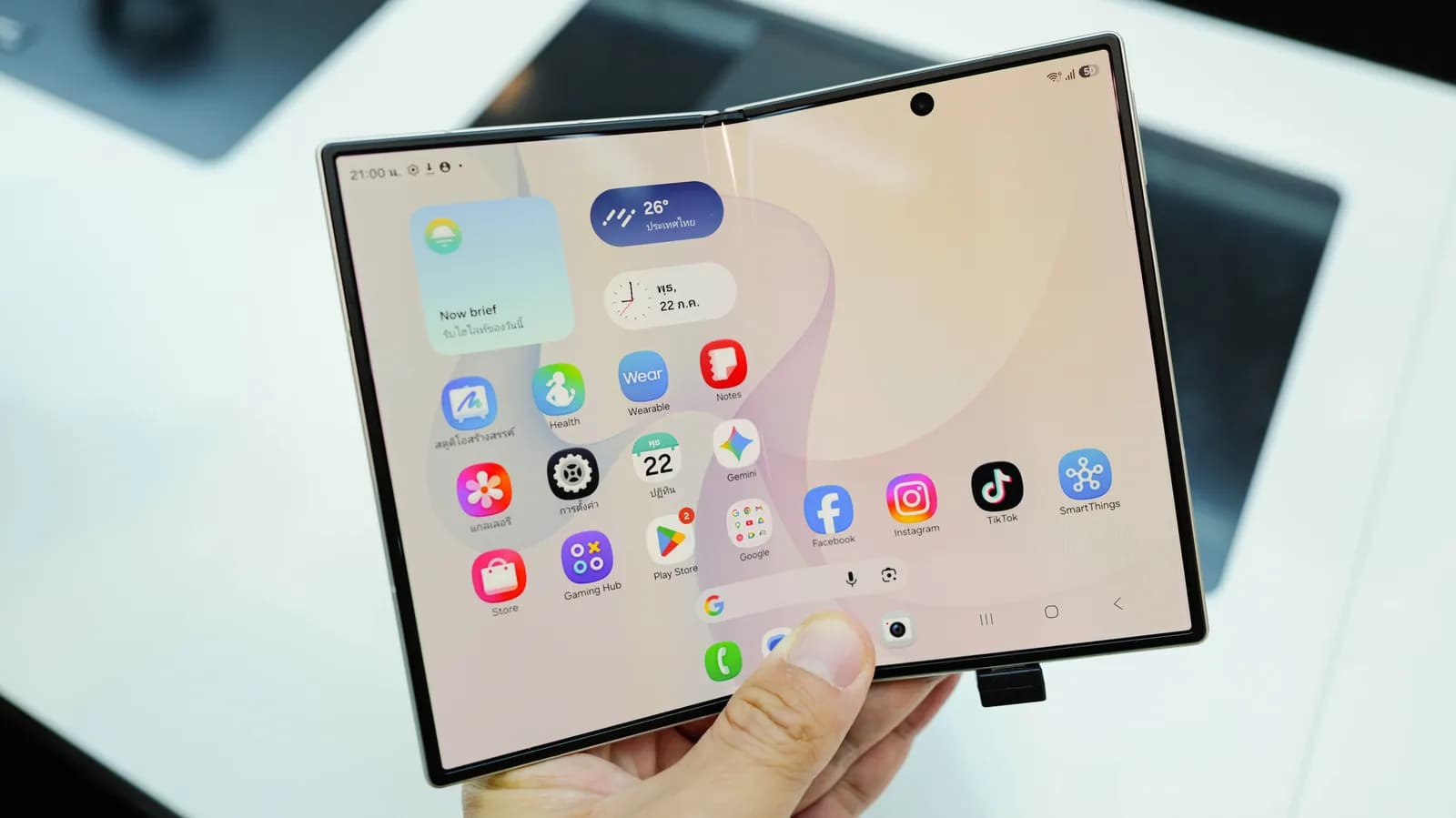
An examination of how Apple entering the foldable smartphone market might dramatically accelerate innovation, hardware refinement, and mainstream adoption for competitors like Samsung.

While modern iPhones feature powerful USB-C ports, wired printing remains officially unsupported on iOS. Here is an architectural look at why Apple chose AirPrint and sandboxed drivers over legacy USB connections.

As the smartphone market matures, Apple faces mounting pressure to expand its hardware paradigm beyond traditional slabs and introduce smaller and larger foldable devices.
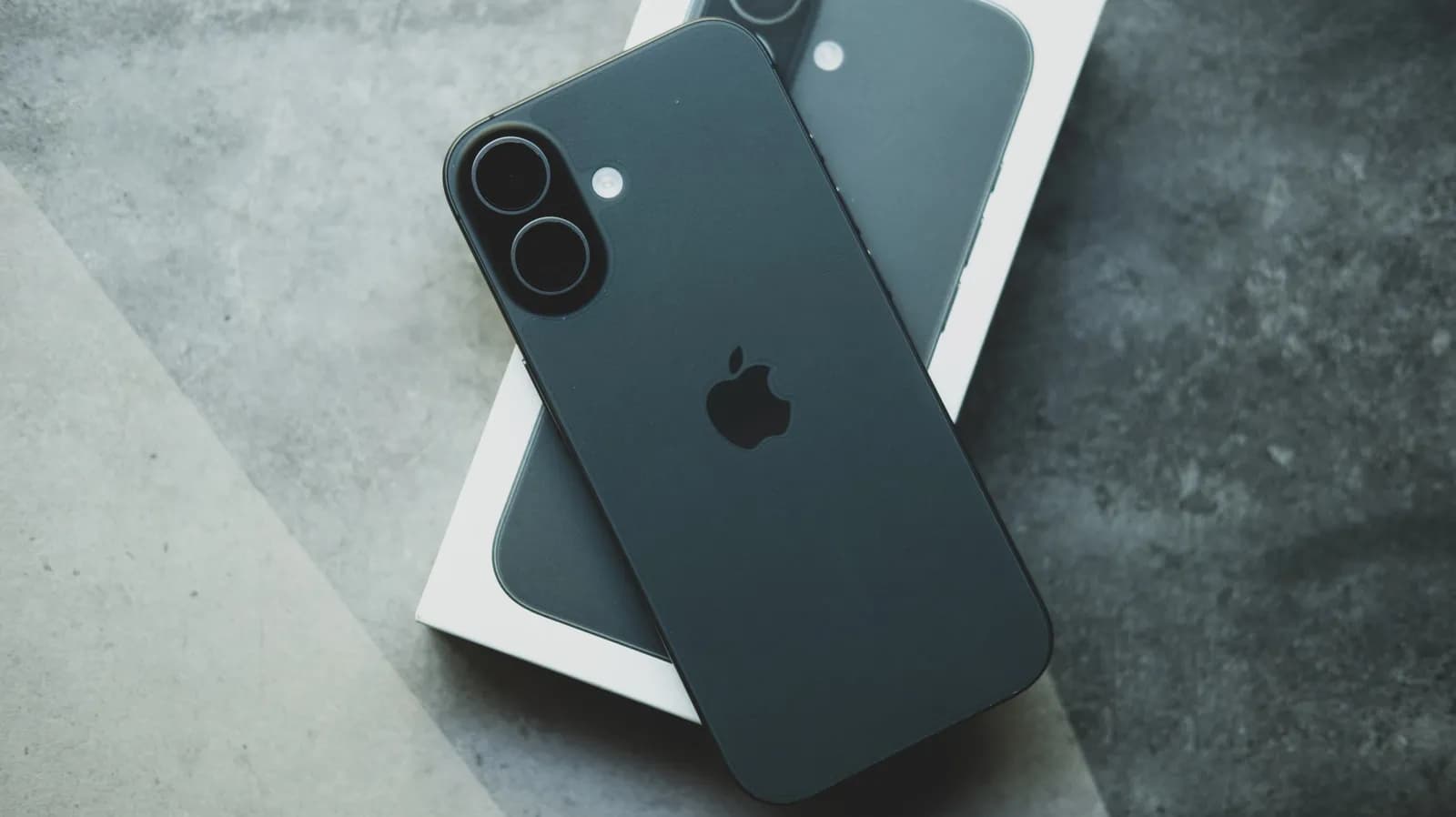
An in-depth look at why resetting your iPhone's camera settings to default can solve frustrating photo quality issues and streamline your mobile photography workflow.

Android Auto contains a hidden developer menu that provides advanced control over screen resolution, diagnostics, and UI behavior. Here is how to unlock the menu and why it matters for developers and power users.
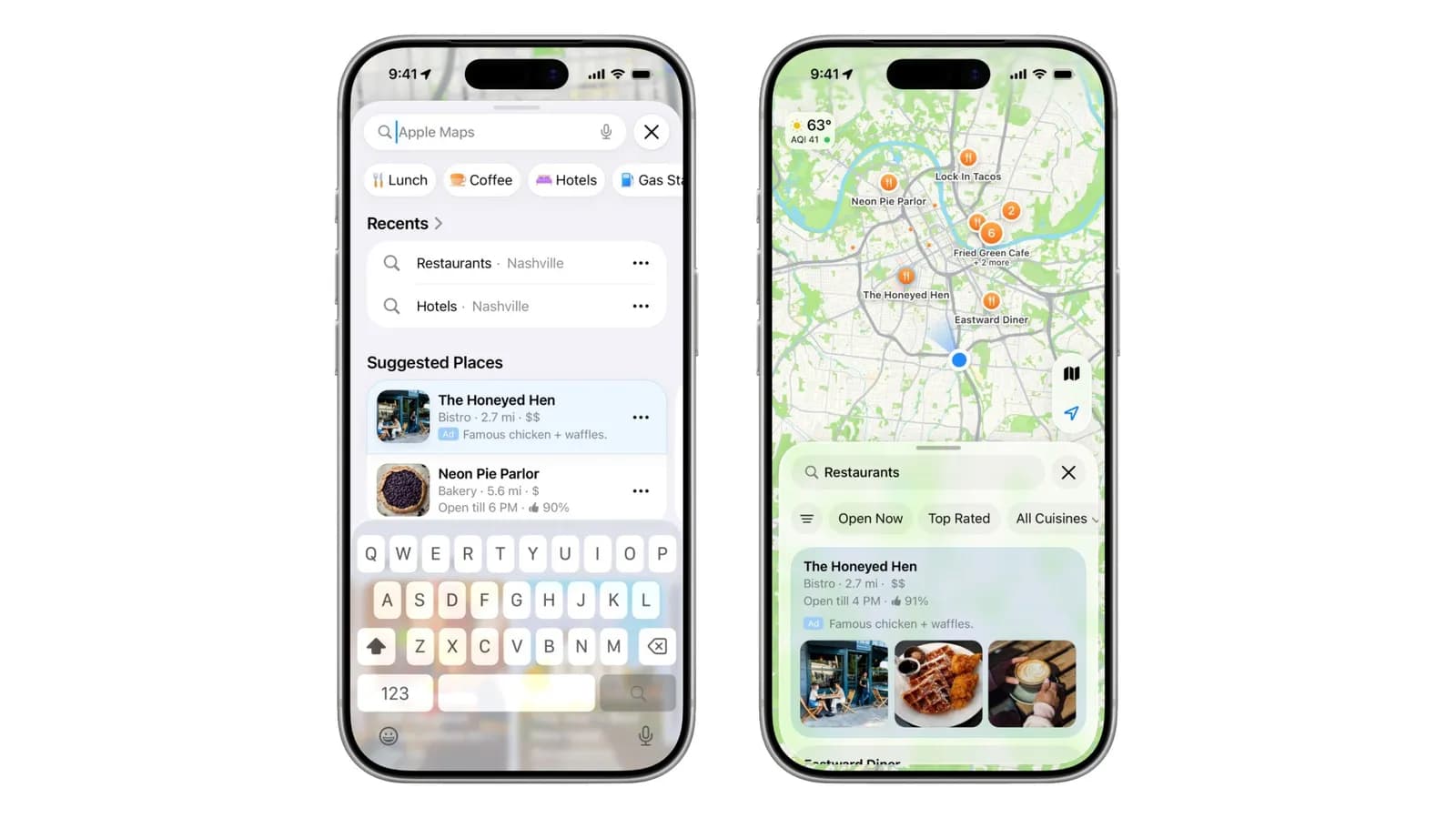
Apple is reportedly restricting home service providers from buying ad space on Apple Maps, a strategic move aimed at preserving user experience and avoiding the rampant spam that plagues local search competitors.

A satirical puppet's critique of Big Tech highlights a growing cultural exhaustion with smartphones and algorithmic dating, challenging developers to rethink the ethics of the attention economy.
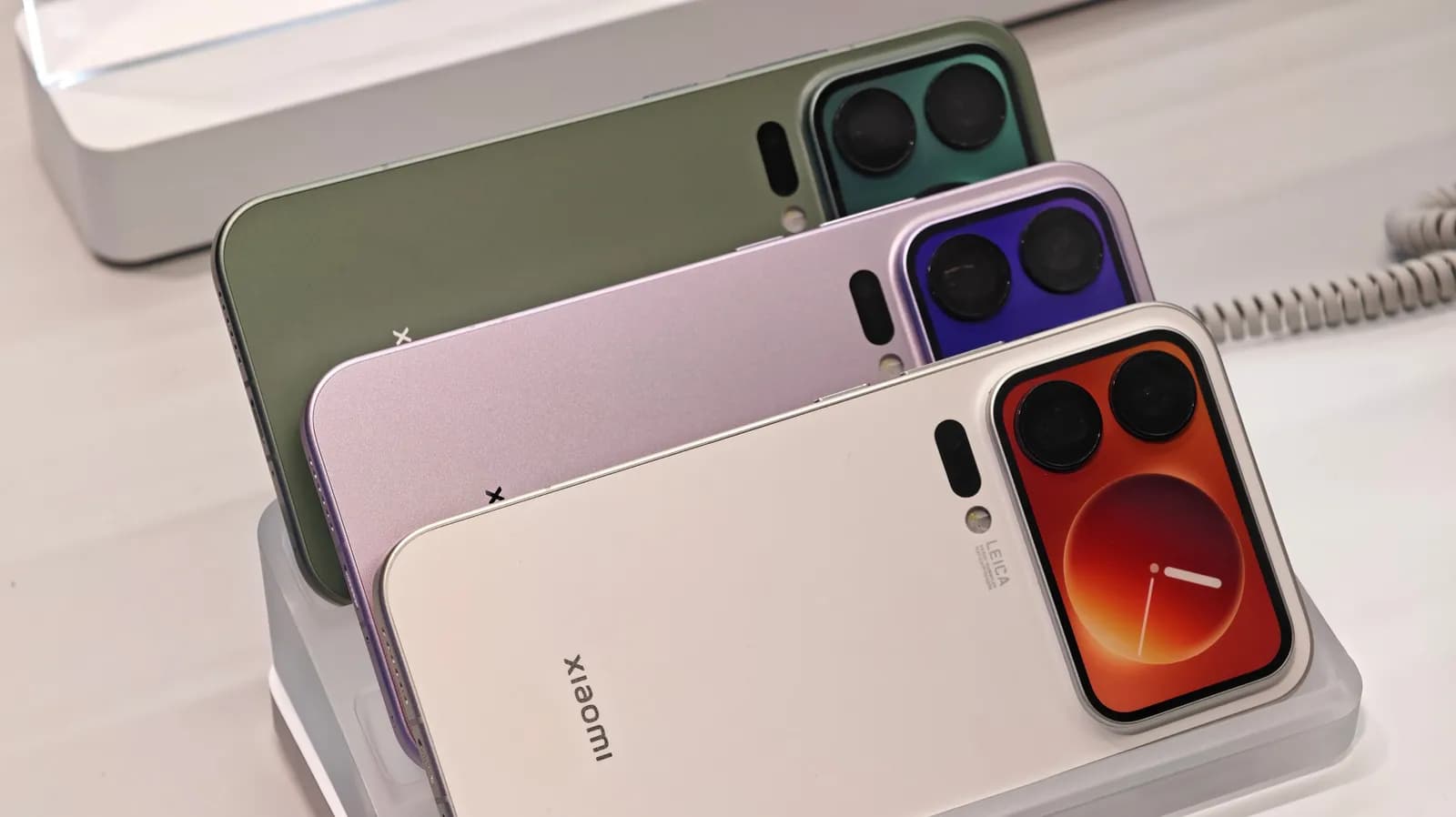
Despite being legally permitted to operate in the United States, global smartphone giant Xiaomi chooses to stay away. Here is an in-depth look at the carrier barriers, patent risks, and strategic decisions keeping their devices off American shelves.