
Decoding Apple’s Next-Gen Audio and Ambient Siri AI Integration

Introduction to the Living Room AI Push
For years, the intersection of ambient home computing and artificial intelligence has remained a primary frontier for major technology companies. While smartphones and personal computers have traditionally served as the primary battlegrounds for software ecosystems, the living room and kitchen represent uniquely intimate spaces where ambient intelligence can either feel magical or intrusive. Apple's latest hardware iterations—focusing on refined audio capabilities paired with deeper Siri integration—signal a deliberate push to make voice and sound processing more cohesive, localized, and contextually aware for everyday users.
As developers and tech enthusiasts observe how hardware boundaries continue to blur with software intelligence, these updates offer a fascinating glimpse into Apple’s broader hardware-software strategy. Rather than introducing radically disruptive form factors, the focus centers on compounding incremental improvements: better acoustic tuning, tighter ecosystem synergy, and a modernized approach to conversational interfaces that operate natively within the home.
The Evolution of Hardware-Driven Acoustic Design
At the core of Apple’s audio-first strategy lies a continuous refinement of computational audio. Modern smart speakers and media streamers are no longer judged merely by their raw physical drivers or amplifier specifications. Instead, they rely heavily on real-time signal processing, environmental acoustic mapping, and adaptive equalization to tailor sound output to the specific geometry of a room. This approach democratizes high-fidelity sound, ensuring that media consumption remains optimal regardless of speaker placement or room materials.
By leveraging custom silicon designed specifically for edge processing, these devices analyze audio streams and environmental feedback loops instantly. This heavy reliance on on-device compute ensures that acoustic adjustments happen with zero perceptible latency, providing a seamless experience whether a user is streaming a cinematic blockbuster or playing casual background music. For hardware engineers, the challenge has always been packing sophisticated processing power into compact, thermally constrained enclosures without compromising acoustic integrity.
Siri's Transition to Contextual Local Intelligence
The role of voice assistants in the smart home has historically been plagued by limitations in natural language understanding, latency, and cloud dependency. Apple's recent architectural shifts toward localized intelligence aim to mitigate these persistent bottlenecks. By processing more voice commands directly on the device's neural engine, response times improve significantly while user privacy is heavily reinforced.
In the context of a living room device, a responsive and context-aware assistant changes the entire interaction paradigm. Users can issue complex, multi-layered commands without needing rigid syntax structures. Whether searching for specific types of content across fragmented streaming services or managing smart home routines, the underlying models are trained to parse intent more accurately. This evolution transforms Siri from a simple command-line interface into a more natural conversational partner.
Ecosystem Synergy and the Developer Perspective
For the broader developer community, Apple's tighter integration between media playback hardware and intelligent assistants opens up intriguing new API possibilities. As these platforms evolve to support richer media intent handling and ambient automation, developers gain more granular tools to surface their applications within the living room ecosystem. Building applications that can natively hook into localized voice commands and spatial audio environments requires a shift in how software engineers conceptualize user experience.
Furthermore, the convergence of audio processing frameworks and machine learning libraries means that third-party media and home automation apps can tap into sophisticated system-level capabilities with minimal boilerplate code. Developers no longer need to reinvent the wheel when it comes to spatial sound rendering or voice recognition parsing; instead, they can rely on robust, hardware-accelerated system APIs to deliver premium experiences.
Balancing Privacy and Ambient Capabilities
One of the most delicate challenges in designing always-listening or ambient home technology is maintaining user trust. Cloud-based voice processing models have frequently drawn scrutiny regarding data retention, user profiling, and potential vulnerabilities. Apple’s ongoing commitment to edge computing and differential privacy serves as a core differentiator in this space, prioritizing local execution wherever feasible.
By ensuring that voice data and acoustic profiling remain on the local device rather than being continuously streamed to remote servers, the architectural risk surface diminishes substantially. For consumers, this transparency is increasingly becoming a baseline requirement rather than an optional bonus. As smart home technologies become more deeply embedded in daily routines, the industry must continue to balance convenience with uncompromising privacy standards.
Looking Ahead: The Future of Ambient Computing
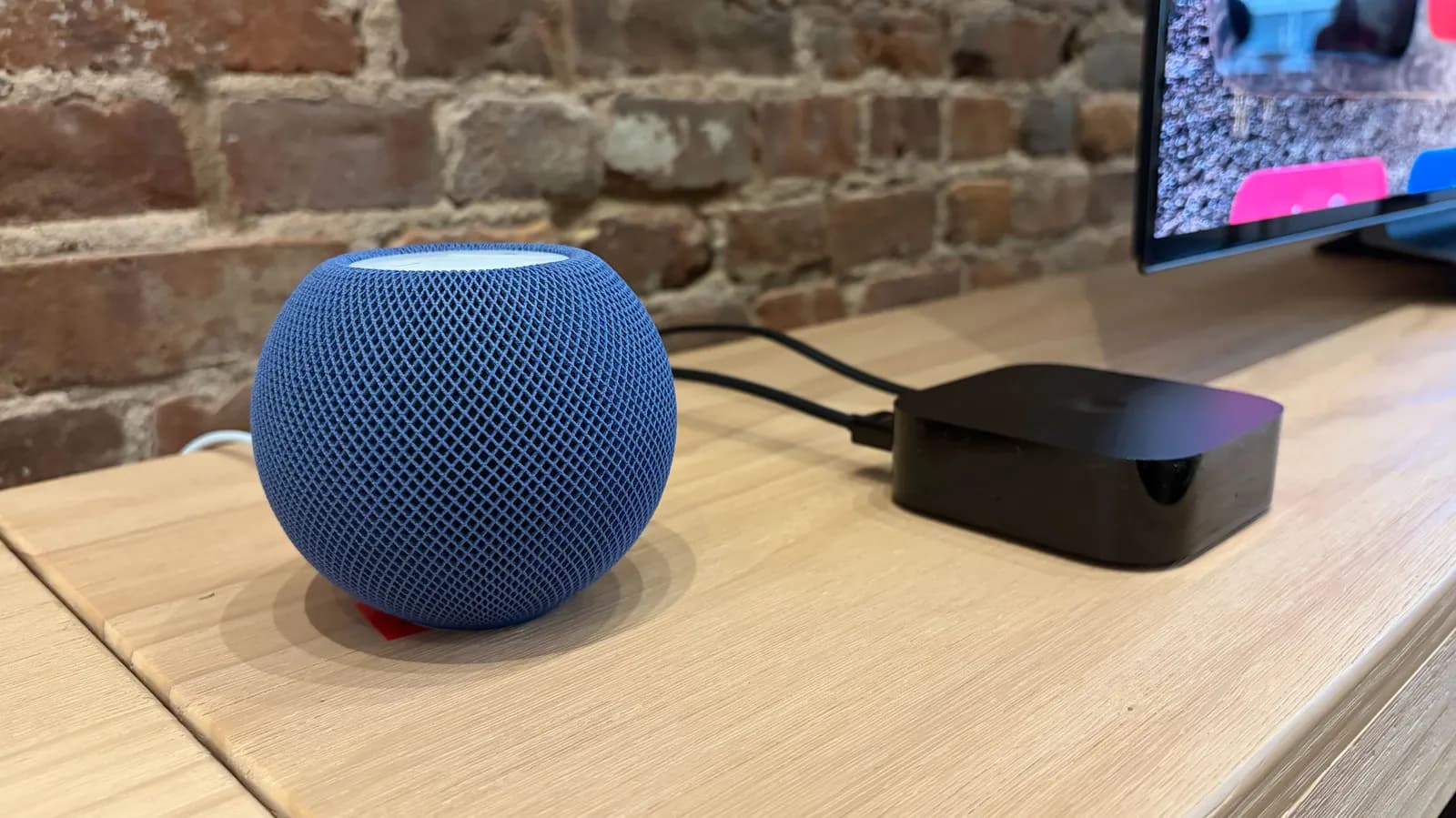
The continuous refinement of devices like the Apple TV 4K and the HomePod mini lineup illustrates a mature phase in consumer technology development. Rather than chasing fleeting trends, the industry is focusing on perfecting the fundamentals: superior audio fidelity, faster and more reliable local AI, and frictionless multi-device synchronization. These iterative updates lay the groundwork for a more intuitive, less intrusive technological footprint in the home.
Ultimately, the success of these ambient systems will be measured by how seamlessly they fade into the background of daily life. When hardware and software work in quiet, efficient harmony, technology stops feeling like a tool that requires constant attention and starts feeling like a natural extension of the living environment. For developers and hardware architects alike, mastering this balance remains the ultimate design objective.
Source: engadget.com