
Engineering for Safety: Inside Tesla's Emergency Supercharger Breakaway Feature

The Intersection of Physical Infrastructure and Emergency Response
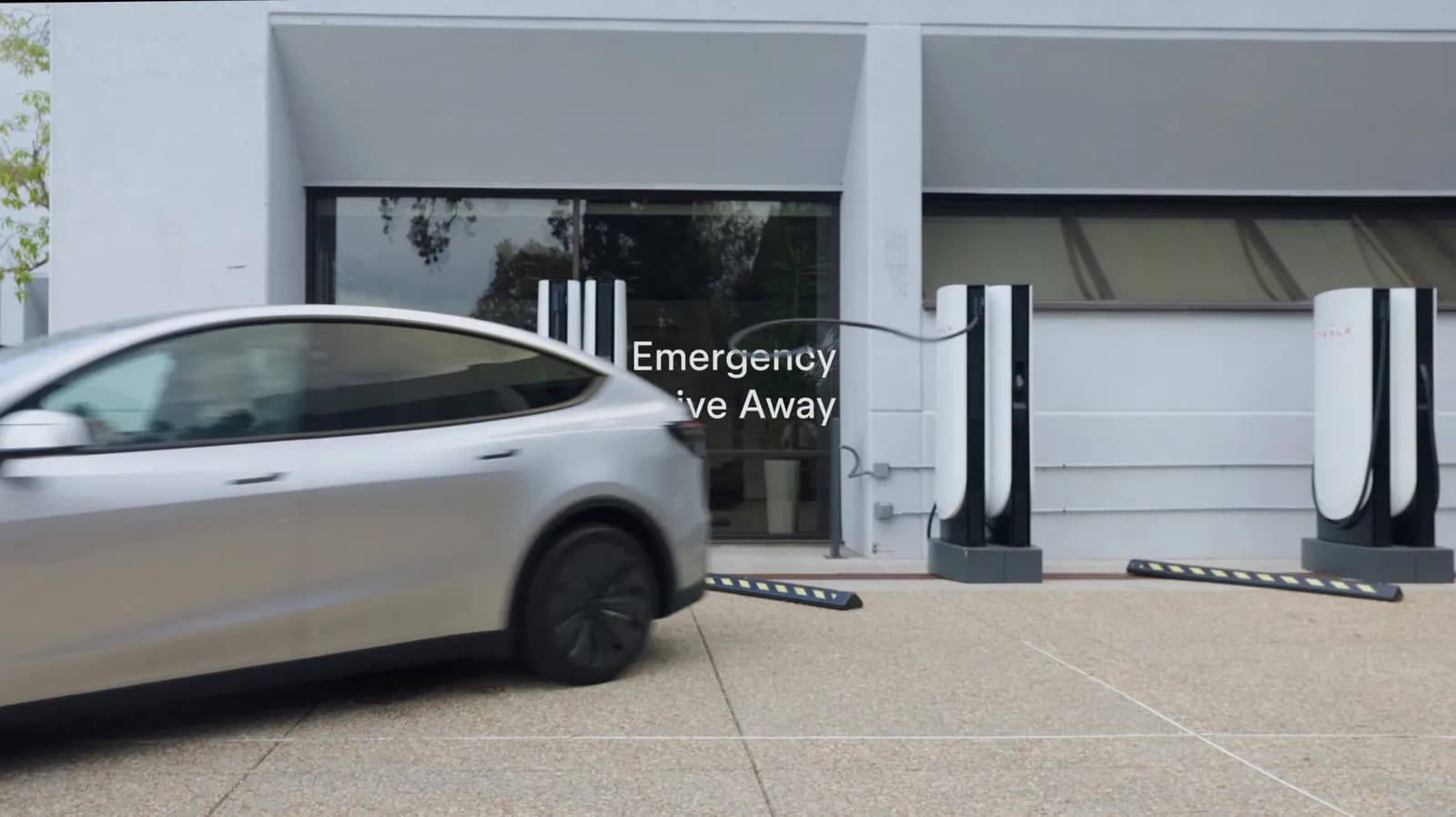
Modern electric vehicle charging networks are marvels of electrical engineering, heavy-duty industrial design, and distributed software systems. Yet, as EVs become a permanent fixture of our daily transportation landscape, the physical infrastructure surrounding them occasionally intersects with unpredictable real-world scenarios. Tesla has recently begun rolling out an innovative firmware update designed to address an extreme, highly specific use case: allowing a driver to rapidly disconnect and depart from a Supercharger stall during an active emergency.
While EV chargers are traditionally engineered with multiple mechanical and electrical safeguards to prevent accidental drive-offs—such as locking pins that secure the handle until charging sessions terminate gracefully—these very mechanisms can inadvertently trap a driver in a vulnerable situation. This new emergency feature represents a fascinating shift in how connected hardware must balance routine operational safety with rapid, crisis-driven flexibility.
How Tesla's Rapid Disconnect Protocol Works
Under normal operating conditions, a Tesla vehicle communicates continuously with the Supercharger cabinet via a CAN bus or similar protocol, ensuring that high-voltage current flows only when the handshake is authenticated and the latch is physically engaged. The locking pin inside the charge port prevents anyone from yanking the cable out under load, which avoids dangerous electrical arcing and severe equipment damage.
The emergency drive-away capability modifies this strict software-and-hardware lock hierarchy. By triggering a specific command within the vehicle's interface during a critical situation, the onboard computer can instantly command the latch to retract and, crucially, signal the charging station to instantly cut high-voltage power at the hardware level. This ensures that even if the physical cable is wrenched away while residual current might theoretically be present, the architecture prioritizes human safety over equipment preservation, preventing catastrophic electrical hazards.
The Engineering Challenge: Balancing Safety Interlocks
For systems engineers working on high-voltage architecture, designing a "breakaway" function without compromising daily reliability is a formidable challenge. EV charging cables are heavy, thick copper conduits capable of delivering hundreds of kilowatts of power. They are built to withstand heavy mechanical stress, weather, and millions of plug-and-unplug cycles by everyday consumers.
Introducing a feature that permits forceful removal under extreme stress requires meticulous fail-safe design. The software must differentiate between a confused user trying to yank a stuck handle out of frustration and a genuine emergency requiring an override of the locking mechanisms. False triggers could lead to premature wear, damaged charge ports, or dangerous electrical faults. Consequently, the user experience for activating this feature must be deliberate enough to prevent accidents, yet fast enough to be executed in seconds under high-stress conditions.
Physical Security at Public Charging Stations
The impetus behind this feature highlights a growing conversation around the physical security of public charging infrastructure. Unlike traditional gas stations, which are typically well-lit, staffed, and situated directly alongside busy convenience stores, many EV charging depots are placed in remote corners of large parking lots, industrial parks, or highway off-ramps to optimize grid access and real estate costs.
Because charging an EV takes significantly longer than pumping gas—ranging from fifteen minutes to nearly an hour—drivers spend more stationary time inside or near their vehicles in semi-isolated environments. This spatial and temporal reality exposes motorists to unique security vulnerabilities. By deploying an emergency drive-away mechanism, automotive software engineers are acknowledging that modern vehicles are rolling computers operating in an unpredictable physical world, and software must adapt to protect occupants from threats outside the digital realm.
The Broader Implications for Connected Mobility
This update serves as a compelling case study in the power and responsibility of Over-The-Air (OTA) updates in modern automotive engineering. A decade ago, addressing a physical infrastructure vulnerability like this would have required a massive, costly physical recall to swap out charge port actuators or rewrite controller firmware via physical diagnostic ports at service centers.
Today, a software update can fundamentally alter how a vehicle interacts with its physical environment, redefining the limits of safety equipment overnight. As software continues to eat the automotive industry, developers are increasingly tasked with bridging the gap between rigid mechanical laws and agile digital logic. The ability to push critical safety patches directly to millions of vehicles parked globally demonstrates the immense leverage—and the profound duty of care—held by modern software engineering teams.
Looking Ahead: Anticipating Real-World Edge Cases
As the electric vehicle transition accelerates globally, edge cases that were once thought too rare to engineer for are inevitably coming to light. The introduction of emergency disconnect capabilities points toward a future where automotive software engineers must increasingly consider hostile or high-stress environments during the design phase of physical hardware.
Moving forward, we can expect automakers to place even greater emphasis on cross-functional safety engineering, blending cybersecurity, physical tamper resistance, and rapid emergency response protocols into a cohesive user experience. Tesla's new feature may have been born out of an unfortunate necessity, but it establishes an important precedent for how the industry must evolve to keep drivers safe, both on the road and plugged into the grid.
Final Thoughts
Software development in the automotive sector has moved far beyond infotainment systems and navigation menus. It now directly dictates how physical machines interact with the world and protect their users in moments of crisis. By engineering a smart, secure override for the humble charging cable, Tesla has underscored the reality that in modern engineering, software is ultimately a tool for human safety.
Source: engadget.com