Tesla's Cybercab Strategy: Inside the Push for Autonomous Fleet Sales
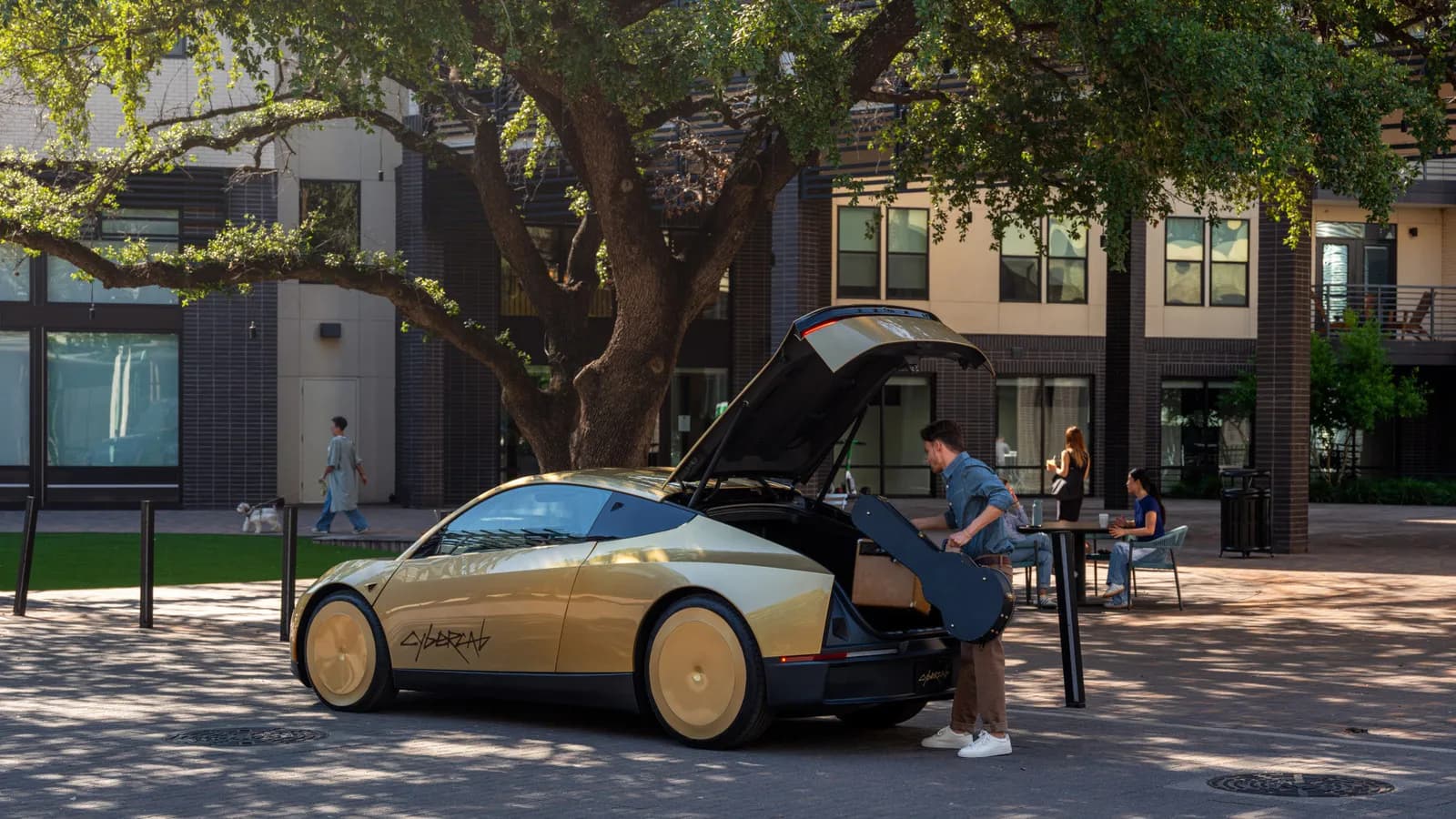
Tesla aims to begin selling its purpose-built Cybercab autonomous vehicles to external transport companies before the conclusion of the year, signaling a major strategic pivot.
Tesla aims to begin selling its purpose-built Cybercab autonomous vehicles to external transport companies before the conclusion of the year, signaling a major strategic pivot.
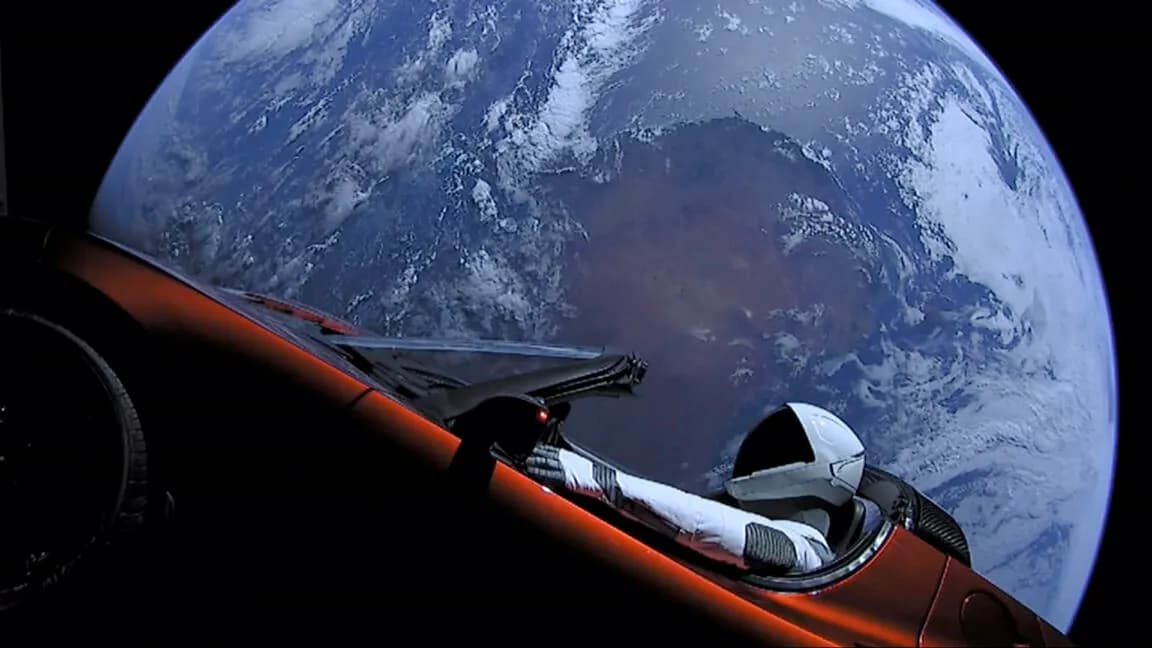
Elon Musk's suggestion to combine SpaceX and Tesla raises intriguing engineering, manufacturing, and software integration questions for developers and technologists.

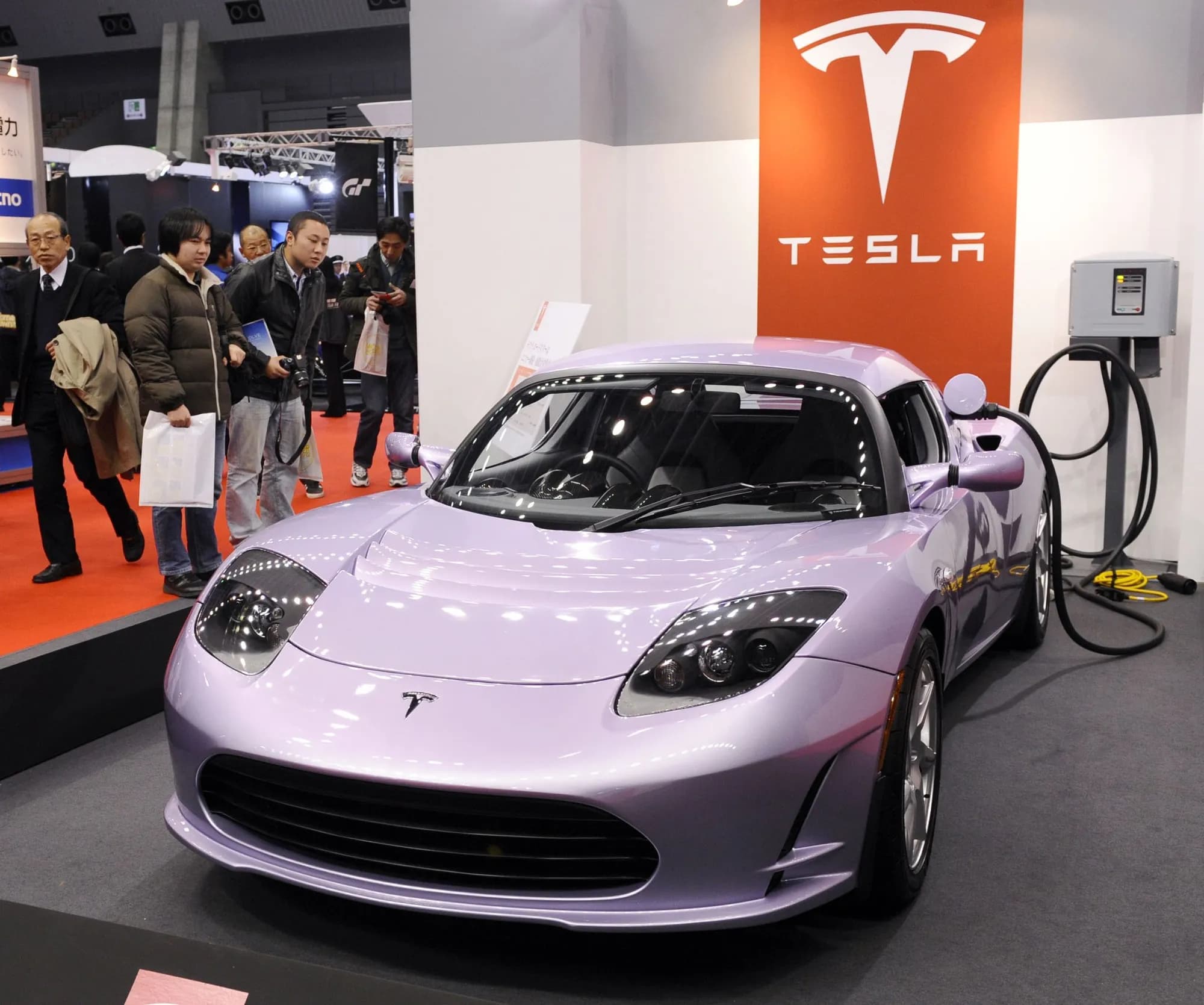
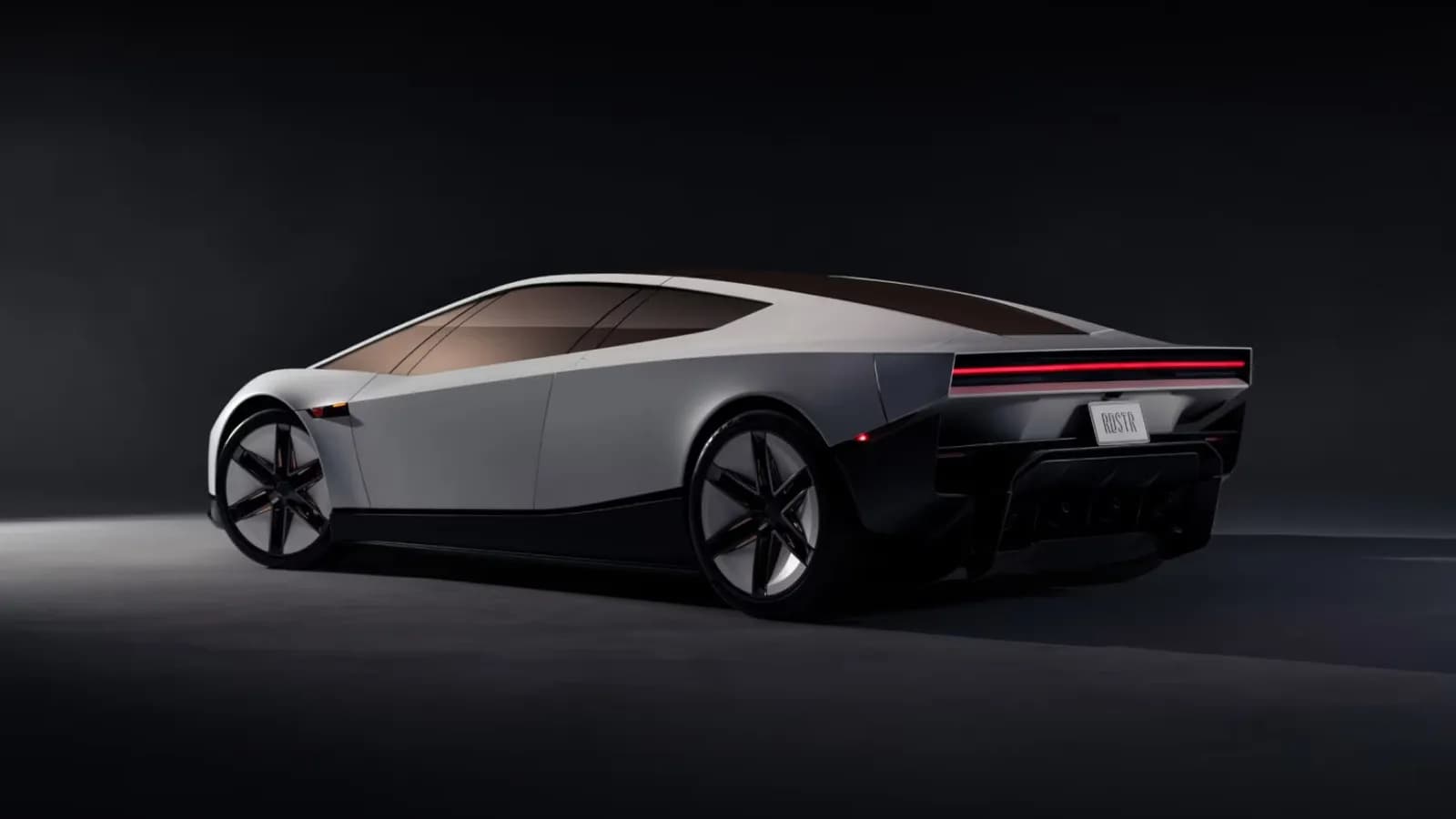
Tesla's long-delayed next-generation Roadster is banking on aerospace-grade cold gas thruster technology to achieve unprecedented performance milestones.

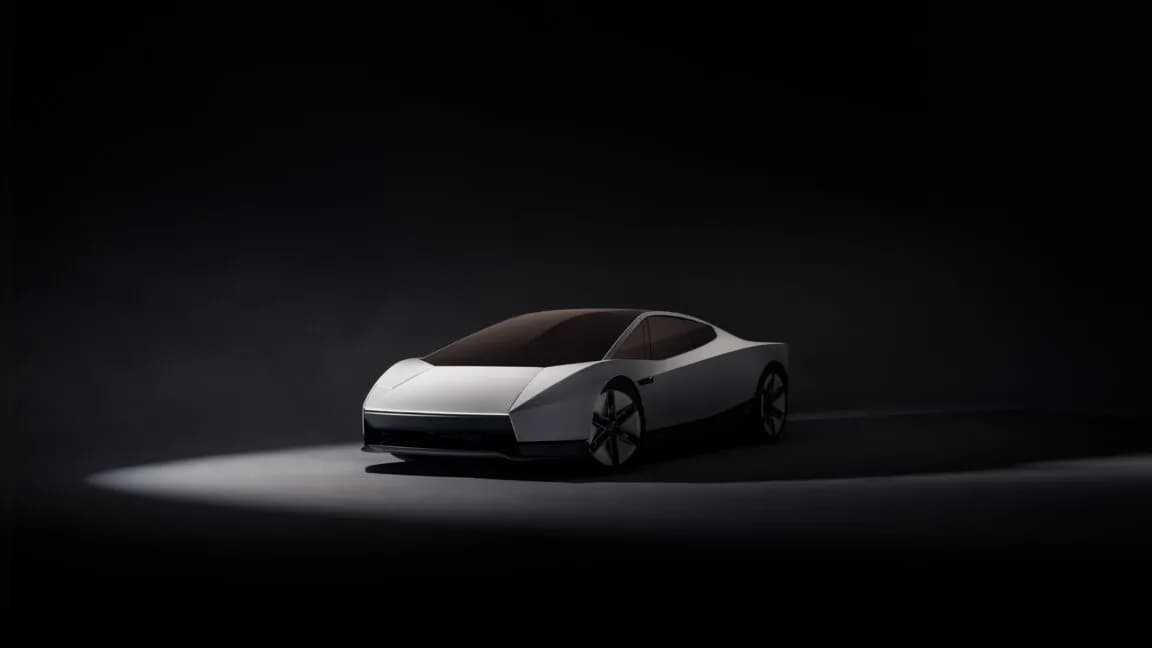
Tesla's redesigned Roadster promises staggering performance specs, including an optional cold-gas thruster package derived from SpaceX technology, aimed at redefining electric vehicle boundaries.

Nearly a decade after its dramatic unveiling, Tesla's second-generation Roadster prepares for release into an electric vehicle sector defined by intense competition and evolving engineering priorities.

Tesla has quietly updated the naming convention for its advanced driver assistance features in Europe, shifting away from marketing monikers that regulators argue misrepresent the true capabilities of the technology.

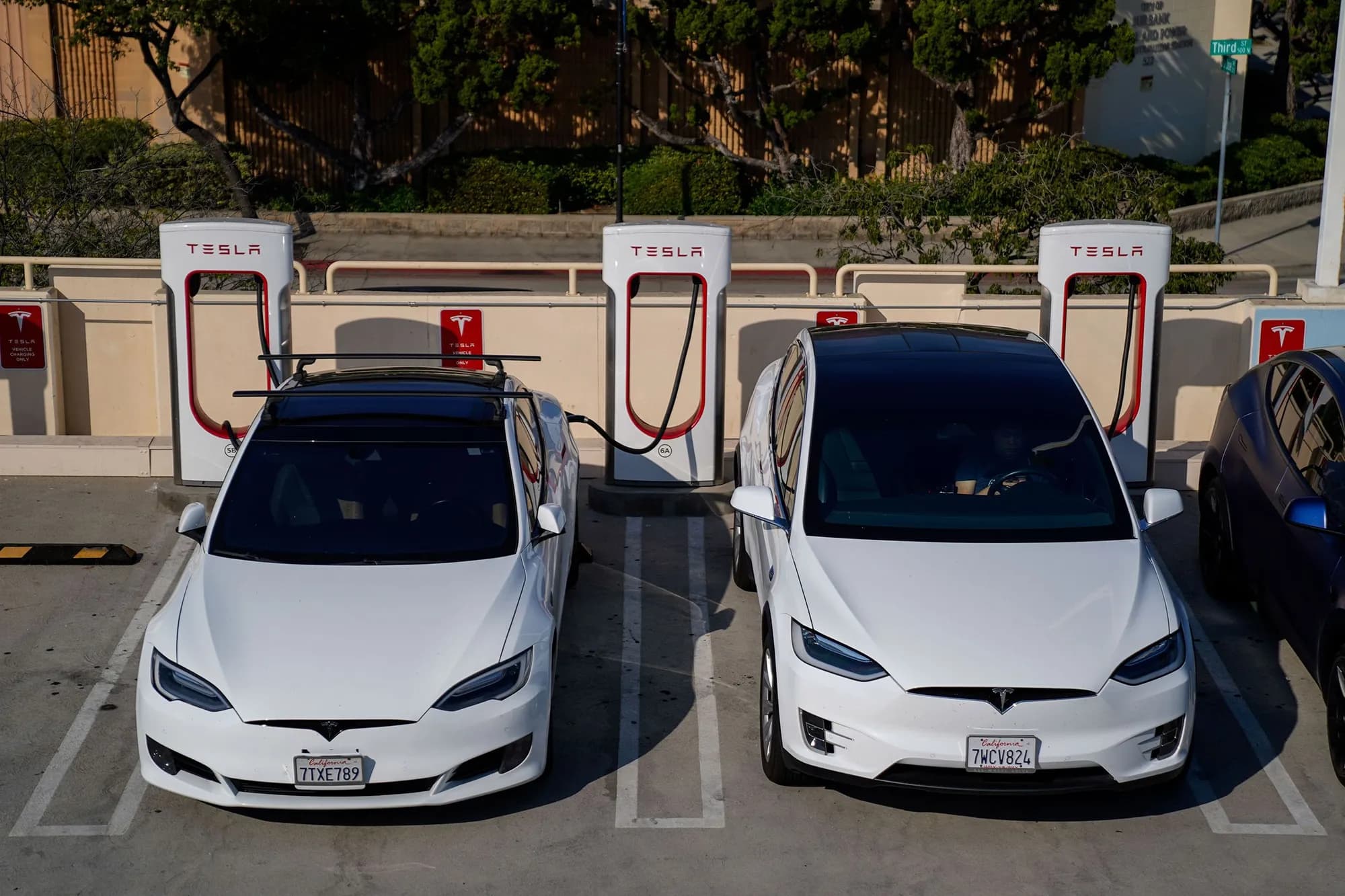
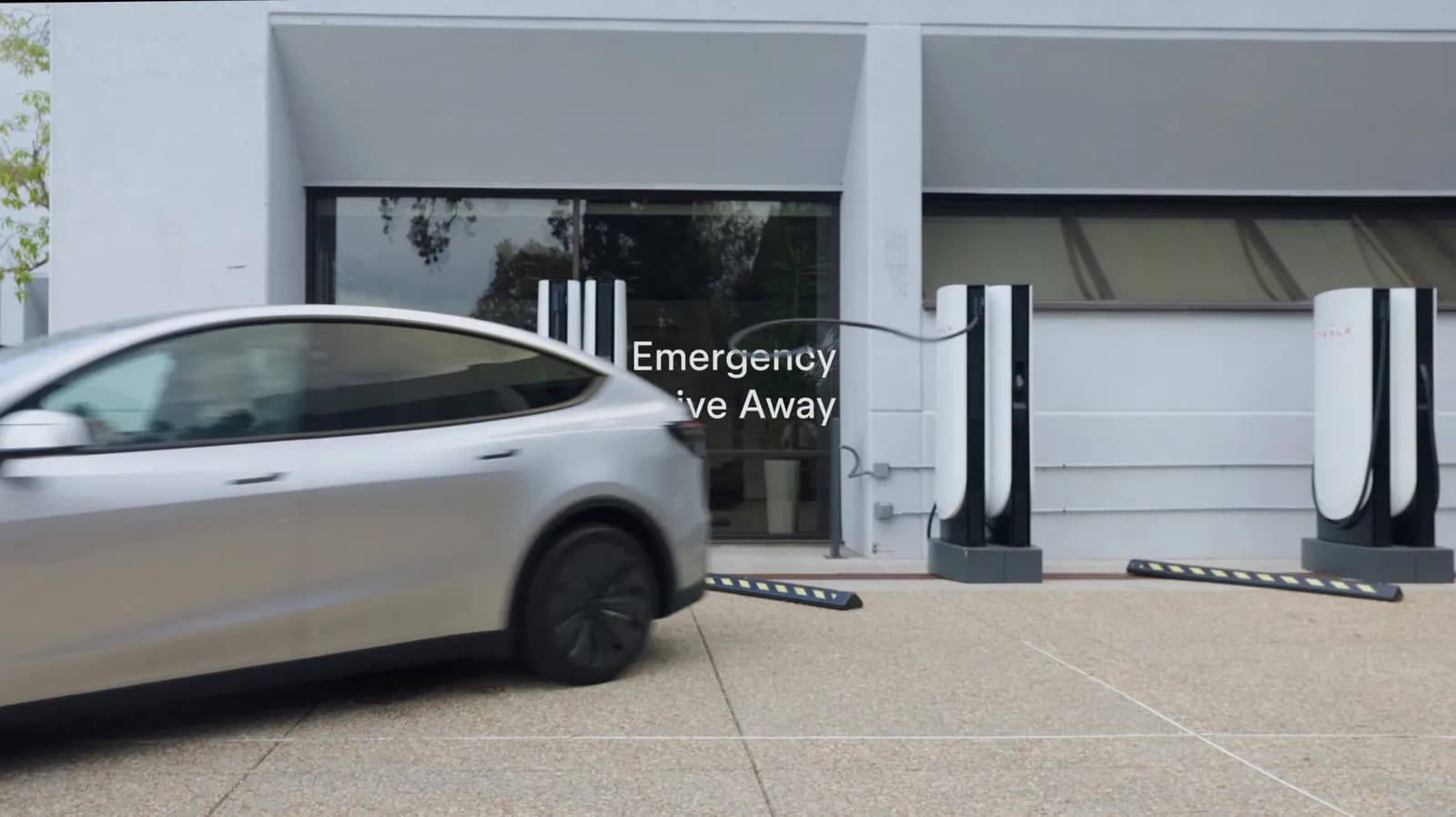
Tesla introduces a software-driven emergency drive-away feature for its Supercharger network, designed to mitigate safety risks during active threats.

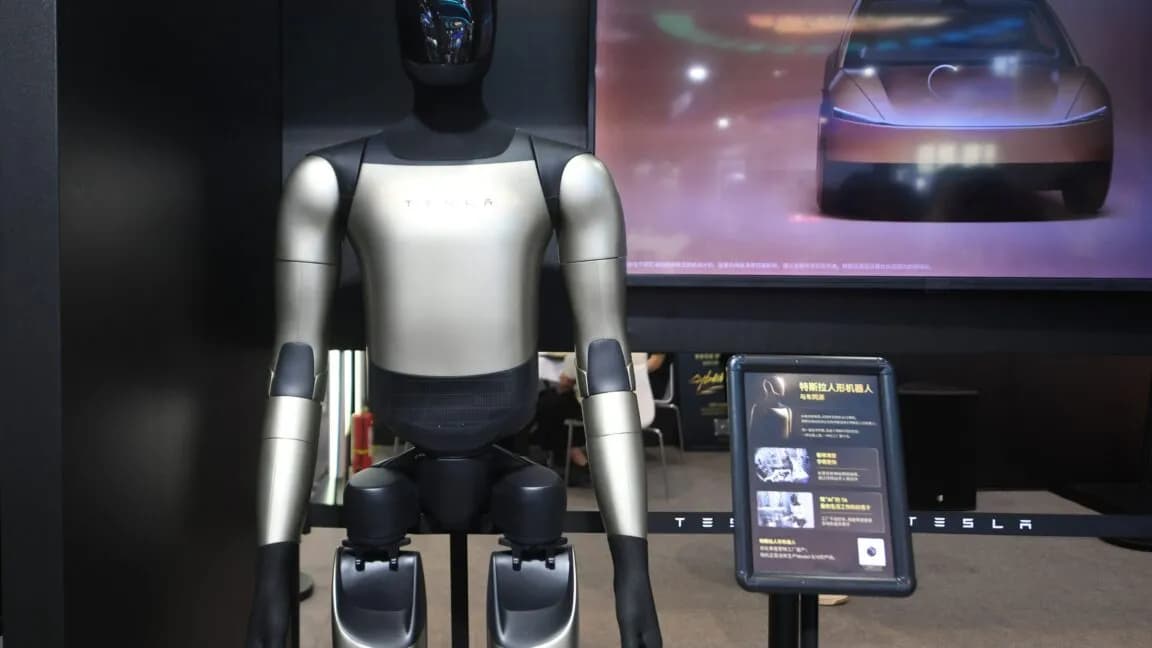
Tesla workers are reportedly pushing back against data collection efforts to train the Optimus humanoid robot, highlighting the complex human and labor dynamics behind modern robotics.

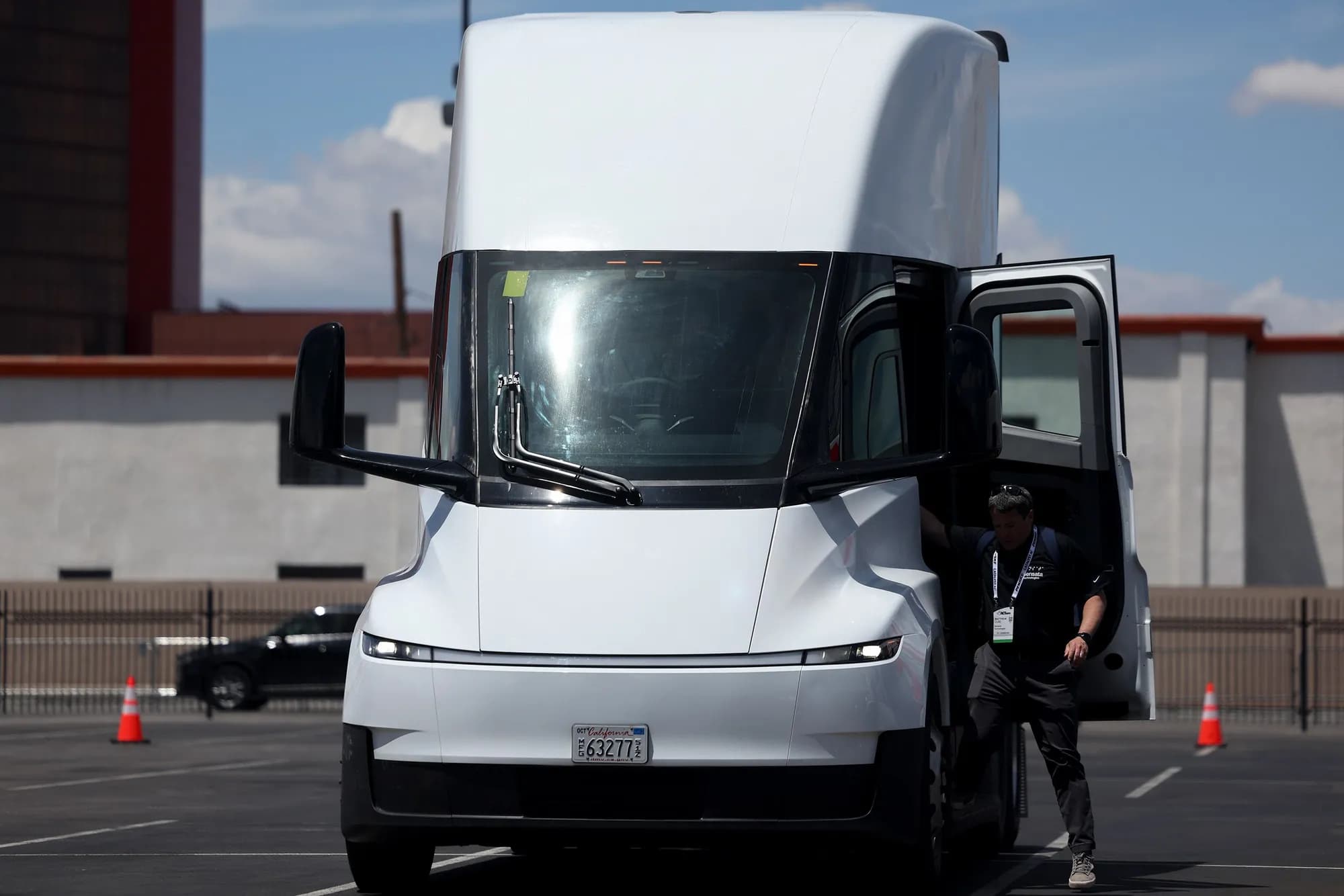
Nearly a decade after its initial unveiling, the Tesla Semi has finally arrived, marking a monumental shift for the heavy-duty commercial transport and clean energy sectors.