
Tesla's Next-Gen Roadster Marries High-Performance EVs with Aerospace Engineering

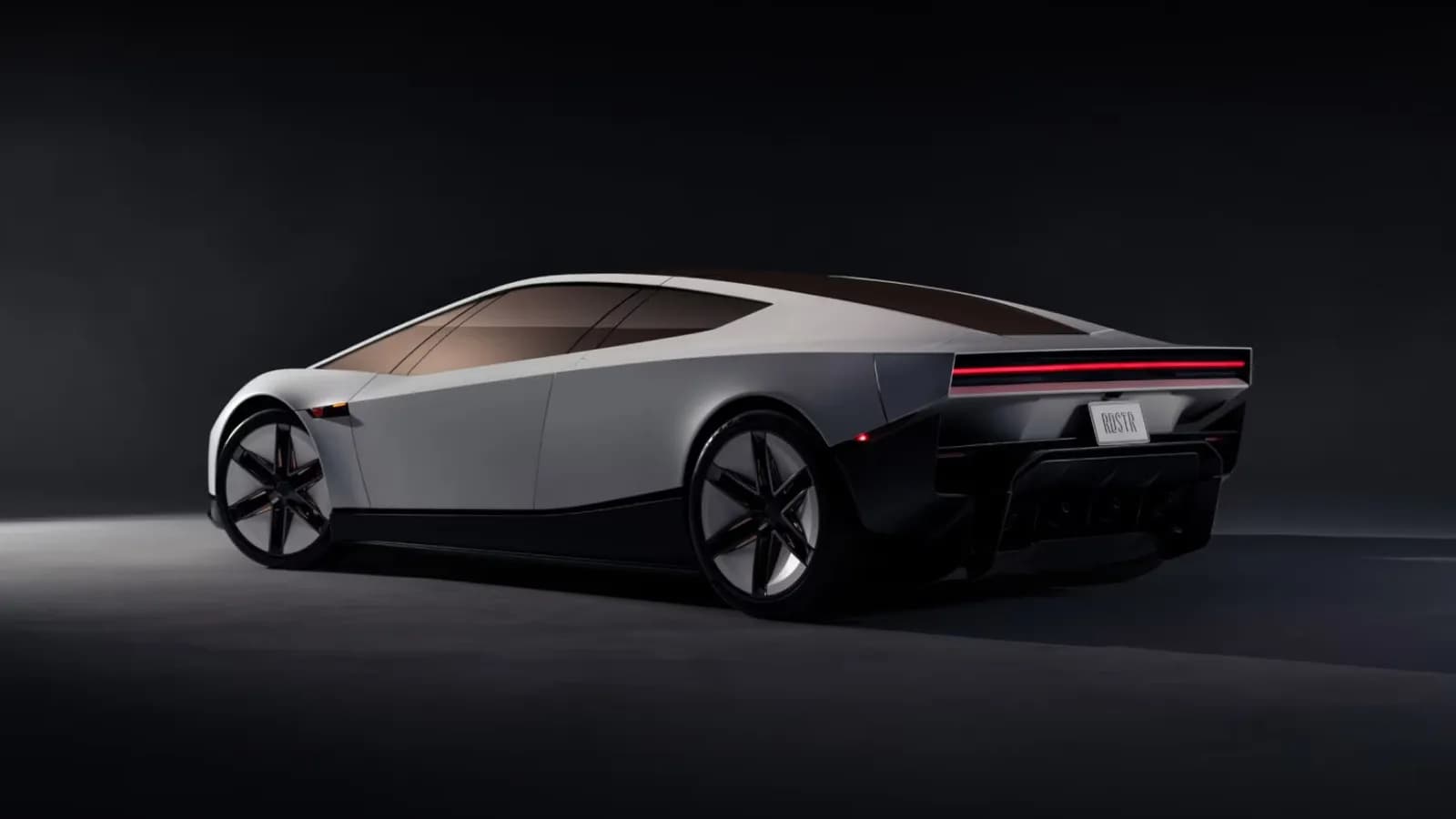
Bridging the Gap Between Automotive and Aerospace
For years, the automotive industry has watched electric vehicle performance evolve from a novelty into a dominant force in modern transportation. Yet, pushing past the threshold of standard hypercar metrics requires entering uncharted territory. Tesla's decision to integrate aerospace concepts into its upcoming Roadster platform represents a fascinating intersection of battery-electric vehicle architecture and rocket science, signaling a shift in how engineers approach vehicular acceleration and handling.
By drawing direct inspiration from SpaceX technology, the engineering team behind the new Roadster has bypassed conventional pneumatic and mechanical limitations. This cross-pollination of industries highlights a growing trend where automotive innovation increasingly borrows from aerospace methodologies, challenging preconceived notions of what consumer-facing hardware can achieve on public roads and closed tracks alike.
The Mechanics of Cold-Gas Thrusters
At the center of the buzz surrounding the redesigned Roadster is the optional cold-gas thruster system, a feature rarely, if ever, seen on production passenger cars. Unlike traditional combustion engines or even electric motors that rely strictly on tire-to-surface friction to generate momentum and directional changes, cold-gas thrusters utilize compressed gas expelled through specialized nozzles to exert physical force.
In practice, integrating this technology into an electric platform opens up radical possibilities for vehicle dynamics. While tire traction inherently limits traditional cornering, braking, and acceleration, external thrusters can theoretically supplement these forces. This setup allows for instantaneous adjustments to trajectory and stability, operating independently of road grip conditions and fundamentally altering how a vehicle interacts with its environment.
A Six-Figure Commitment to High-End Engineering
Pushing the envelope of physical performance comes with a substantial financial barrier. Securing a spot in line for the redesigned Roadster requires a significant upfront investment, with reservation costs scaling up to a quarter of a million dollars for base commitments and even higher for exclusive packages. This high price point positions the vehicle firmly in the ultra-luxury hypercar tier, making it more of an aspirational collector's item than a mainstream transportation solution.
Despite the steep cost, the strategy taps into a dedicated market of early adopters and high-net-worth enthusiasts who are willing to finance bleeding-edge research and development. These upfront capital contributions help fund the complex engineering required to bring unconventional features like cold-gas thrusters from theoretical concepts into street-legal prototypes, effectively subsidizing future trickle-down advancements.
Engineering Challenges and Safety Considerations
Deploying aerospace technology on a consumer vehicle introduces a staggering array of engineering hurdles. Managing the packaging, weight distribution, and pressure vessels required for a cold-gas thruster system within the constraints of a sleek, aerodynamic coupe body is no small feat. Engineers must carefully balance the added mass of the system against the performance gains it provides, ensuring that the vehicle remains efficient and safe under extreme loads.
Furthermore, regulatory compliance and safety protocols present massive roadblocks. Operating compressed gas systems near the general public requires extensive failsafes, rigorous testing, and approval from transportation authorities. Ensuring that the system cannot be triggered accidentally—and that it behaves predictably during unexpected maneuvers—demands sophisticated software control loops and failsafe hardware redundancy.
Implications for the Broader Automotive and Tech Ecosystem
While very few drivers will ever experience the cold-gas thruster option firsthand, the trickle-down effect of developing such extreme systems often benefits the broader technological ecosystem. The advanced battery management, thermal regulation, and high-output inverter architectures developed for the Roadster routinely find their way into more affordable, mass-market electric vehicles over time.
Moreover, the software algorithms required to coordinate instantaneous propulsion from multiple unconventional sources push the boundaries of vehicle control units. As electric vehicles continue to evolve into software-defined machines, the hardware integration lessons learned from ambitious halo projects lay the groundwork for smarter, more adaptable mobility platforms across the entire industry.
Looking Ahead at the Future of Extreme Performance
The unveiling of the redesigned Roadster marks a bold statement of intent for the future of high-performance electric vehicles. By refusing to conform to traditional automotive paradigms, the project forces both competitors and enthusiasts to rethink the physical boundaries of acceleration, braking, and agility.
As development progresses toward eventual production, the automotive world will be watching closely to see whether these ambitious aerospace-inspired features successfully make the leap from concept to reality. Regardless of how many units ultimately roll off the line, the vehicle serves as a powerful reminder of how cross-disciplinary engineering continues to redefine the limits of modern technology.
Source: engadget.com