
The Long Road to Roadster 2: Engineering Ambition in an Evolving EV Landscape

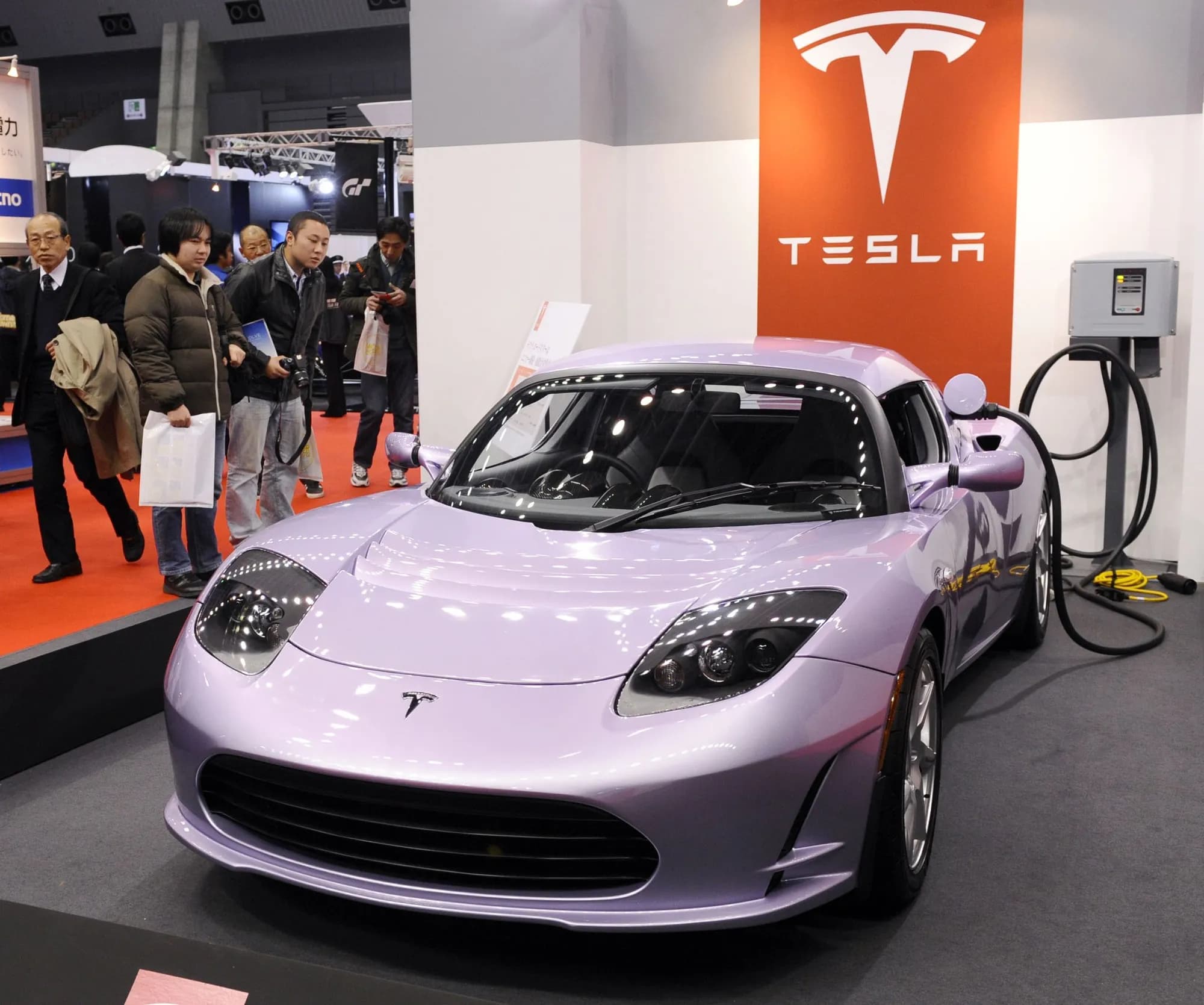
When Tesla first revealed the second-generation Roadster nearly a decade ago, the electric vehicle landscape looked fundamentally different from the one that exists today. At the time of its initial teaser, electric hypercars were widely viewed as essential halo products—compelling proof-of-concept machines capable of shattering conventional performance records and convincing a skeptical automotive public that battery electric propulsion could comfortably eclipse internal combustion engines. Today, the overdue halo car is poised to arrive in an entirely transformed market where pure straight-line acceleration is no longer a rare novelty, and consumer and engineering focus has pivoted heavily toward software-defined architectures, battery chemistry efficiency, and practical autonomy.
The Long Hiatus and the Evolution of Hypercar Engineering
The journey of the Roadster 2 has been defined by repeated delays, shifting technical promises, and changing corporate priorities. In the intervening years since its unveiling, the automotive world witnessed massive strides in electric propulsion. Legacy automakers and agile performance startups alike have developed multi-motor setups, advanced torque vectoring systems, and bespoke silicon carbide inverters capable of delivering staggering zero-to-sixty times under two seconds. What was once considered an unattainable engineering benchmark for production passenger cars has gradually become accessible across high-end consumer sedans and utility vehicles.
As a consequence, the technical hurdle for the Roadster is substantially higher than when blueprints were first drafted. Building an ultra-high-performance EV in today's environment is no longer just about packing maximum instantaneous kilowatt output into an aerodynamic chassis. Engineers now grapple with diminishing returns on raw acceleration, thermal degradation under sustained track conditions, and the severe mass penalties associated with high-capacity battery packs. The core question facing high-performance electric engineering has transitioned from 'how fast can it launch?' to 'how dynamically and repeatedly can it perform?'
Shifting Market Realities for Ultra-Premium EVs
Beyond the technical hurdles, the broader commercial landscape for high-ticket electric halo vehicles has cooled significantly. Early EV adoption was driven by tech enthusiasts, early adopters, and affluent collectors eager to showcase cutting-edge clean technology. In current macroeconomic conditions, however, the exotic segment faces distinct headwinds. High capital expenditure in research and development does not always translate into sustainable margins when unit volumes are inherently constrained to limited runs.
Furthermore, consumer sentiment surrounding boutique electric supercars has grown increasingly discerning. Enthusiasts have voiced concerns over emotional engagement, noting that without the mechanical acoustics and tactile feedback of traditional combustion drivetrains, distinct electric sports cars can sometimes feel uniform in their power delivery. For Tesla, distinguishing the Roadster requires more than just numbers on a spec sheet; it demands a distinct driving character and unique functional integration that justifies its flagship status above existing performance trims in its current fleet.
Software-Defined Vehicles and Next-Gen Compute Stacks
One of the most consequential shifts during the Roadster’s prolonged development cycle has been the rapid ascendance of software as the primary differentiator in automotive engineering. Modern performance vehicles are increasingly governed by centralized computing platforms that manage everything from real-time traction modulation to predictive suspension dynamics and over-the-air thermal management. The Roadster is expected to serve as a showcase for advanced onboard compute capabilities, integrating real-time telemetry processing and low-latency control loops that bridge the gap between human input and automated vehicle stability.
From an architectural standpoint, managing the physical dynamics of an extreme-performance EV necessitates sophisticated software control algorithms. Millisecond-level adjustments across individual wheel motors provide traction management that mechanical differentials could never achieve, but this places immense demands on software reliability, bus latency, and sensor fusion. For systems engineers and software architects, vehicles of this caliber act as extreme testbeds where algorithms running under extreme physical stress eventually yield insights that filter down into mass-market platform firmware.
Battery Chemistry, Thermal Limits, and the Weight Dilemma
Perhaps the most persistent engineering bottleneck in electric hypercar design remains energy density versus mass. Delivering exceptional range alongside continuous bursts of multi-thousand-horsepower output creates brutal thermal stresses on battery cells. Conventional pouch or cylindrical cells configured for high energy density often struggle to dissipate heat during intense discharge cycles, while high-power cells frequently compromise total driving range.
Over the past several years, improvements in structural battery pack designs, advanced cooling jackets, and alternative cell chemistries have attempted to alleviate this compromise. Nevertheless, hypercars face a fundamental physical challenge: batteries are heavy, and weight is the traditional enemy of handling agility, braking distance, and cornering balance. How modern engineering solves this packaging challenge—balancing aerodynamic requirements, cooling ductwork, and structural battery integration—will serve as a key technical indicator for the next generation of performance hardware across the broader automotive sector.
Industry Repercussions and What Lies Ahead
The impending arrival of a vehicle that spent nearly a decade in conceptual incubation forces the broader technology and mobility industries to reflect on what halo products are truly meant to accomplish. In the early era of commercial EVs, headline-grabbing acceleration was essential to break down public skepticism and secure brand prestige. Today, technological prestige is earned through supply chain resilience, robust and bug-free autonomous systems, reliable fast-charging architectures, and scalable manufacturing techniques.
Whether the second-generation Roadster captures the cultural imagination as forcefully as its initial announcement did will depend heavily on its ability to offer technological breakthroughs beyond sheer speed. As developers, hardware engineers, and industry observers monitor its formal debut, the key metrics of interest will not simply be acceleration times, but breakthroughs in system efficiency, power-to-weight ratios, and the sophistication of its software stack. In an electrified era that has largely mastered straight-line acceleration, the true frontier of automotive technology lies in intelligence, endurance, and cohesive systems engineering.
Source: wired.com