Navigating the Secondhand Mac Market: Why Apple Silicon Changes the Rules

Introduction to the Refurbished Mac Landscape
For budget-conscious developers, students, and professionals alike, the pre-owned and refurbished laptop market has long been a goldmine of value. Buying a machine a generation or two behind the bleeding edge allows users to secure high-end build quality, reliable performance, and robust operating system support without absorbing the steep depreciation hit of a day-one purchase. However, the ecosystem rules have drastically shifted over the past few years. As Apple continues its aggressive march forward with its proprietary custom silicon architecture, evaluating older hardware requires a completely different calculus than it did a decade ago.
Today, finding a bargain Mac isn't just about comparing raw RAM numbers or clock speeds anymore. The dividing line between a smart investment and an expensive electronic paperweight comes down to a single architectural pivot. Understanding how this shift impacts longevity, software compatibility, and day-to-day performance is essential for anyone browsing the secondary market today.
The Intel Exodus: Why Legacy Architecture is a Trap
To understand the current state of used MacBooks, one must first confront the reality of Intel-based hardware. For years, Intel powered the entire Mac lineup, and millions of those machines remain in circulation. On paper, a high-end Core i7 or i9 MacBook Pro from the late 2010s might look tempting when paired with a low price tag and 16GB of RAM. Yet, purchasing one of these machines in the current landscape is increasingly difficult to justify for primary use.
Apple's aggressive transition to its own custom chips means that macOS support for Intel models is rapidly winding down. Furthermore, Intel MacBooks are notoriously plagued by thermal throttling, loud fan noise under load, and drastically inferior battery life compared to modern standards. For developers and power users, running modern containerization tools, virtualization suites, or heavy compilation tasks on an aging x86 Mac translates to a sluggish and frustrating experience.
The Apple Silicon Advantage: Efficiency and Longevity
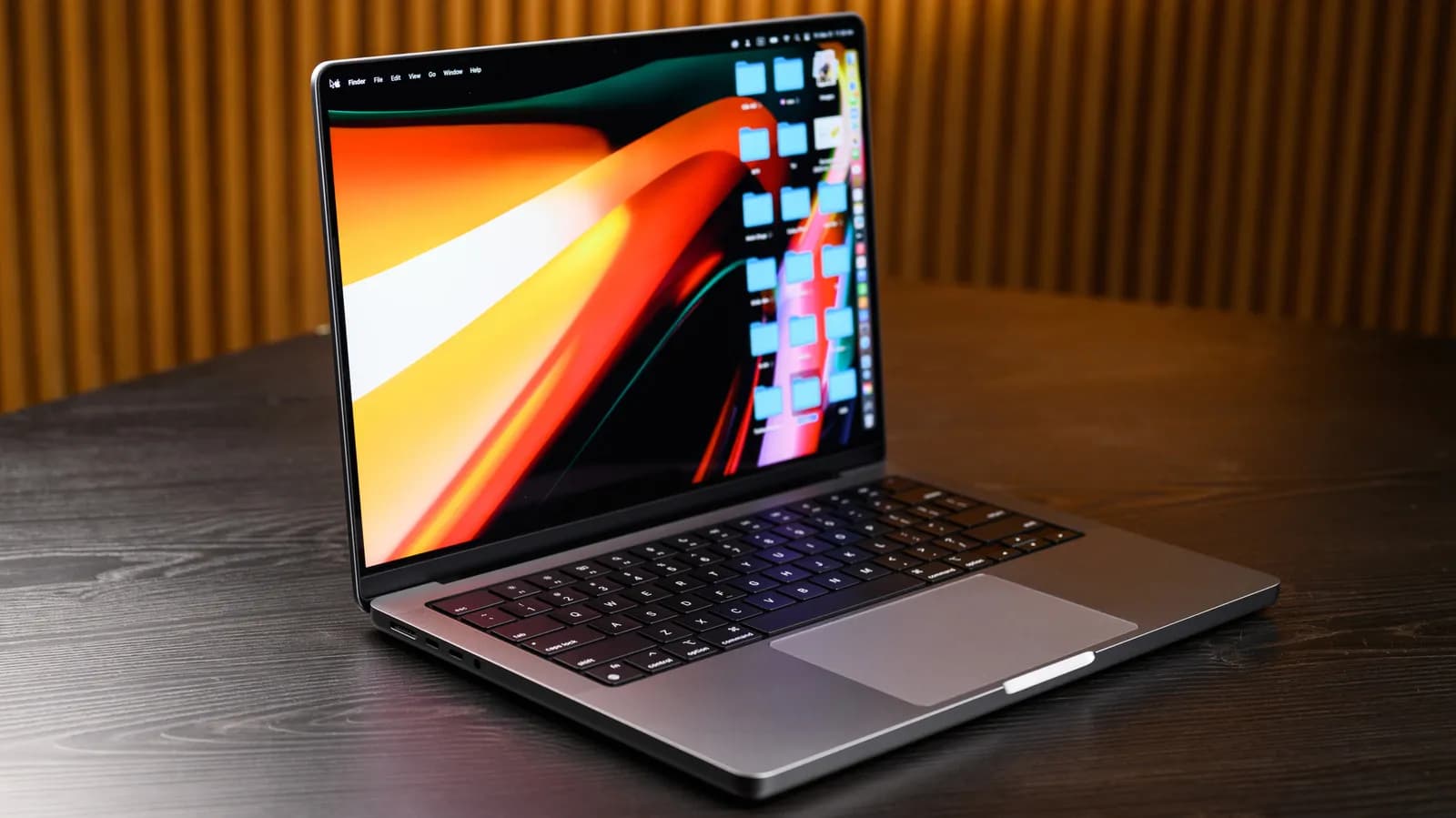
In stark contrast to their Intel predecessors, Apple Silicon models—starting with the M1 chip family—have fundamentally altered device longevity. Because these systems are built on an integrated system-on-a-chip (SoC) design with unified memory architecture, even the base-tier M1 MacBook Air punches well above its weight class. They deliver silent, fanless operation, incredible power efficiency, and battery life that routinely spans a full workday of heavy coding or creative tasks.
Crucially, Apple Silicon has reshaped software optimization across the entire ecosystem. Developers are compiling native binaries for ARM architecture at an unprecedented pace, meaning older M-series machines still run modern IDEs, databases, and creative suites with remarkable fluidity. When buying a used M1 or M2 Mac, you aren't just buying a discounted computer; you are buying into a modern architectural standard that will remain first-class citizens in the software world for years to come.
What to Look For: Navigating Used M-Series Specs
If you are shopping the secondary market for an Apple Silicon MacBook, navigating the spec sheet requires paying close attention to specific bottlenecks. Because components like RAM and storage are soldered directly onto the motherboard and cannot be upgraded post-purchase, configuration mistakes made by the original owner are permanent. This makes careful filtering non-negotiable for prospective buyers.
Chief among these considerations is unified memory. Base models often shipped with 8GB of RAM, which is adequate for casual web browsing and light office work, but can feel restrictive for modern software development environments running local Docker containers, heavy IDEs, and multiple browser instances simultaneously. Aiming for a pre-owned machine with at least 16GB of RAM ensures your investment remains viable as application memory footprints inevitably expand.
The Developer Perspective: Testing and Deployment Realities
For software engineers and tech professionals, having a secondary or budget-friendly machine can be immensely useful, but it comes with distinct ecosystem caveats. Apple Silicon's ARM architecture matches the architecture used by many modern cloud deployment targets and container runtimes, making it a natural fit for cloud-native development. However, running legacy x86-only tools or niche enterprise software can occasionally require emulation layers like Rosetta 2.
Fortunately, Rosetta 2 handles translation remarkably well, often outperforming native execution on older hardware. Yet, developers must still vet their toolchains before committing to an Apple Silicon machine, ensuring that critical local databases, command-line utilities, and CI/CD testing pipelines have seamless ARM-compatible equivalents available.
Risks, Hidden Costs, and Battery Health
Purchasing pre-owned hardware always carries inherent risks, and MacBooks are no exception. Beyond checking for physical damage, screen coating delamination, and keyboard functionality, buyers must pay meticulous attention to battery cycle counts and overall battery health percentage. Lithium-ion batteries degrade over time, and a heavily worn battery can significantly diminish the portable utility that makes MacBooks so appealing in the first place.
Additionally, buyers should verify that the device is free from corporate or educational Mobile Device Management (MDM) locks and that the previous owner has fully disassociated their iCloud account and disabled Activation Lock. Purchasing a cloud-locked machine essentially renders it useless, as bypassing these security measures without the original owner's credentials is virtually impossible.
Closing Takeaway
Buying an older MacBook can be an exceptionally smart financial move, provided you draw a hard line at the architecture boundary. By completely bypassing legacy Intel machines and focusing exclusively on well-configured Apple Silicon models, you secure a reliable, efficient, and long-lasting machine that punches far above its secondhand price tag.
Source: engadget.com