
Neurable One: Can Brain-Computer Interfaces Finally Deliver Everyday Developer Focus?

Introduction to Everyday Brain-Computer Interfaces
For decades, the concept of a brain-computer interface has remained largely confined to clinical trials, specialized research labs, and science fiction. However, a major shift is currently underway as neurotechnology starts transitioning toward consumer electronics. Companies are actively exploring how to pack electroencephalography (EEG) sensors into everyday form factors like headphones, making continuous neural monitoring accessible outside of medical settings. This convergence of audio hardware and neural sensing opens up fascinating new possibilities for how we interact with our digital environments.
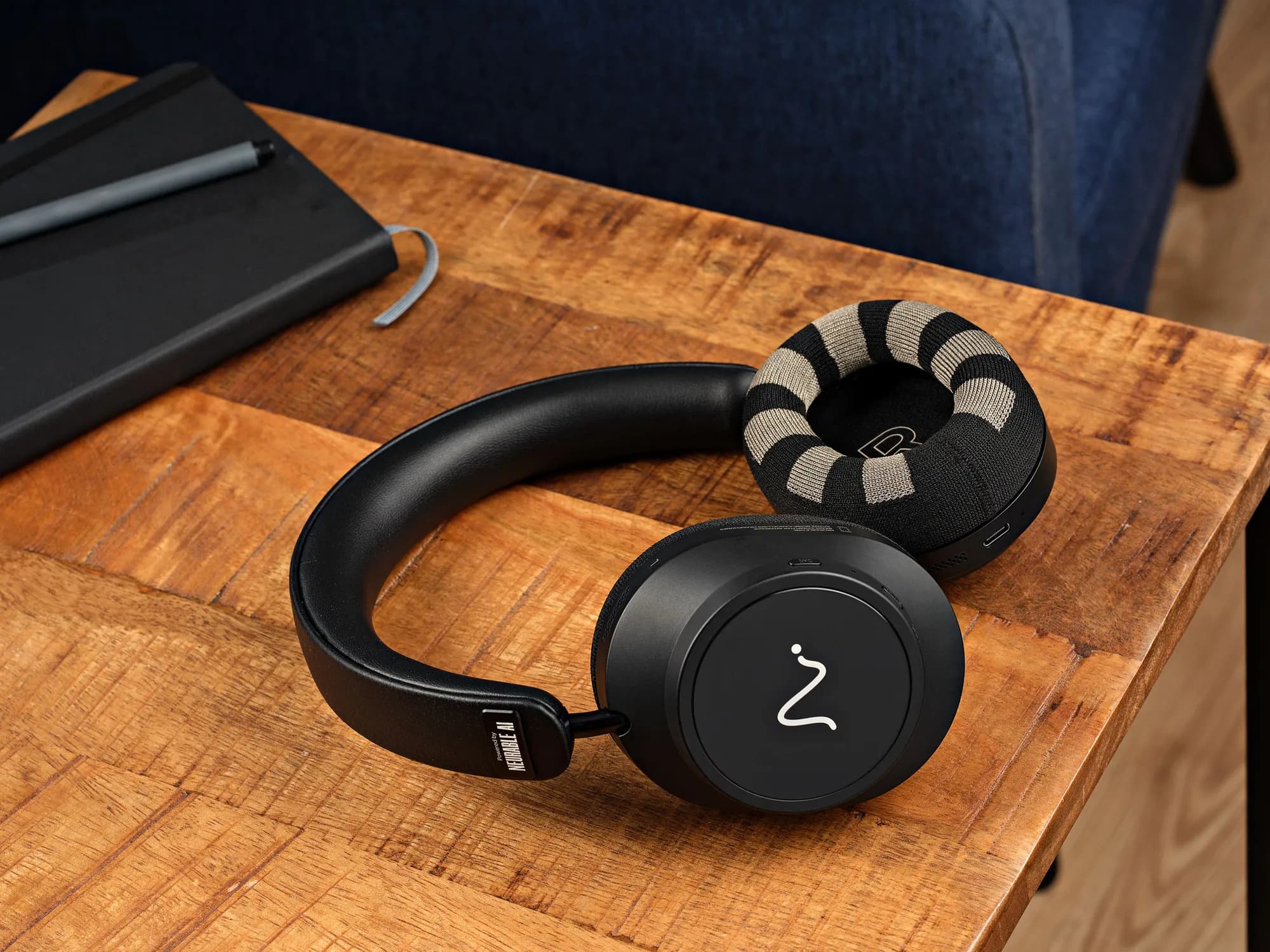
Amidst this growing landscape of consumer neurotech, Neurable has emerged as a prominent player with its latest hardware announcement: the Neurable One. Designed to look and function like a standard pair of high-end over-ear headphones, this device integrates subtle neural sensors capable of reading brainwave activity in real time. Rather than relying on invasive procedures or bulky headsets, the hardware aims to blend seamlessly into a knowledge worker's daily routine, offering continuous insights into cognitive states without demanding changes to normal behavior.
Decoding the Mechanics of Neural Monitoring
At the core of the Neurable One's functionality is non-invasive EEG technology, which captures the electrical activity of the cerebral cortex via sensors embedded within the ear cushions and headband. These sensors detect rhythmic fluctuations in electrical potentials generated by neural populations, translating raw signals into actionable metrics regarding attention, mental fatigue, and stress levels. Processing these signals requires robust algorithms capable of filtering out physiological artifacts—such as blinking, jaw clenching, and head movement—to isolate genuine cognitive indicators.
The primary promise of this sensory hardware is its ability to identify when a user is deeply immersed in complex problem-solving, commonly referred to as being 'in the zone.' By continuously monitoring these cognitive patterns, the accompanying software attempts to map out an individual's personal attention span and energy fluctuations throughout the day. Instead of forcing users to guess when they are burning out, the system calculates a dynamic 'brain battery' metric, signaling when focus is degrading and mental fatigue is setting in.
Optimizing Developer Workflows and Focus States
For software engineers, data scientists, and digital creators, maintaining deep focus is the ultimate currency. Interruptions, context switching, and mental fatigue are the primary productivity killers in modern software development, often requiring substantial time to regain a complex mental model after a single distraction. Tools that can accurately detect cognitive strain and advise on optimal workflow management hold immense theoretical value for this demographic.
By alerting developers to declining cognitive performance before complete exhaustion hits, devices like the Neurable One could help automate the scheduling of strategic breaks. Furthermore, if integrated with modern developer environments and operating system notification systems, such neural feedback loops could eventually be used to block incoming Slack messages, silence non-critical alerts, and mute communications precisely when a programmer reaches peak concentration, shielding them from external interruptions.
The Complex Challenges of Neural Data and Privacy
Despite the enticing productivity benefits, mainstream consumer neurotechnology introduces profound questions regarding data privacy, security, and ethics. Brainwave data is deeply personal, potentially revealing information about an individual's emotional state, cognitive health, focus habits, and even neurological conditions. Handling this sensitive telemetry requires rigorous encryption and explicit consent mechanisms, as the implications of corporate entities or employers gaining access to continuous neural metrics are alarming.
Beyond privacy, accuracy remains a formidable technical hurdle. Human brains are notoriously complex, and individual neurophysiology varies wildly from person to person. Developing generalized machine learning models that can accurately interpret focus and fatigue across diverse user bases without extensive calibration is a massive engineering feat. False positives—such as mistaking physical discomfort from wearing tight headphones for mental stress—can quickly erode user trust and render the device a frustrating gimmick rather than a reliable productivity tool.
Moreover, the prospect of workplaces adopting these tools to monitor employee productivity introduces dystopian possibilities. If employers attempt to track 'brain battery' levels as a metric for performance evaluation, it could lead to aggressive micro-management and toxic work environments. Ensuring that these technologies remain entirely under the control of the individual, with strict data isolation, will be vital for widespread acceptance in professional settings.
The Future of Neurotech Integration in Software Tools
As consumer-grade brain-computer interfaces mature, the most exciting frontier may not be the hardware itself, but the developer ecosystem that grows around it. Opening up APIs and software development kits for neural data allows programmers to experiment with mind-reactive applications, context-aware operating systems, and adaptive user interfaces. Imagine an IDE that dynamically simplifies its layout when it detects high cognitive load, or an ambient audio generator that adjusts its frequencies based on your current EEG-measured focus level.
While skepticism is warranted given the historical over-promises of the wellness technology sector, devices like the Neurable One represent an important stepping stone toward ambient computing. By bridging the gap between neuroscience and daily developer tools, we are moving closer to a future where our software actively understands and adapts to our mental states.
Closing Takeaway
The Neurable One highlights the accelerating convergence of consumer electronics and neurotechnology, offering a glimpse into a future where productivity tools respond directly to our cognitive states. While privacy concerns, algorithmic accuracy, and workplace ethics remain significant hurdles to overcome, the potential to fundamentally transform how we manage focus and mental fatigue makes this a hardware trend well worth watching for developers and tech enthusiasts alike.
Source: wired.com