
Nothing Ventures Beyond Mobile With Studio-Tuned Audio Hardware

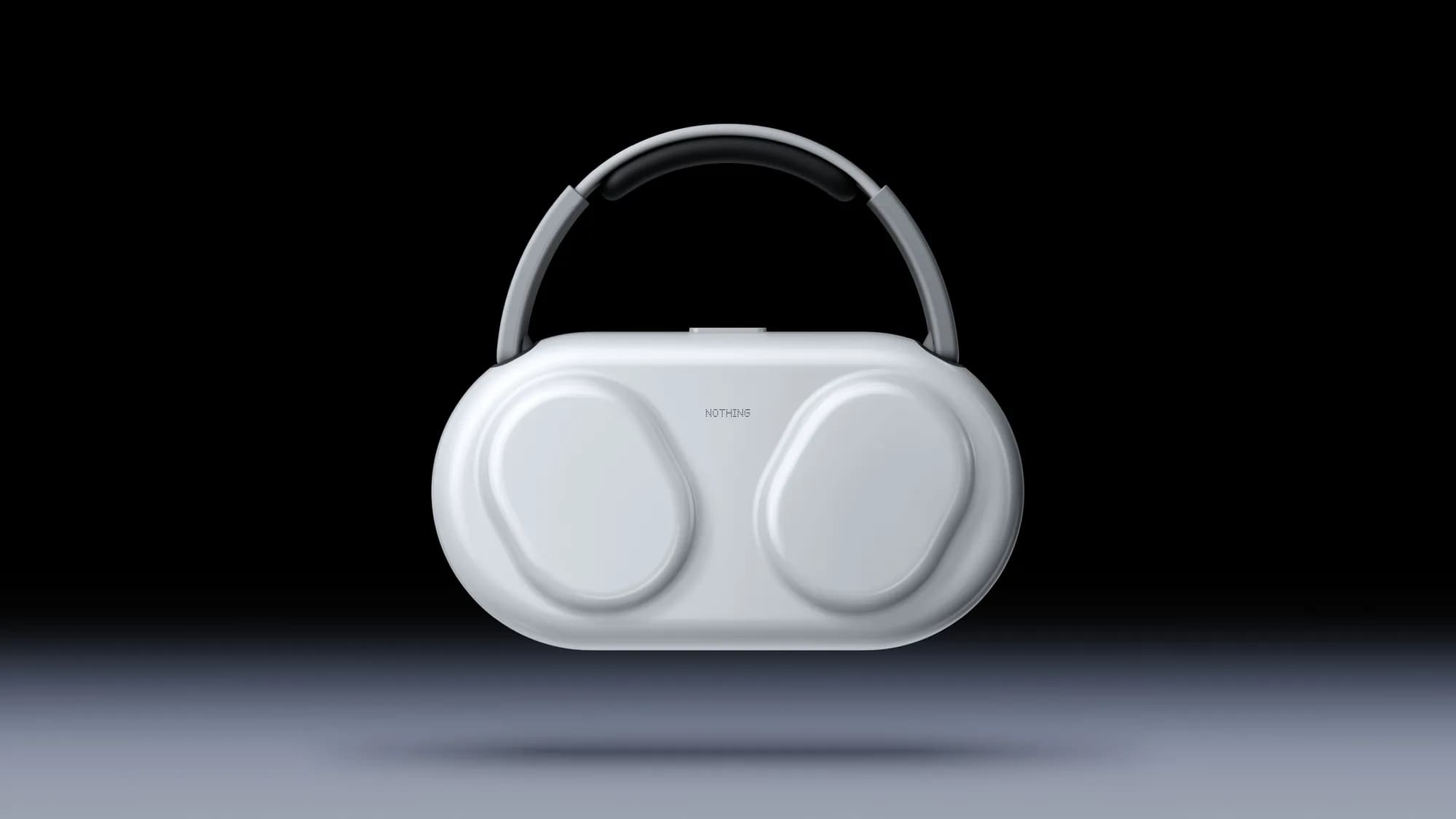
Expanding Beyond the Smartphone Ecosystem
The consumer electronics landscape is littered with brands that attempt to pivot from mobile devices into the audio space, often yielding mixed results. However, Nothing has consistently carved out a distinct identity defined by transparent aesthetics, minimalist software interfaces, and a deliberate refusal to blend into the sea of generic hardware. By introducing its latest over-ear audio hardware, the company is signaling a maturation of its industrial design philosophy. This move takes them out of the comfortable realm of everyday consumer earbuds and directly into the highly scrutinized market of high-end acoustic gear.
For developers and technology enthusiasts who closely track hardware ecosystems, this expansion represents an intriguing test of brand loyalty and engineering capability. Designing an audio product that targets both the casual commuter and the discerning professional requires a delicate balancing act between algorithmic signal processing and raw physical acoustics. As the brand scales its hardware pipeline, entering the audio workstation arena demonstrates an ambition to capture a larger share of the modern creator's daily workflow, complementing the devices they use to write code, edit media, and consume content.
The Engineering Challenge of Triple-Driver Architecture
At the technical core of Nothing's new studio-oriented headphones is a complex acoustic setup featuring three distinct drivers housed within each ear cup. Managing multiple drivers inside a closed-or-open acoustic chamber is notoriously difficult, requiring sophisticated crossover networks and precise digital signal processing to ensure that the low-end, mid-range, and high-frequency responses blend seamlessly without phase cancellation or harmonic distortion. This architectural choice marks a clear departure from single-driver consumer designs, aiming to deliver the kind of analytical clarity usually reserved for reference monitors.
For software engineers and firmware developers working in the audio domain, hardware of this complexity underscores the growing importance of onboard DSP algorithms. Achieving a flat, neutral response curve while simultaneously accommodating consumer-facing enhancements like active noise cancellation and dynamic EQ profiles demands significant computational power at the edge. The integration of advanced tuning partners further amplifies the need for robust firmware optimization, ensuring that the transition between flat studio monitoring and enhanced consumer playback remains smooth and responsive to user preferences.
Partnering With Metropolis Studios for Acoustic Validation
To establish credibility in the professional audio sector, hardware manufacturers typically seek validation from legendary institutions with deep roots in music production. Nothing's collaboration with Metropolis Studios brings a level of acoustic pedigree that sets these headphones apart from typical lifestyle audio accessories. Metropolis has shaped the sound of countless iconic records, making their listening environments the ultimate testing ground for translation—the ability of a playback system to accurately represent a mix across diverse environments, from club sound systems to cheap smartphone speakers.
This partnership highlights a broader trend in consumer technology where brands leverage heritage partnerships to bridge the gap between prosumer aspirations and professional utility. For developers and digital creators who often rely on accurate sound reproduction for video editing, podcast production, or spatial audio development, having access to studio-grade tuning in a portable form factor is a compelling proposition. It addresses a perennial workflow bottleneck: the need to constantly switch between clinical studio monitors and consumer-grade headphones to check how digital media translates to the real world.
Balancing Studio Rigidity With Commuter Comfort
Acoustic accuracy and multi-driver complexity are meaningless if the hardware is too heavy or fatiguing to wear during long, grueling sessions. Professional sound engineers routinely spend upwards of eight to ten hours chained to their mixing desks, demanding exceptional ergonomics, breathable ear cushions, and balanced clamping force. Conversely, mobile commuters prioritize active noise cancellation, rugged portability, and seamless wireless connectivity. Merging these two contrasting use cases into a single $399 device is one of the most formidable design challenges in modern consumer electronics.
Addressing these ergonomic hurdles involves a careful selection of materials, weight distribution mechanics, and battery management systems capable of driving multi-driver arrays without requiring constant recharging. For tech enthusiasts, dissecting how a company balances these physical constraints provides a fascinating glimpse into modern industrial design tradeoffs. The physical footprint must remain sleek enough for urban transit yet robust enough to withstand the rigors of frequent travel between home offices and professional workspaces.
The Software and Ecosystem Integration Layer
Modern hardware rarely exists in a vacuum, and the accompanying companion app ecosystem plays a pivotal role in defining the user experience. For professional-leaning devices, users expect granular control over frequency response curves, latency settings, and firmware updates. Nothing's software philosophy has traditionally favored minimalist utility over bloated feature sets, a design ethos that must now evolve to accommodate the complex requirements of advanced audio gear. Managing custom EQ presets, spatial audio rendering, and multi-device pairing efficiently requires a clean, low-latency software stack.
For developers, the software interface of modern hardware peripherals serves as a window into the underlying system architecture. Ensuring rock-solid Bluetooth stability, minimal audio-to-video latency for real-time editing workflows, and intuitive touch or physical controls is no small feat. As audio gear becomes increasingly software-defined, the ability to push seamless over-the-air firmware updates that continuously refine acoustic performance and address edge-case bugs becomes just as important as the physical drivers housed inside the ear cups.
Market Positioning in a Crowded Audio Landscape
Entering the upper-mid-tier headphone market puts the brand in direct competition with established industry titans who have decades of acoustic research and development behind them. At a price point hovering around $399, consumers and professionals alike expect uncompromising build quality, exceptional battery life, and top-tier noise cancellation. To carve out a viable niche, the product must successfully convince buyers that its unique multi-driver configuration and studio tuning offer a tangible advantage over traditional legacy competitors.
This strategic positioning reflects a broader maturation of challenger brands within the tech sector. Rather than competing solely on aggressive pricing or novelty aesthetics, companies are increasingly aiming for higher-margin segments by targeting productivity-focused users and creative professionals. If this hardware gamble pays off, it could pave the way for a broader ecosystem of creator-focused tools, cementing the brand's footprint far beyond the smartphone market that launched its initial trajectory.
Final Thoughts on Nothing’s Hardware Evolution
The introduction of studio-tuned, multi-driver headphones marks a significant milestone in the evolution of modern consumer tech brands. By bridging the gap between professional reference monitoring and everyday mobile convenience, the company is testing the limits of its design language and engineering capabilities. For developers and tech enthusiasts, watching how these hybrid hardware strategies unfold offers valuable insights into the intersection of acoustic physics, embedded software optimization, and brand expansion. Ultimately, the success of this ambitious audio venture will depend on whether its real-world performance can match the lofty expectations set by its studio pedigree.
Source: wired.com