
Nvidia Doubles Down on Physical AI to Power Next-Gen Autonomous Machines

The Shift Toward Physical AI
For the past few years, the tech industry has been overwhelmingly captivated by generative AI—large language models, text-to-image generators, and conversational interfaces that live entirely in the cloud or on local devices as digital assistants. However, a major paradigm shift is quietly underway, turning attention away from purely digital spaces and toward the physical world. This evolution, commonly termed 'physical AI,' represents the convergence of advanced machine learning models with tangible, hardware-driven machines that must interact safely with the unpredictable realities of our physical environment.
Nvidia, traditionally known as the dominant force behind graphics processing units and the hardware accelerating the current AI boom, is positioning itself at the epicenter of this movement. By marrying its powerful computing architectures with sophisticated simulation environments and specialized software development kits, the company is attempting to bridge the gap between abstract neural networks and physical execution. This strategy goes far beyond simple automation; it seeks to endow machines with spatial intelligence, allowing them to reason about their physical surroundings in real time and make split-second decisions that prevent catastrophic failures in the real world.
Tackling the Challenge of Autonomous Safety
One of the most formidable barriers preventing autonomous systems from achieving widespread commercial adoption has always been safety verification. Whether deploying a fleet of robotaxis in a bustling metropolitan area or introducing general-purpose humanoid robots into warehouse and consumer environments, the stakes are exceptionally high. Traditional software engineering relies on deterministic code paths, making it relatively straightforward to test and debug. In contrast, machine learning models are probabilistic, meaning they can behave in unexpected ways when exposed to corner cases that were never encountered during their training phase.
To mitigate this inherent unpredictability, Nvidia is championing a comprehensive, full-stack safety solution tailored specifically for physical AI developers. This approach combines hardware-accelerated simulation platforms with rigorous testing pipelines, allowing robotics companies to subject their virtual agents to millions of hazardous scenarios long before they ever touch physical pavement or factory floors. By heavily leaning on synthetic data generation and digital twins, developers can stress-test autonomous systems against rare edge cases, extreme weather conditions, and erratic human behaviors in a risk-free virtual space.
Empowering Humanoid Robots and Robotaxis
The applications for this comprehensive physical AI framework span two of the most heavily anticipated sectors in modern technology: autonomous vehicles and humanoid robotics. Robotaxis, which have experienced a turbulent rollout characterized by regulatory hurdles and public skepticism, stand to benefit immensely from more robust perception and planning architectures. A standardized safety stack that can be universally audited and verified helps build crucial trust with municipal regulators and end consumers alike, paving the way for broader commercial deployment.
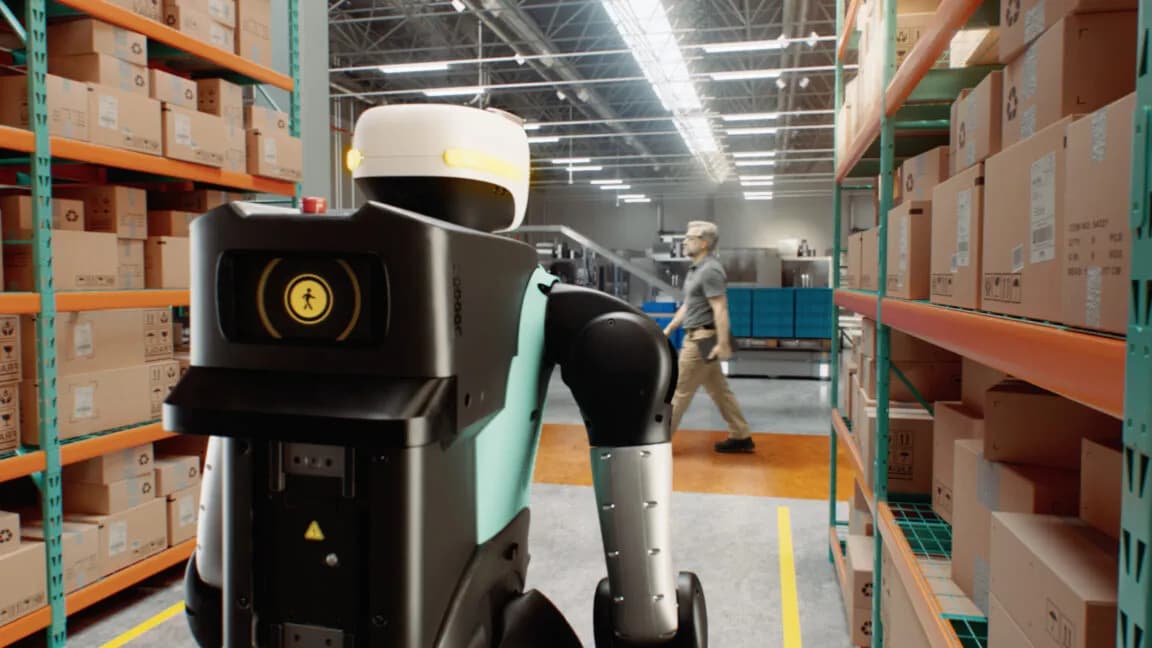
Simultaneously, the race to build commercially viable humanoid robots has accelerated dramatically, with numerous startups and tech giants unveiling bipedal machines designed to perform manual labor. These robots require immense computational power to process multi-modal sensor inputs—including lidar, radar, depth cameras, and inertial measurement units—while executing complex motor control routines in unstructured environments. Nvidia's platform provides the foundational middleware and acceleration necessary to process these massive data streams with minimal latency, ensuring that humanoid robots can maintain balance, manipulate delicate objects, and react swiftly to sudden physical perturbations.
The Developer Perspective: Tooling and Ecosystems
For software engineers and robotics developers, shifting from traditional robotics programming to AI-driven control systems is both an exciting frontier and a daunting challenge. Developing neural networks that can reliably translate high-level intent into precise actuator movements requires specialized tooling, robust debugging utilities, and immense computational horsepower. Nvidia's strategy recognizes that a powerful GPU alone is no longer enough to win the developer ecosystem; developers need a unified pipeline that handles everything from data ingestion and model training to virtual simulation and edge deployment.
This holistic ecosystem approach lowers the barrier to entry for smaller robotics startups, granting them access to enterprise-grade simulation and safety verification tools that would otherwise be prohibitively expensive to build in-house. By streamlining the development lifecycle, engineers can spend less time writing custom physics engines or struggling with hardware integration, and more time refining the core behavioral policies of their intelligent agents. As these tooling layers mature, we can expect to see a significant acceleration in the pace of robotics innovation across various industries.
Broader Industry Implications and Market Dynamics
The aggressive pursuit of physical AI is fundamentally altering the competitive landscape of the technology sector, drawing a clear line between companies that merely build software and those capable of delivering end-to-end cyber-physical systems. As automotive manufacturers, logistics giants, and industrial enterprises look for ways to automate labor and transport, they are increasingly demanding turnkey solutions that guarantee safety, compliance, and scalability. Nvidia's push into this space solidifies its role not just as a chip vendor, but as an indispensable infrastructure provider for the next industrial revolution.
Furthermore, this trend is likely to spark new collaborations between traditional heavy industry players and cutting-edge artificial intelligence labs. Automotive companies and robotics manufacturers are discovering that their future success is deeply intertwined with advancements in simulation and synthetic training data. Consequently, open standards and modular software architectures are becoming critical talking points across the industry, ensuring that diverse hardware components can seamlessly interface with advanced AI safety stacks without locking developers into proprietary silos.
Remaining Hurdles and Open Questions
Despite the undeniable promise of physical AI, significant technical and philosophical challenges still loom on the horizon. Bridging the 'reality gap'—the discrepancy between how a machine behaves in a physics simulation and how it performs in the messy, chaotic real world—remains an ongoing hurdle for researchers. Even the most sophisticated digital twins cannot completely replicate the infinite nuances of friction, material wear, and unexpected environmental interference found outside the laboratory.
Additionally, regulatory frameworks around the world are still struggling to keep pace with rapid advancements in autonomous systems. Questions surrounding liability, certification standards, and ethical decision-making during unavoidable accidents remain deeply complex. How regulatory bodies choose to evaluate and approve AI-driven safety solutions will heavily dictate how quickly these technologies transition from controlled test tracks and factories to open public spaces.
Looking Ahead at the Autonomous Future
The convergence of advanced machine learning and physical machinery marks a definitive turning point for how we build and interact with technology. Nvidia's strategic pivot toward comprehensive safety solutions for physical AI highlights a mature industry beginning to prioritize reliability and trust alongside raw capability. As these simulation tools and deployment frameworks continue to evolve, the vision of autonomous robotaxis navigating complex city streets and dexterous humanoid robots working side-by-side with humans moves steadily closer to everyday reality.
For developers and industry observers alike, the coming years will be defined by how successfully these physical AI systems can prove their safety in the virtual realm before proving their utility in the physical one. The foundations being laid today will ultimately determine whether our automated future is characterized by seamless integration and safety, or ongoing struggles with the unpredictable nature of the physical world.
Source: arstechnica.com