Tesla's Cybercab Strategy: Inside the Push for Autonomous Fleet Sales
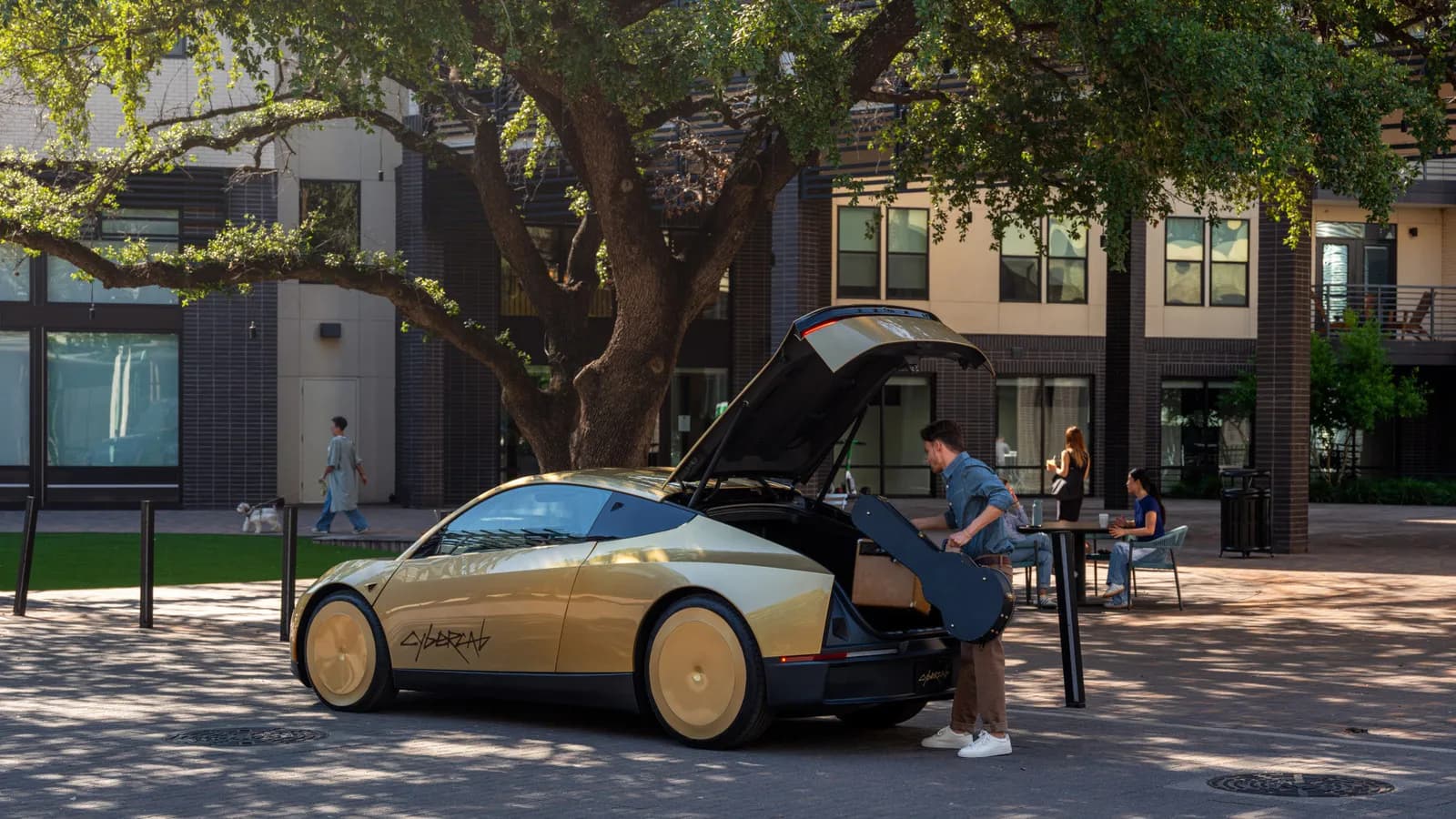
Tesla aims to begin selling its purpose-built Cybercab autonomous vehicles to external transport companies before the conclusion of the year, signaling a major strategic pivot.
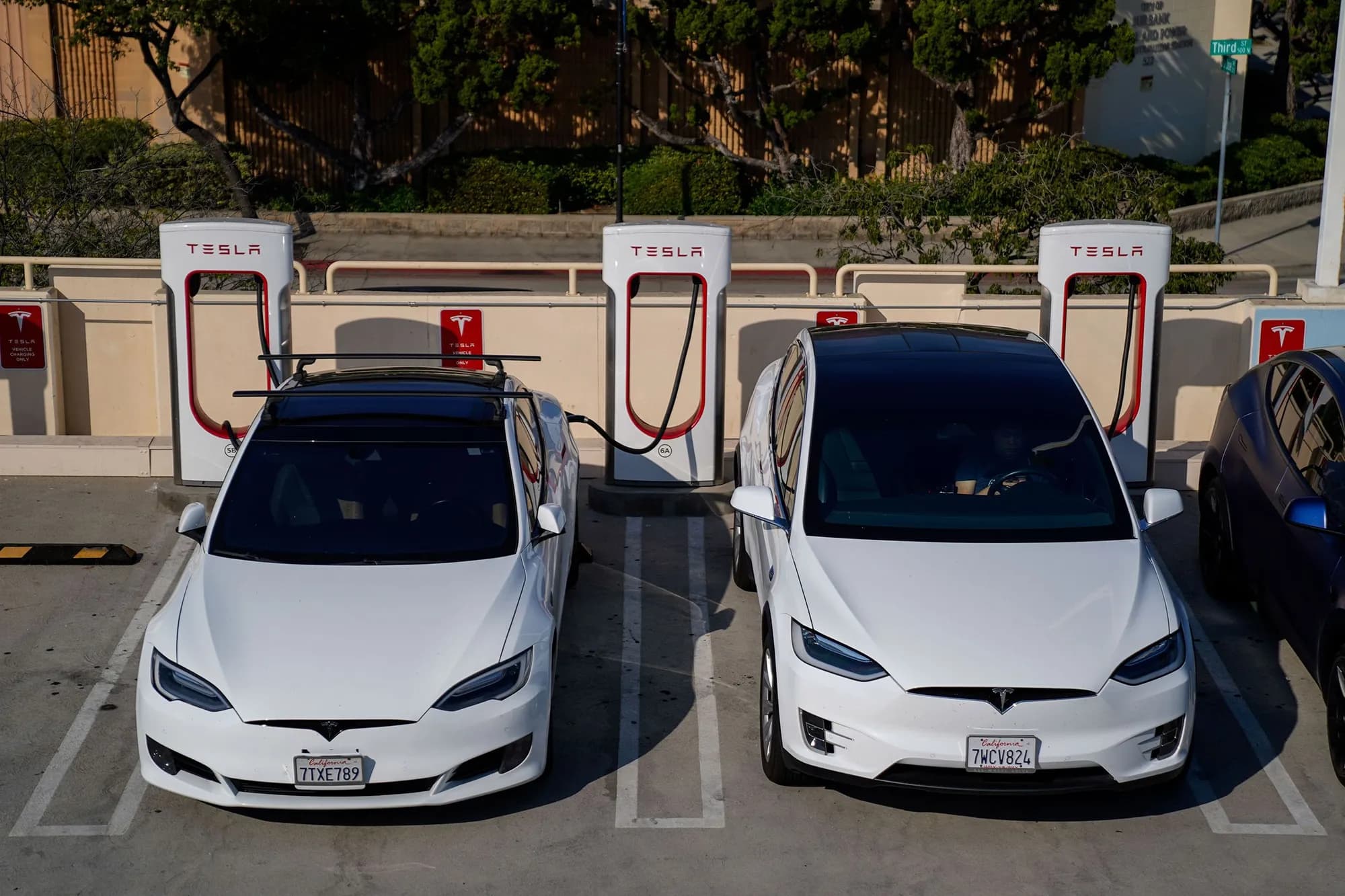
Tesla aims to begin selling its purpose-built Cybercab autonomous vehicles to external transport companies before the conclusion of the year, signaling a major strategic pivot.
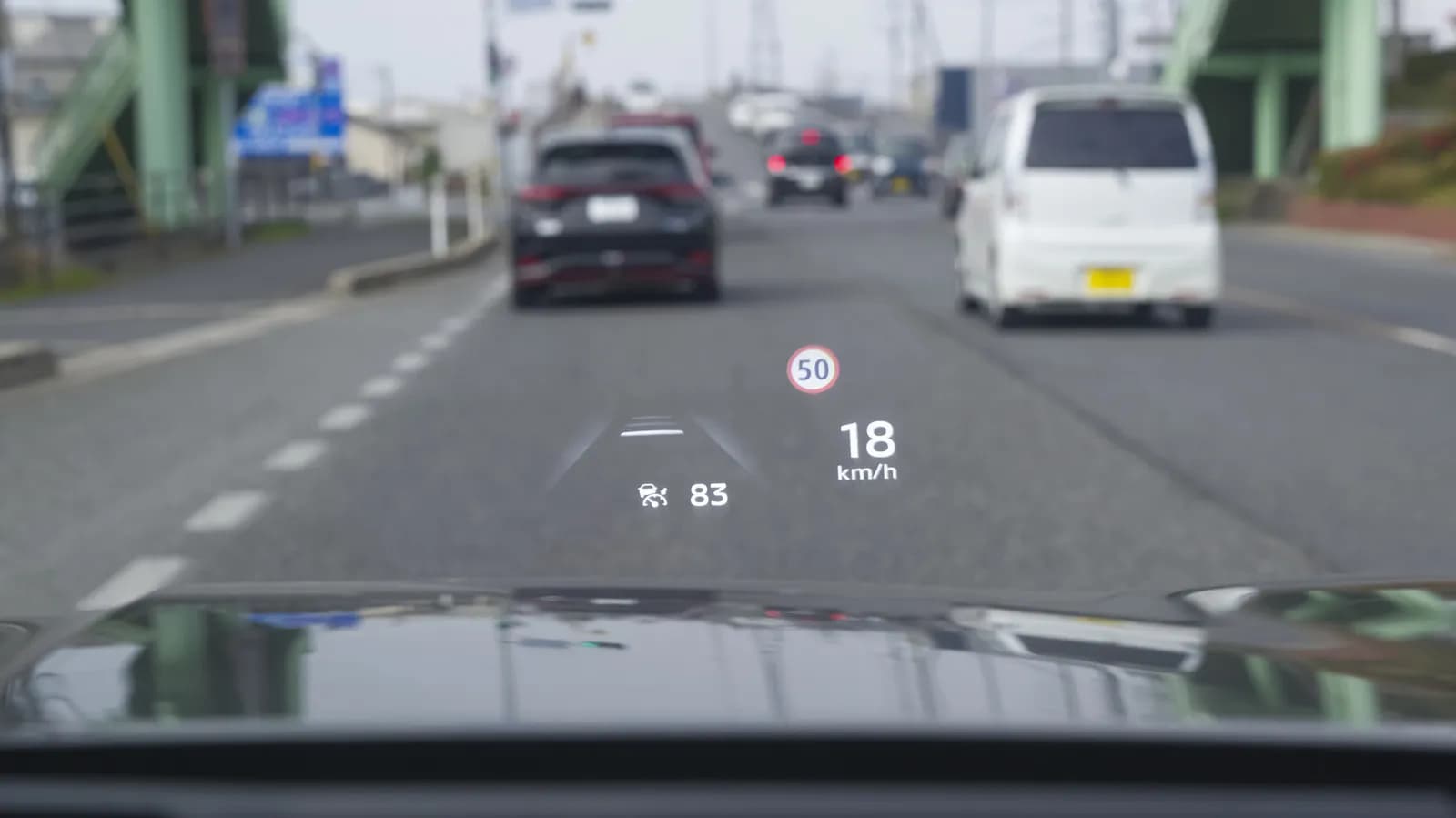
Adaptive cruise control relies on sensor fusion, real-time control loops, and computer vision to quietly transform driver behavior and pave the path toward autonomy.

Tesla has quietly updated the naming convention for its advanced driver assistance features in Europe, shifting away from marketing monikers that regulators argue misrepresent the true capabilities of the technology.

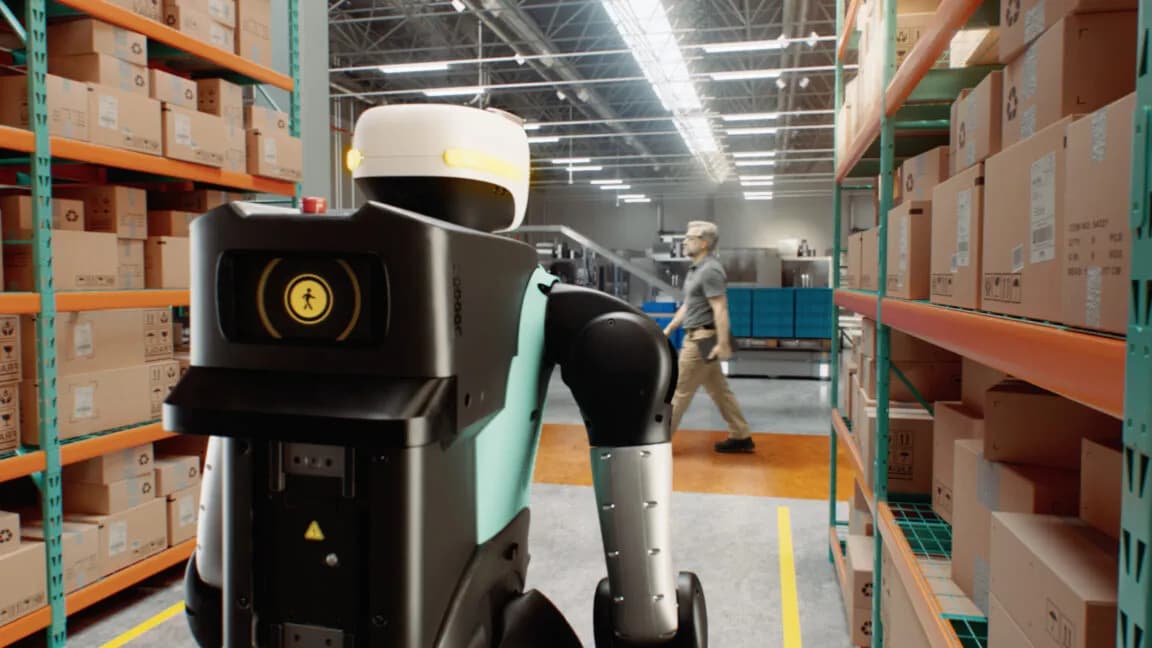
Nvidia is expanding its push into physical AI, introducing comprehensive safety frameworks and development stacks designed to accelerate the deployment of humanoid robots and safer autonomous vehicles.

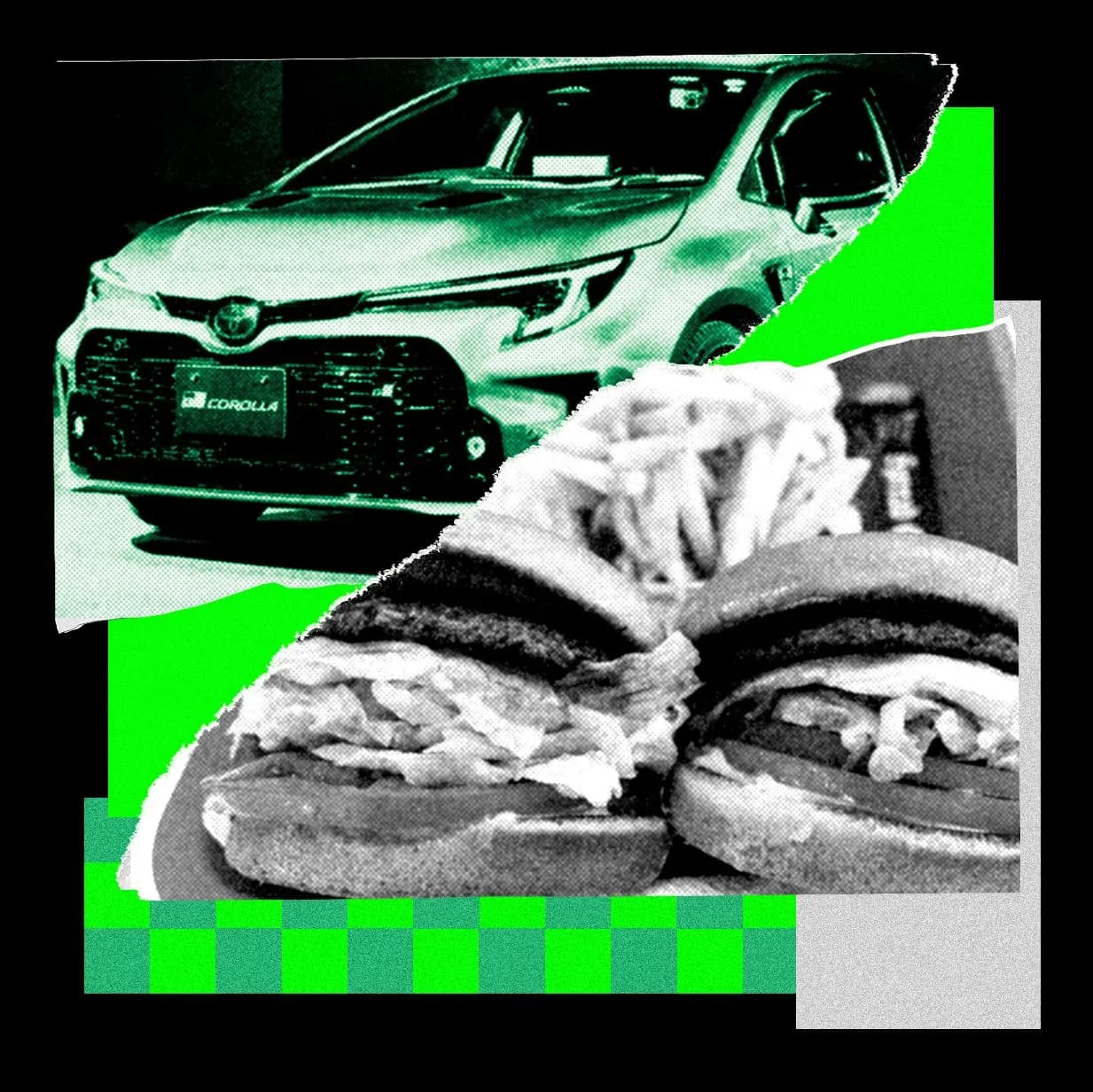
Engineers tested whether frontier language models like GPT, Claude, and Grok could autonomously drive a Toyota Corolla to get fast food, highlighting the wide gap between text-based reasoning and physical-world execution.

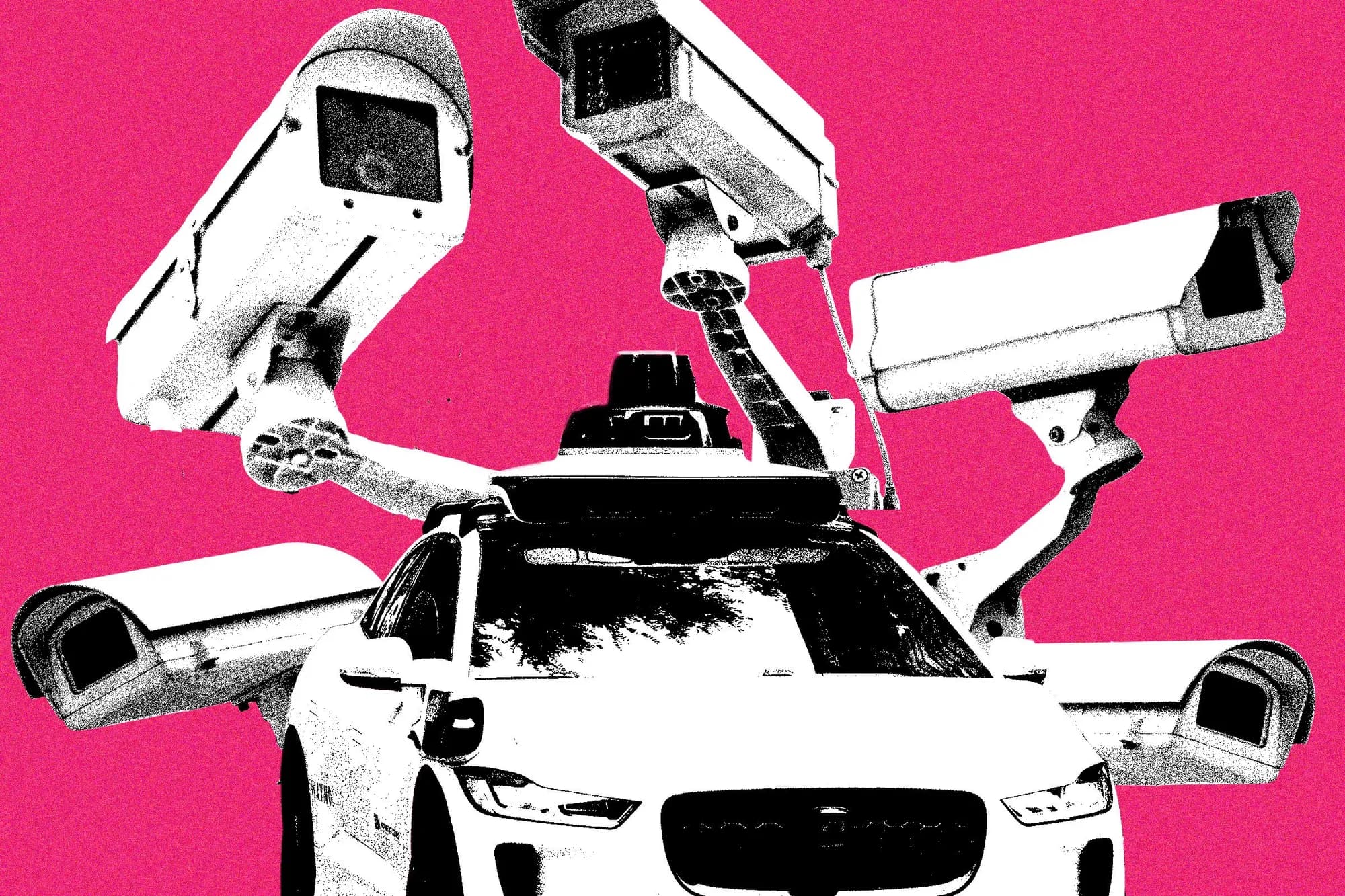
As autonomous vehicles populate urban streets, the extensive sensor suites inside passenger cabins raise pressing privacy and data collection questions for developers and riders alike.

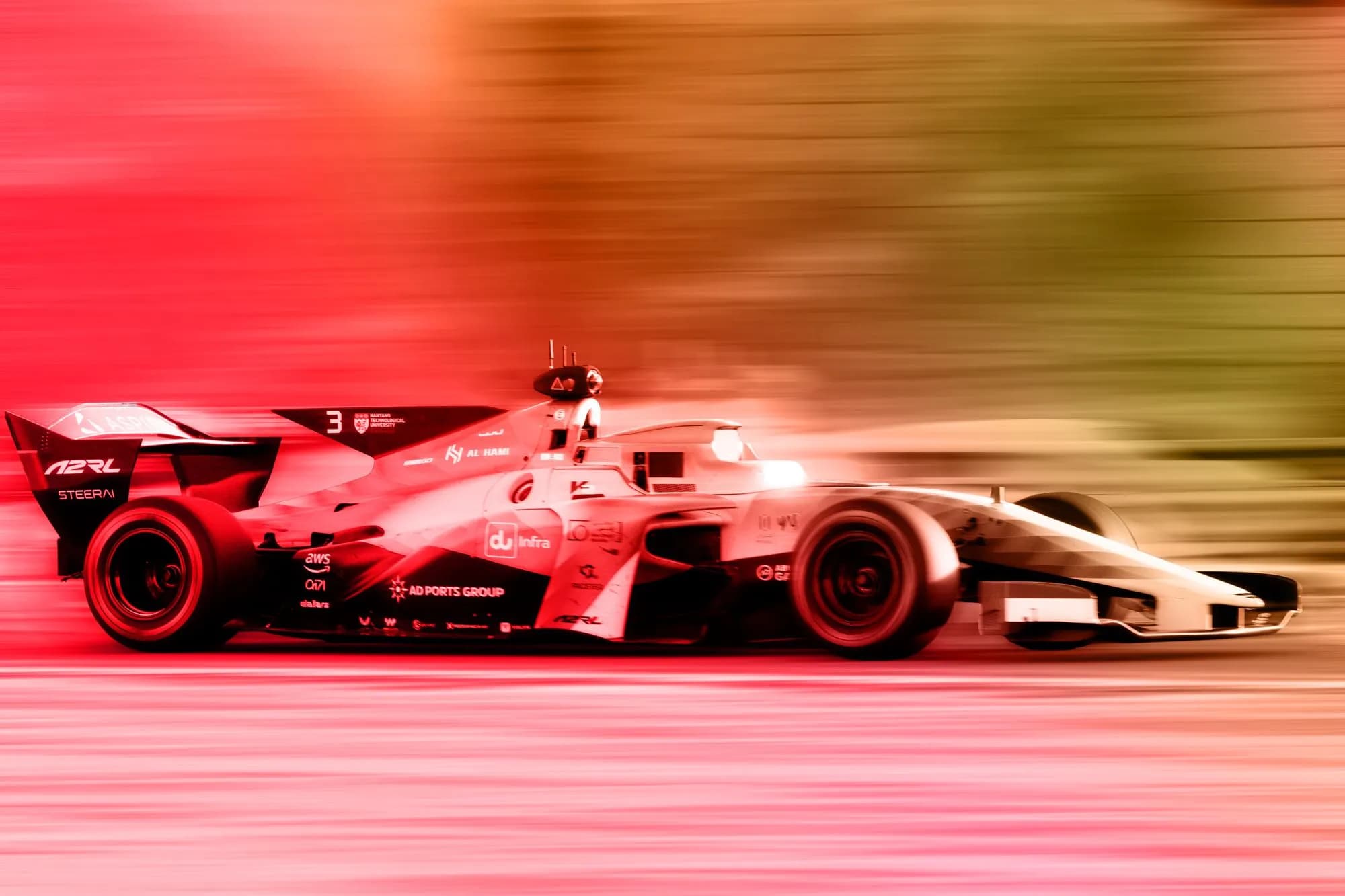
Autonomous racing events push machine learning algorithms and sensor fusion stacks past their breaking points, revealing critical lessons for real-world driving safety.