
Inside the Autonomous Cabin: The Hidden Data Pipeline of Self-Driving Taxis

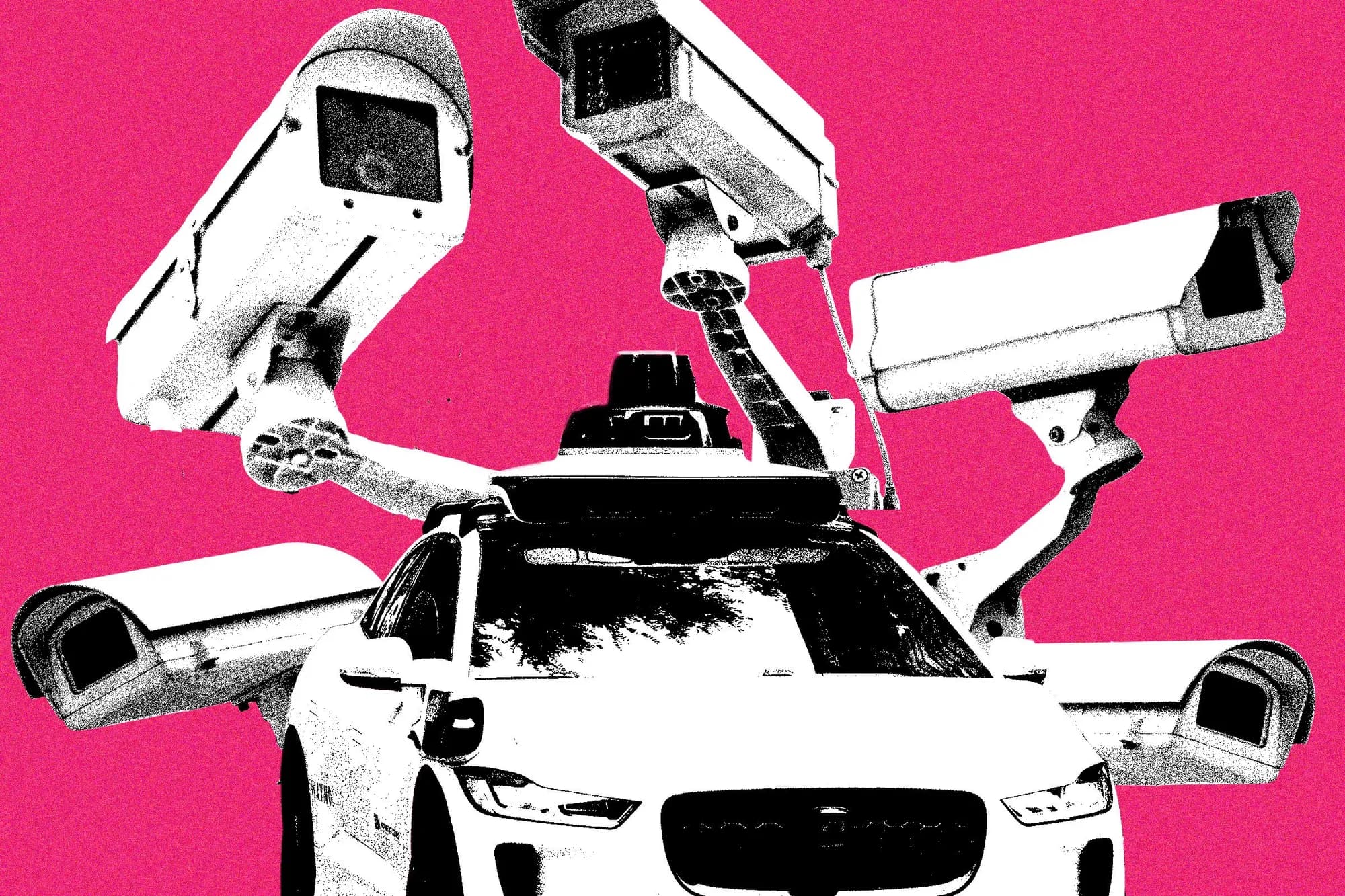
The Convergence of Autonomous Transit and Pervasive Telemetry
The transformation of modern transportation from human-driven mechanical systems to software-defined autonomous platforms has fundamentally altered our relationship with vehicles. Modern self-driving cars are no longer just mechanical objects with integrated microcontrollers; they are data-center-grade supercomputers on wheels. Packed with a dense array of lidar arrays, radar systems, high-resolution optical cameras, and acoustic sensors, these vehicles are engineered to continuously map, perceive, and interpret their surrounding physical environment.
However, as engineers and product designers shift focus toward optimizing the passenger experience inside the cabin, the boundary between external perception and internal surveillance has begun to blur. Autonomous fleets operated by companies like Waymo, Zoox, and Tesla utilize an array of interior-facing sensors. While initially pitched as safety enhancements to monitor passenger behavior or prevent vandalism, these monitoring apparatuses have inadvertently turned the passenger compartment into a data-gathering node.
Understanding the Sensor Suite Inside the Passenger Compartment
To appreciate how data is collected inside a driverless taxi, one must examine the hardware architecture deployed within the cabin. Unlike legacy automobiles that feature a simple rearview mirror and perhaps a dome light, autonomous cabs are studded with specialized monitoring equipment. Infrared cameras, optical lenses, and microphone arrays are strategically positioned to maintain a comprehensive view of the passenger space.
These sensors serve multiple technical imperatives. From an engineering standpoint, computer vision algorithms require continuous feedback to ensure that passengers are seated safely, wearing seatbelts, and not tampering with critical vehicle interfaces. Furthermore, in ridesharing contexts where vehicles operate without a human safety driver, cabin-monitoring systems act as the primary defense against unruly behavior, forgotten items, and potential safety violations. Yet, the same technical loops designed to keep occupants safe also capture intimate details of everyday transit.
The Data Lifecycle: From In-Cabin Capture to Cloud Processing
Data gathered by interior sensors does not simply vanish once a trip concludes; it enters a sophisticated, automated telemetry pipeline. When an occupant enters an autonomous vehicle, vision models immediately begin processing frames to detect occupant posture, count passengers, and monitor interaction with the vehicle's infotainment or climate controls.
Depending on the manufacturer's architecture, a subset of this data is streamed back to remote cloud infrastructure for model retraining, quality assurance, and edge-case analysis. Computer vision engineers constantly require diverse, real-world training data to improve downstream tasks such as anomaly detection and interior state classification. Consequently, the casual actions of everyday commuters—ranging from accidental gestures to private conversations—risk being ingested into massive machine learning datasets, raising serious questions about downstream data retention and consent.
Privacy Implications and the Regulatory Landscape
The transition from hardware-enforced privacy to software-driven transparency creates complex regulatory challenges. Traditional taxis and rideshare vehicles driven by humans offer a degree of ambient anonymity; a driver might remember a fare, but they rarely record high-definition audio and video streams for corporate analytics. In contrast, autonomous systems institutionalize continuous recording as a standard operational feature.
Privacy advocates and regulatory bodies are increasingly scrutinizing how these companies handle Personally Identifiable Information (PII) captured inside the cabin. While firms maintain that footage is anonymized, masked, or discarded unless an incident occurs, the sheer volume of telemetry creates attractive honey pots for malicious actors and aggressive corporate monetization strategies. As privacy regulations like GDPR and various state-level frameworks evolve, autonomous vehicle operators face mounting pressure to implement rigorous on-device data minimization techniques.
The Developer Dilemma: Balancing Safety, UX, and User Privacy
For software engineers and machine learning practitioners building the next generation of transport systems, cabin telemetry presents a profound ethical and technical dilemma. On one hand, robust data collection is essential for refining autonomous safety features, detecting medical emergencies, and delivering seamless user interfaces. On the other hand, over-collection erodes public trust and invites regulatory crackdowns.
Developing privacy-preserving machine learning pipelines—such as federated learning, differential privacy, and aggressive edge-based obfuscation where faces and voices are scrubbed before leaving the vehicle—remains an active area of research. Engineers must increasingly ask themselves whether every data point captured is technically necessary or merely convenient for future algorithmic optimization.
What Lies Ahead for Autonomous Cabin Governance
As autonomous vehicle deployments scale from pilot programs in select cities to nationwide commercial rollouts, public expectations around privacy will harden. Companies that fail to provide transparent, granular controls over in-cabin data collection risk alienating their user base, sparking consumer boycotts, and triggering punitive legislative measures.
The long-term success of the autonomous transit industry depends not only on how safely a car can navigate a chaotic intersection, but also on how respectfully it treats the human beings sitting in the back seat. Establishing industry-wide standards for cabin data handling will be just as critical as perfecting collision-avoidance algorithms in defining the future of mobility.
Conclusion
The rise of the self-driving taxi represents a monumental engineering achievement, but it also serves as a stark reminder of the pervasive nature of modern data collection. By transforming passenger cabins into sensor-rich environments, autonomous vehicle developers have opened a new frontier in the ongoing debate over digital privacy. Balancing the technical demands of machine learning with a fundamental respect for user confidentiality will remain one of the defining challenges for software architects in the autonomous era.
Source: wired.com