Decoupling Wearable Tech: HTC Introduces Privacy-Centric Smart Glasses
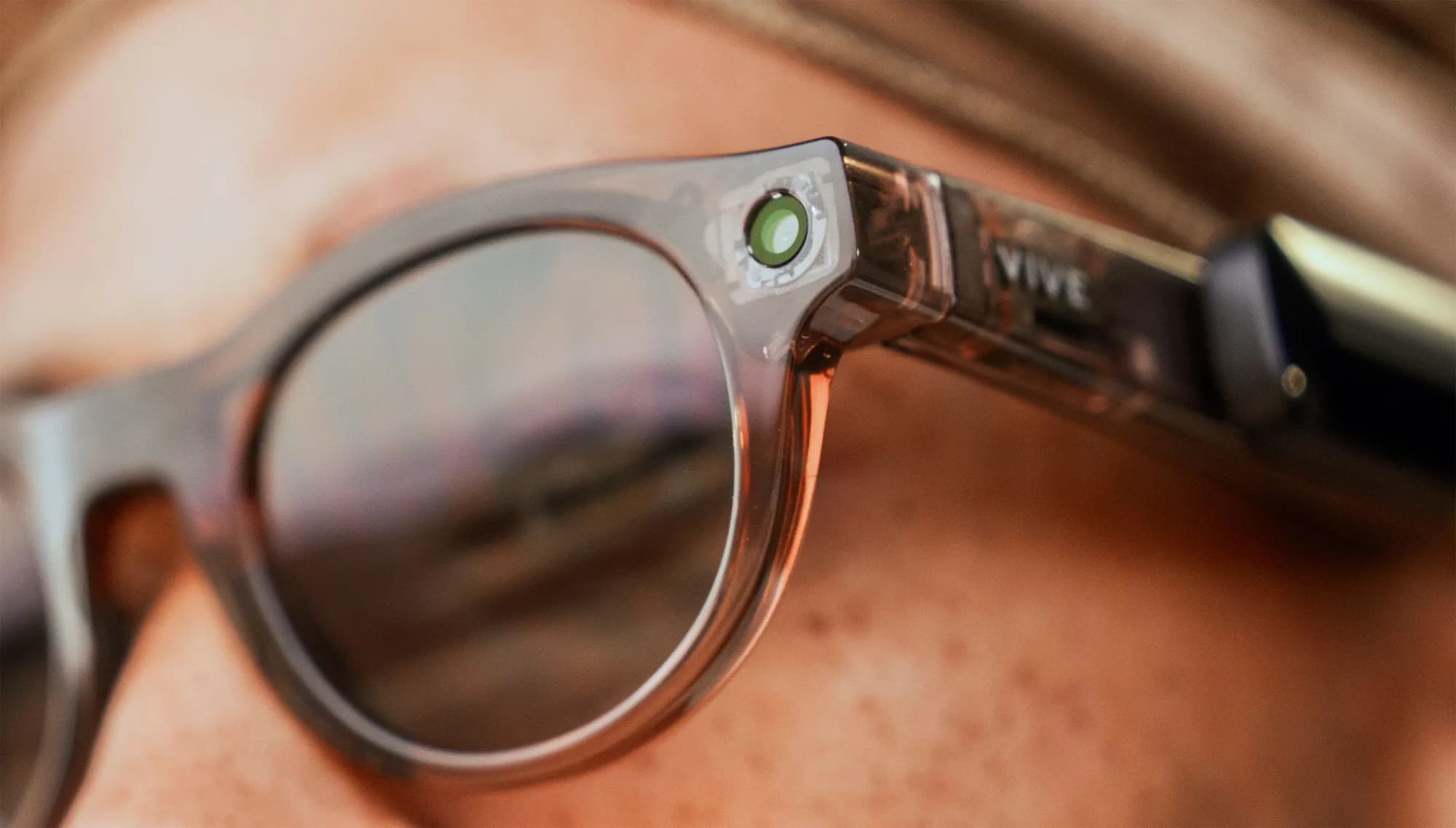
HTC has unveiled a new pair of smart glasses designed to rival Meta's hardware capabilities while intentionally disconnecting users from social media data harvesting.


HTC has unveiled a new pair of smart glasses designed to rival Meta's hardware capabilities while intentionally disconnecting users from social media data harvesting.

Smart speakers rely on low-power edge detection to catch wake words before streaming audio to the cloud. Here is a technical look at how voice devices process acoustic data and what developers need to know about user privacy.

Legislative pushes across democracies and authoritarian regimes alike are systematically eroding the foundations of digital privacy through backdoors and surveillance mandates.

Xiaomi's aggressively priced hardware relies on an integrated software monetization strategy that serves ads across its mobile operating system. Here is a technical breakdown of how this model works, its privacy implications, and the developer-approved methods to disable it.

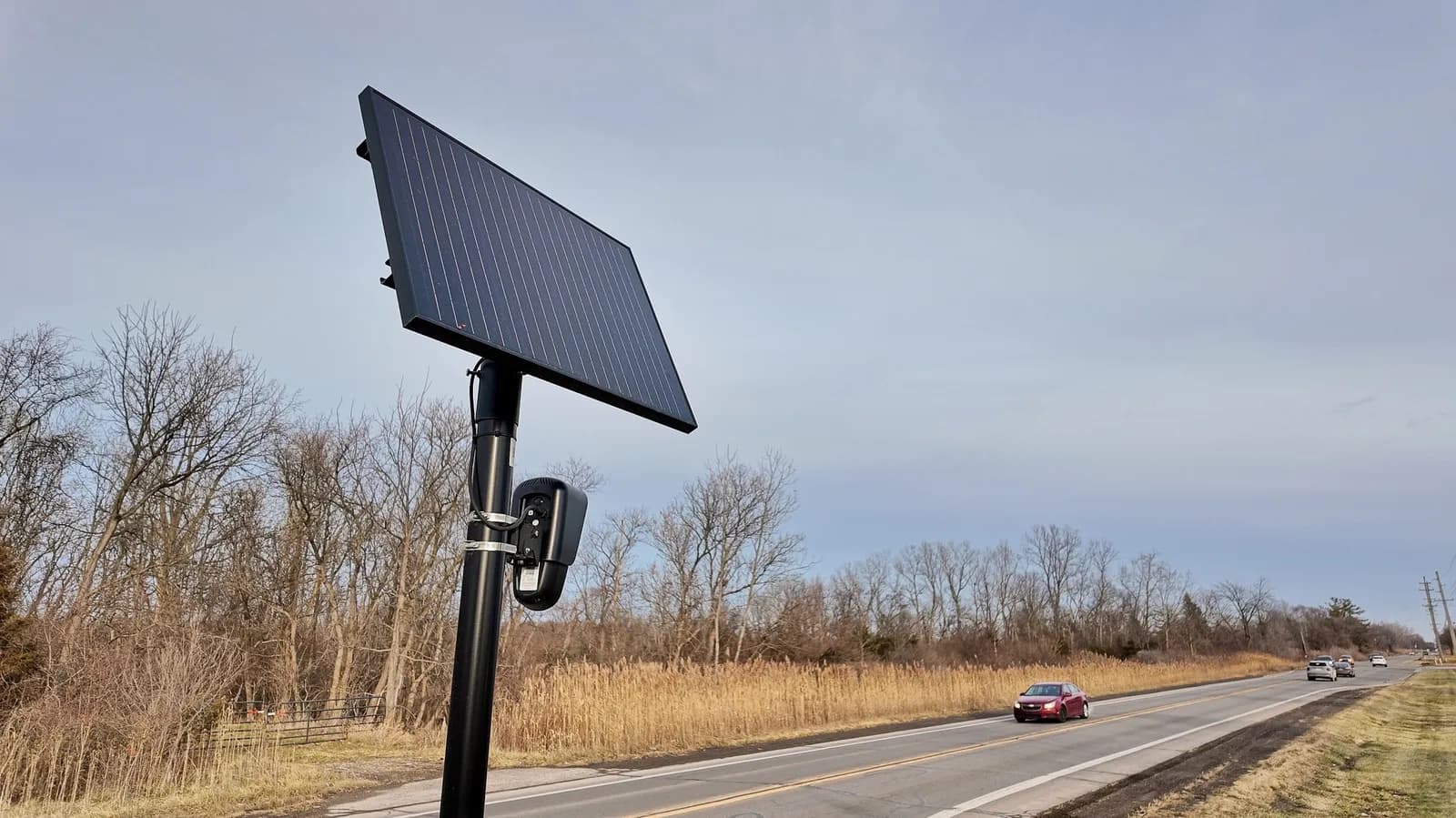
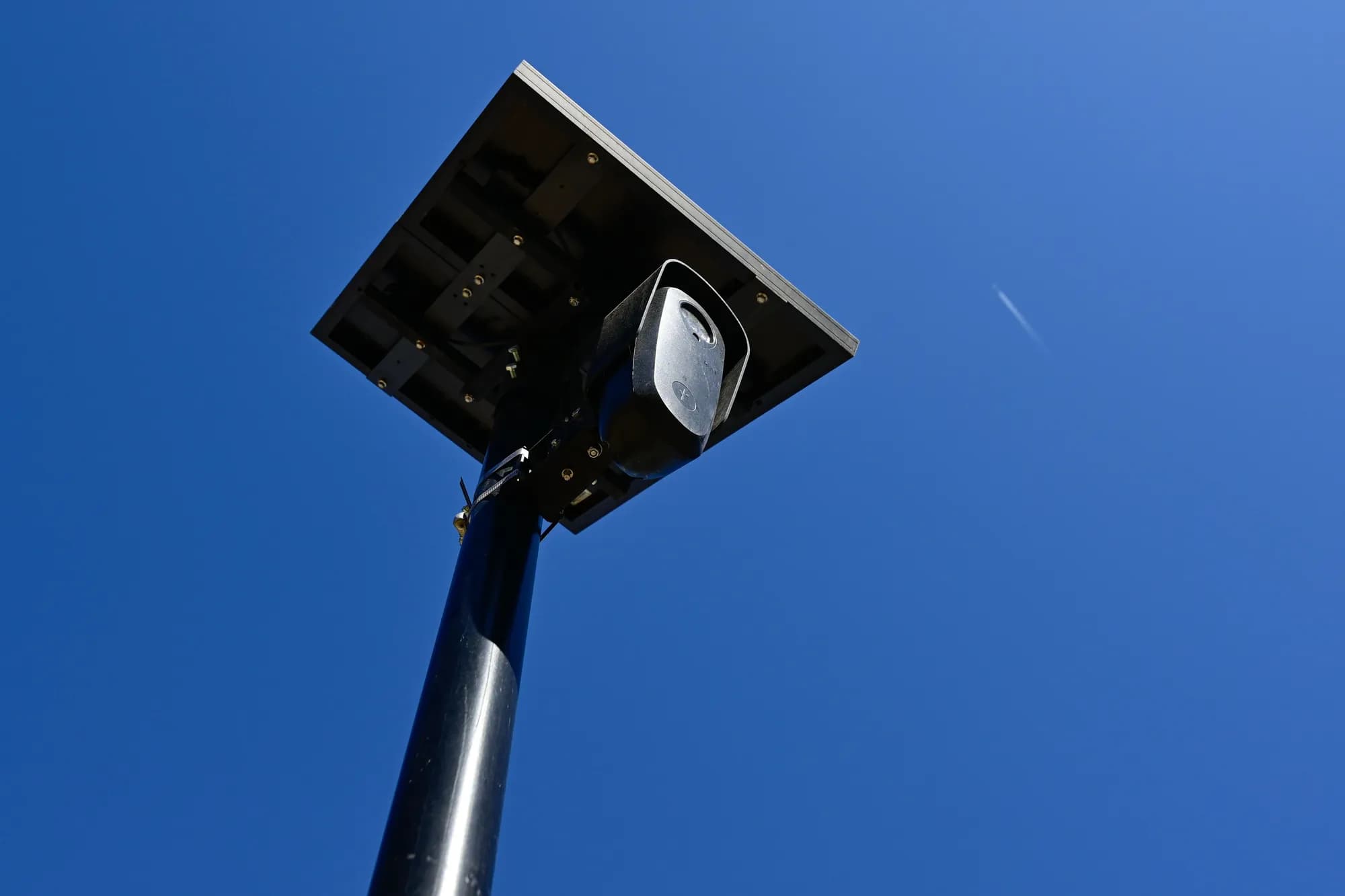
MapQuest has introduced a new feature to its mapping platform that reveals the locations of Flock Safety automated license plate reader cameras.

Researchers at Citizen Lab have uncovered AdFection, a sophisticated spyware campaign leveraging global digital advertising networks to silently compromise mobile phones and personal computers.

An in-depth look at how developers can audit and tighten privacy settings in Google Chrome to minimize telemetry and data collection.

Norway's data protection authority has handed down a massive penalty to Microsoft subsidiary Xandr over unlawful processing of Grindr user data, setting a fierce regulatory precedent for the adtech industry.

Automated license plate reader provider Flock Safety is reportedly facing substantial workforce reductions as public pushback against pervasive surveillance technology collides with company morale.

NBA legend Shaquille O'Neal's recent public confession of being hacked underscores a universal truth: no one is immune to digital vulnerabilities, and securing modern systems requires relentless vigilance from both individuals and engineers.

Apple's expansion of Siri's personal data indexing capabilities introduces powerful context-aware features alongside valid user privacy concerns and configuration challenges.

Millions of users are downloading Meta's Muse AI agent, but building detailed digital profiles of friends and family raises significant privacy concerns.

Apple modifies its macOS Full-Disk Access permission model to protect user data from aggressive autonomous AI agents, drawing pushback from companies like Meta.

Recent court documents show immigration authorities logged photographs of legal observers directly into Palantir systems, raising critical engineering and ethical questions about modern surveillance databases.

As autonomous vehicles populate urban streets, the extensive sensor suites inside passenger cabins raise pressing privacy and data collection questions for developers and riders alike.

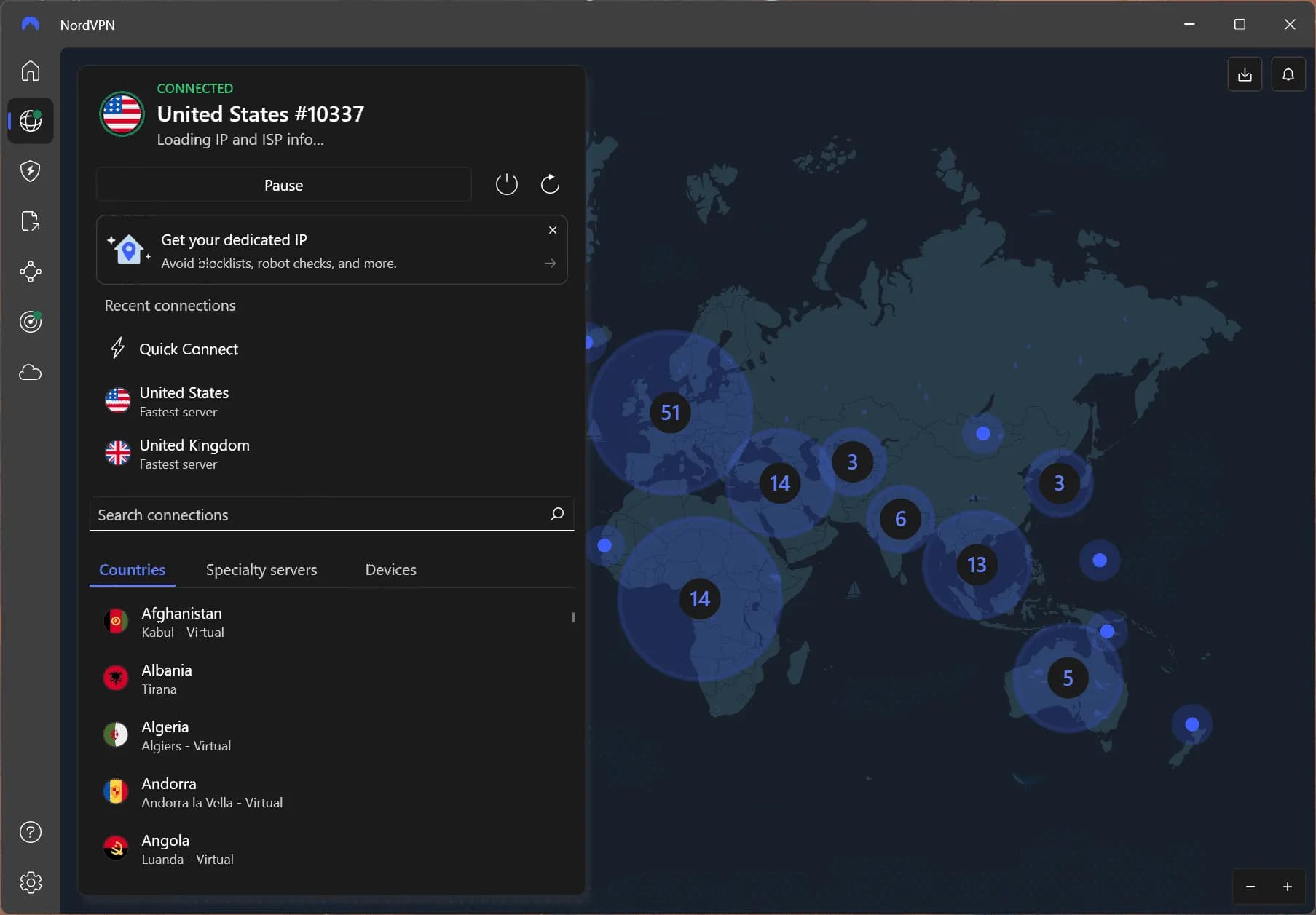
An in-depth look at the state of virtual private networks in 2026, exploring what modern testing reveals about privacy, performance, and developer needs.

License plate reader manufacturer Flock is offering voluntary severance to workers as public agencies cancel contracts over privacy and surveillance concerns.

Europe's proposed EU Kids Act introduces aggressive age limits for social media platforms, sparking intense debate over privacy, tech regulation, and parental rights.

Lawmakers and privacy advocates in New York City are rallying behind legislation to ban biometric surveillance at public entertainment venues like Madison Square Garden, sparking a crucial debate for developers building computer vision systems.