
Rivian’s R2 Breakthrough: Redefining the Software-Defined Electric SUV

Introduction to the Next EV Frontier
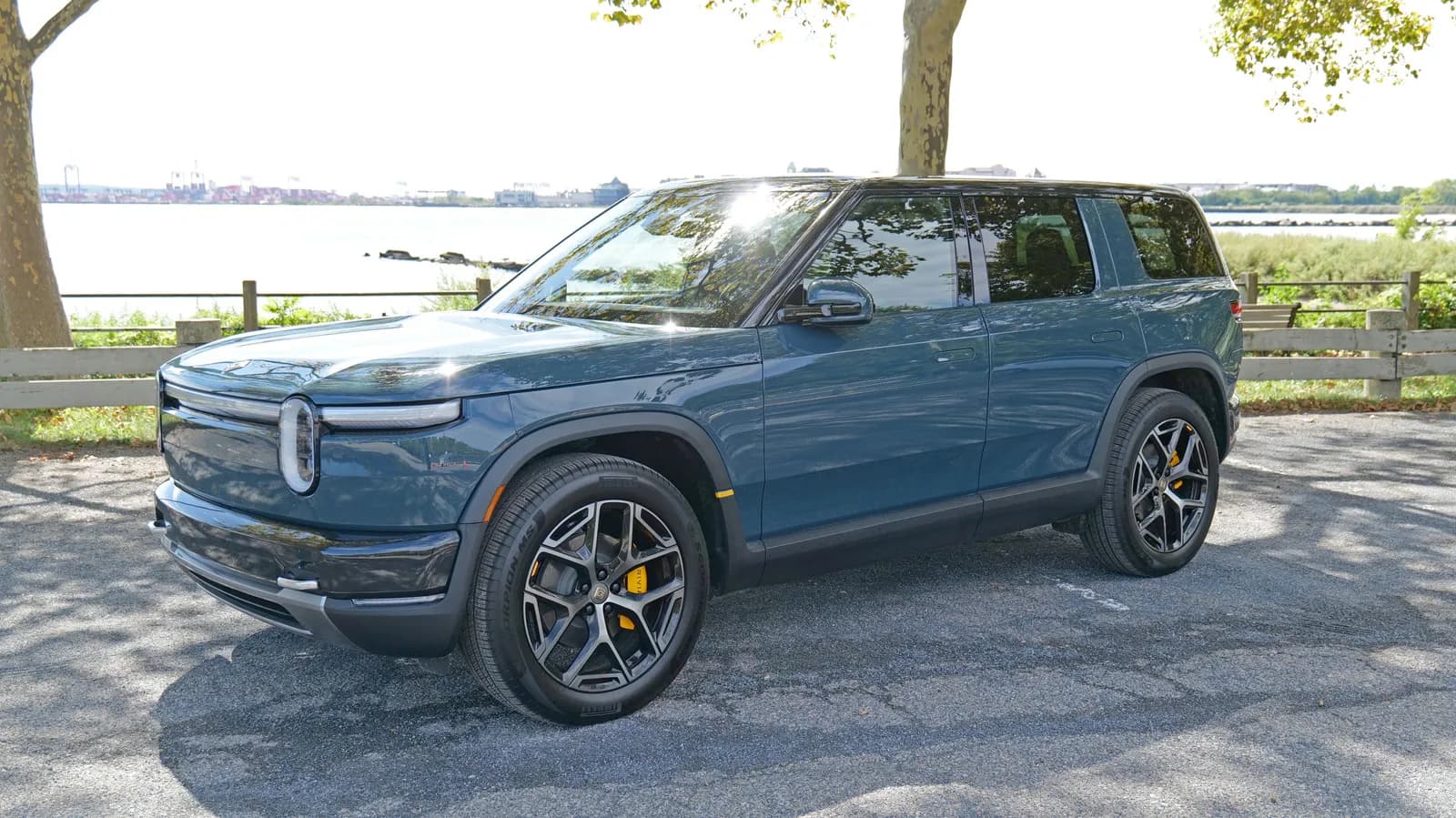
The electric vehicle industry has reached a fascinating maturity milestone. For years, the market was bifurcated into prohibitively expensive luxury flagships with bleeding-edge technology and bare-bones commuter cars that failed to capture the imagination. Rivian, known for its rugged and expensive R1T truck and R1S SUV, is attempting to bridge this massive gap with its latest vehicle. Dubbed the R2, this upcoming mid-size electric SUV represents a critical pivot toward mass-market viability, balancing size, capability, and price in a way few manufacturers have managed so far.
As software engineers and tech enthusiasts, our interest in modern vehicles extends far beyond horsepower and battery chemistry. Today’s cars are rolling data centers, complex distributed systems operating on the edge under extreme environmental constraints. The R2 is not merely a downsized version of its predecessor; it is a ground-up rethinking of how a modern electric vehicle should be engineered, packaged, and integrated into a broader digital ecosystem. Examining the R2 gives us a fascinating lens into the future of automotive systems engineering and consumer technology adoption.
Engineering the Goldilocks Factor
Designing a vehicle that appeals to a global audience requires navigating a series of severe engineering constraints. The original R1 platform, while universally praised for its off-road prowess and performance, occupied a physical footprint that can feel cumbersome in urban environments and a price tier reserved for affluent buyers. With the R2, Rivian engineers focused heavily on optimizing space utilization. By shrinking the overall dimensions without drastically compromising interior volume, they targeted the sweet spot of the global crossover market.
Achieving this balance required meticulous packaging of the battery pack, motors, and cabin space. Thermal management systems, structural rigidity, and crash safety standards all had to be re-evaluated for a smaller, lighter platform. The result is a vehicle that feels substantial and versatile yet nimble enough for daily commuting and tight parking garages. For software and hardware developers alike, this design philosophy mirrors the challenge of scaling a complex system down from enterprise hardware to edge devices without losing core functionality.
The Software-Defined Vehicle Architecture
Perhaps the most compelling aspect of the R2 platform for the tech community is its underlying electronic and electrical (E/E) architecture. Legacy automakers have long struggled with fragmented, multi-controller software environments supplied by dozens of third-party vendors, leading to notoriously sluggish interfaces and difficult update cycles. Rivian, taking a page from the modern tech playbook, has designed a heavily consolidated computing architecture for the R2.
By reducing the number of electronic control units (ECUs) and centralizing compute power, Rivian aims to streamline over-the-air (OTA) updates, enhance vehicle diagnostics, and introduce advanced driver-assistance systems (ADAS) more seamlessly. This unified stack relies on an upgraded sensor suite, including high-resolution cameras and radar, positioning the R2 to handle increasingly autonomous driving capabilities over time. For developers, watching the evolution of automotive operating systems is akin to watching the early days of mobile app ecosystems—rapidly iterating, highly integrated, and fiercely competitive.
Disrupting the Mid-Size Market Price Point
Technology adoption ultimately hinges on economics. No matter how elegant the engineering or how seamless the software, an electric vehicle cannot drive systemic change if it remains financially out of reach for the average buyer. Rivian’s ambitious pricing target for the R2 is designed to position it directly against dominant market leaders like Tesla's Model Y, as well as an influx of competitive offerings from traditional global automakers.
Reaching this price point requires immense manufacturing discipline, supply chain optimization, and production scalability. Rivian is currently scaling its manufacturing footprint to support the high-volume output needed to make the R2 profitable. This production ramp is a high-stakes engineering and logistical hurdle, testing whether the company can successfully transition from a low-volume niche manufacturer to a high-volume mainstream producer without compromising quality or burning through capital reserves.
Developer and Ecosystem Implications
As cars transform into software platforms, the developer ecosystem surrounding them becomes increasingly important. Modern vehicles feature expansive infotainment screens, API integration for smart home devices, and extensible software development kits (SDKs) that open the door for third-party applications. Rivian’s approach to user interface and digital experience design suggests a strong emphasis on continuous improvement through software patches and feature drops.
Moreover, the electrification of transportation intersects deeply with grid stability, smart charging infrastructure, and renewable energy integration. Vehicles like the R2 act as mobile energy storage units, capable of bidirectional charging and participating in virtual power plants. For software engineers working in IoT, energy management, and cloud infrastructure, the automotive sector is rapidly becoming one of the most exciting domains for impactful, large-scale deployments.
Navigating Risks and Open Challenges
Despite the immense optimism surrounding the R2, significant risks remain on the horizon. The electric vehicle landscape is fiercely contested, with aggressive price wars, shifting consumer subsidies, and rapidly evolving battery technologies creating a volatile market environment. Scaling manufacturing lines to meet projected demand is notoriously difficult, as evidenced by the growing pains experienced by nearly every modern EV startup.
Additionally, consumer expectations for automotive software are exceptionally high. Users expect smartphone-like reliability and responsiveness from their vehicle displays, a standard that legacy and startup automakers alike have occasionally struggled to meet. Ensuring robust cybersecurity, low-latency processing for safety-critical systems, and intuitive user experiences will be paramount as the R2 moves closer to its official production launch.
Final Thoughts on the Road Ahead
The Rivian R2 represents much more than just another electric vehicle entering a crowded market segment. It is a litmus test for whether a modern tech-forward automotive company can successfully scale down-market while maintaining its brand identity and technical edge. By combining thoughtful physical design, a consolidated software-defined architecture, and a competitive price point, the R2 addresses the primary friction points that have slowed mainstream EV adoption.
For the technology and developer community, watching the rollout of the R2 offers a front-row seat to the ongoing convergence of consumer hardware, distributed systems engineering, and sustainable energy infrastructure. As we look toward its eventual release, the R2 stands out as a compelling blueprint for how the next generation of smart vehicles will be built, deployed, and experienced.
Source: engadget.com