
Three Decades of Open Source Freedom: KDE Celebrates Its 30th Anniversary with Plasma 6.8 and the End of X11

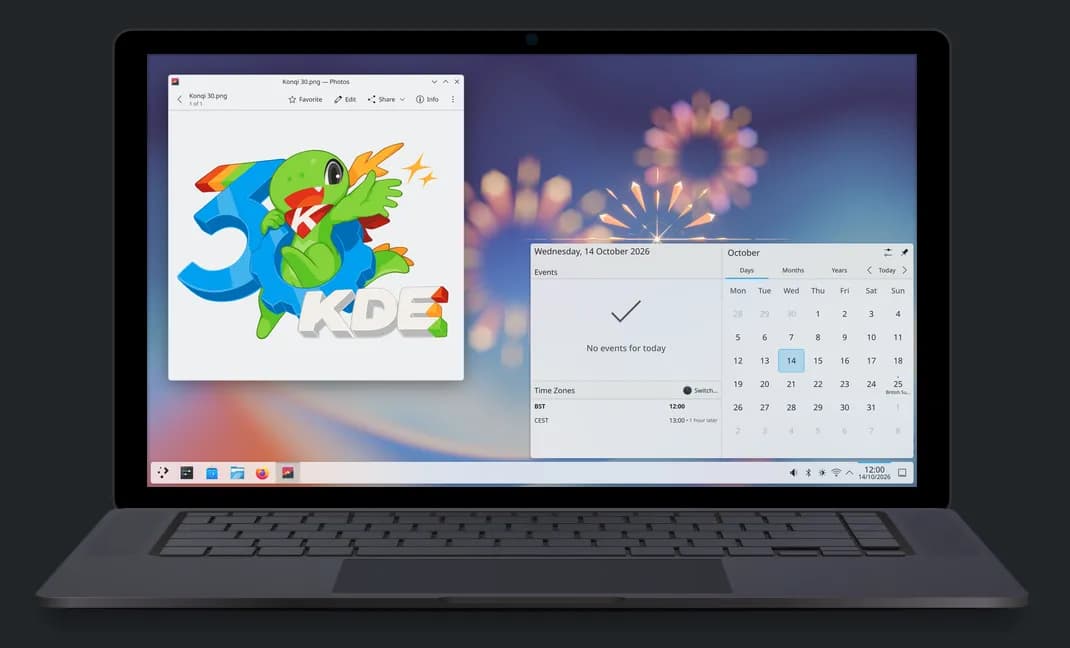
Three Decades of Community-Driven Software
Thirty years is an eternity in the fast-paced world of technology. When the KDE project first kicked off in the mid-1990s, the landscape of personal computing looked vastly different, and the idea of a cohesive, user-friendly graphical desktop for Unix-like operating systems was little more than an ambitious dream. Today, KDE stands as a pillar of the open-source community, having survived changing operating system paradigms, shifting desktop trends, and the relentless evolution of the web and hardware landscapes.
What began as an effort to bring consistency to Linux desktop environments has blossomed into a massive ecosystem of libraries, developer tools, and end-user applications. The project's longevity is a testament to the power of distributed, volunteer-driven collaboration. Over three decades, thousands of contributors have left their mark on the codebase, transforming KDE from a niche Unix utility into a modern, highly polished desktop experience rivaling any proprietary operating system on the market.
Unpacking the Plasma 6.8 Release
To mark this milestone anniversary, the KDE team has delivered Plasma 6.8, a release that emphasizes both underlying architectural stability and subtle user-facing refinements. Building upon the foundational shifts introduced earlier in the Plasma 6 lifecycle, this update polishes the overall desktop metaphor, addressing lingering performance bottlenecks and tightening integration across the entire software suite. Users will find smoother animations, better handling of multi-monitor setups, and refined color management pipelines designed for modern high-refresh-rate and HDR displays.
Under the hood, developers have focused heavily on reducing memory footprints and optimizing CPU usage during idle states. For a desktop environment that prides itself on being both feature-rich and customizable, maintaining lean resource utilization is a constant engineering challenge. Plasma 6.8 demonstrates that the project can introduce deep visual complexity without sacrificing the snappy responsiveness that power users and developers have come to expect from their Linux environments.
The Final Farewell to X11
Perhaps the most significant technical milestone accompanying this anniversary release is the official, definitive farewell to the X Window System. For decades, X11 served as the bedrock of graphical computing on Unix and Linux systems. However, its aging architecture, inherited design limitations regarding security, and inability to natively support modern display concepts like fractional scaling and robust compositing made it a growing liability.
By fully shifting focus to Wayland, KDE is aligning itself with the future of display protocols. Wayland offers improved security isolation between applications, eliminates screen tearing out of the box, and provides a much cleaner foundation for modern hardware acceleration. While the transition has required years of painstaking refactoring—rebuilding window management, screen recording, and input handling from the ground up—retiring X11 marks a monumental leap forward in technical debt reduction for the core desktop team.
Streamlining Maintenance with Remote Upgrades
In addition to core graphical updates, Plasma 6.8 introduces sophisticated improvements to system administration and maintenance workflows, most notably through enhanced remote upgrade capabilities. Managing updates across diverse Linux distributions can sometimes be fragmented, but KDE’s tooling continues to bridge the gap by offering unified, reliable interfaces for system-level operations.
These remote management features are particularly valuable for developers, system administrators, and enthusiasts managing headless servers, media centers, or remote workstations. By ensuring that package transactions and firmware updates can be handled securely and transparently from afar, KDE is broadening the appeal of its ecosystem beyond traditional desktop users into edge devices and distributed development environments.
Why This Milestone Matters for Developers
For software developers, the KDE project is much more than just a desktop environment; it is a sprawling, enterprise-grade framework built on top of Qt and C++. The longevity and stability of libraries like KDE Frameworks provide a robust foundation for building cross-platform applications that look and feel native on Linux, Windows, and macOS alike. When KDE modernizes its core display stack or refines its APIs, it directly impacts hundreds of downstream projects that rely on these tools.
Furthermore, KDE's unwavering commitment to open-source governance serves as a blueprint for sustainable software development. In an industry increasingly dominated by corporate-backed platforms and closed ecosystems, the ability of a decentralized community to maintain, evolve, and modernize a complex desktop stack over thirty years is both inspiring and critically important for maintaining developer choice and digital sovereignty.
Looking Ahead to the Next Decade
As the celebrations wind down and the reality of maintaining a massive open-source project sets in, the KDE community is already looking toward the horizon. The successful deprecation of legacy technologies like X11 frees up engineering bandwidth to tackle emerging paradigms, including deeper integration with artificial intelligence tooling, improved mobile adaptability through Plasma Mobile, and further enhancements to containerized application delivery via Flatpak.
The road ahead will undoubtedly bring new challenges, from shifting hardware standards to evolving security landscapes. However, having proven its resilience over thirty years of rapid technological transformation, KDE enters its fourth decade well-equipped to remain at the absolute vanguard of open-source desktop computing.
Conclusion
KDE’s 30th anniversary is more than just a nostalgic look back at three decades of code; it is a celebration of enduring technical vision. With the launch of Plasma 6.8, the final burial of X11, and smarter maintenance utilities, the project proves that mature open-source software can continually reinvent itself. For developers and Linux enthusiasts alike, KDE remains a shining example of what collective human ingenuity can achieve when driven by openness, freedom, and a passion for great software.
Source: arstechnica.com