
Tracing the Evolution of the Mac Studio: Power, Compactness, and Silicon

Introduction
When Apple first introduced the Mac Studio, it filled a glaring gap in the company’s hardware ecosystem. Positioned squarely between the consumer-friendly Mac mini and the modular, high-end Mac Pro, the Studio offered unprecedented compute density. It packaged desktop-class performance into a remarkably compact chassis that defied traditional notions of what a workstation needed to look like. Over successive generations, this machine has evolved not through radical redesigns of its exterior, but through relentless silicon innovation, internal refinement, and an expanding envelope of efficiency.
For developers, data scientists, and video editors alike, the trajectory of the Mac Studio offers a fascinating case study in hardware-software co-design. By leveraging Apple Silicon architecture, the machine has redefined performance-per-watt metrics in the professional desktop space. As we examine how the Mac Studio has changed over the years, we can observe a broader shift in how high-performance computing is delivered to the modern desk.
The Genesis of Compact Power
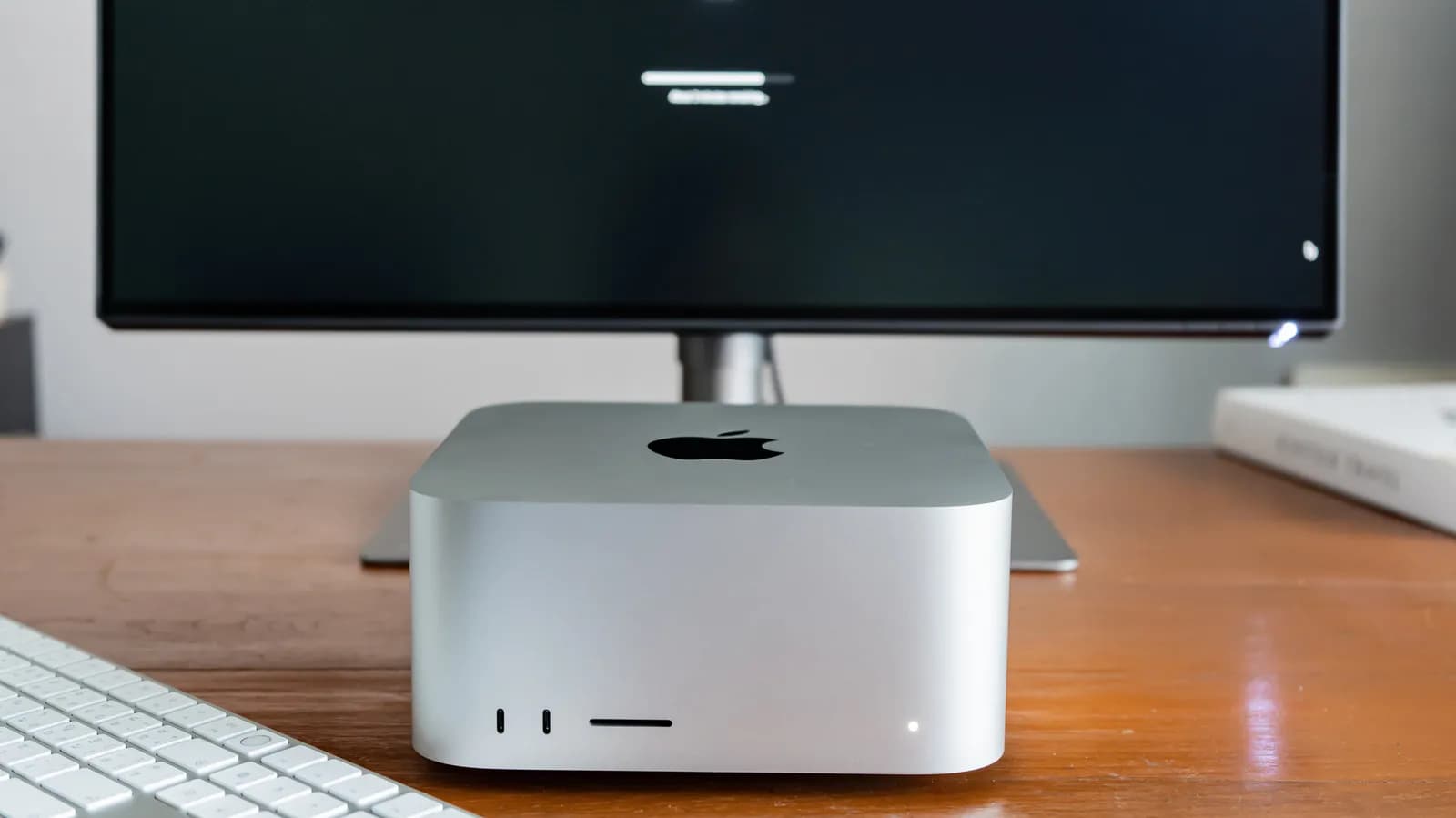
The initial release of the Mac Studio arrived at a pivotal moment in Apple’s silicon transition. Traditional workstations relied on massive cooling towers, loud multi-fan arrays, and power-hungry discrete components to achieve heavy multitasking and rendering speeds. The Mac Studio bypassed these conventions by utilizing a specialized thermal architecture paired with a remarkably dense, vertically stacked aluminum enclosure. It immediately captured the attention of professionals who needed raw processing muscle without sacrificing precious desk space.
Under the hood, those early models showcased the sheer potential of unified memory architecture. By placing high-bandwidth RAM directly alongside the CPU and GPU cores on a single package, Apple eliminated the latency bottlenecks inherent in traditional motherboard traces. This architectural choice proved transformative for workflows involving large datasets, heavy virtual machine allocations, and complex software compilation tasks, setting a new baseline for what a mid-form-factor desktop could accomplish.
Generational Shifts and Silicon Refinements
As subsequent iterations rolled out, Apple refined the internal plumbing and silicon capabilities of the Mac Studio. While the physical footprint remained largely identical—retaining the iconic square aluminum block with its intricate thermal intake matrix on the base—the processing capabilities grew exponentially. Moving from the initial Max and Ultra chips to more advanced fabrication nodes yielded tangible gains in both single-core execution speed and parallelized throughput.
These incremental updates were not merely about higher clock speeds or larger cache sizes. They represented a methodical expansion of the machine's capabilities, particularly in machine learning acceleration and media engine performance. Specialized blocks of silicon dedicated to neural processing and hardware-accelerated video codecs meant that tasks which previously required dedicated PCIe accelerator cards could now be handled natively on the SoC, reducing power draw and thermal output simultaneously.
Implications for Software Development and Workflows
For the developer community, the evolution of the Mac Studio has fundamentally changed local development environments. Compiling massive codebases, running multiple containerized services, and executing local large language models or machine learning training loops no longer strictly require a rack-mounted server or a loud, heat-emitting tower. The unified memory pool allows developers to load massive models directly into VRAM equivalent space, bypassing the traditional bottlenecks of discrete GPU memory limitations.
Furthermore, the quiet operation of the machine under heavy sustained loads has altered the modern workspace. Because the thermal design handles prolonged compilation tasks and rendering pipelines without aggressive, disruptive fan noise, developers can maintain intense focus during heavy computational workloads. This shift toward silent, high-density computing highlights a broader industry trend where efficiency and acoustics are treated as primary engineering constraints rather than secondary considerations.
Design Philosophy and Form Factor Stability
One of the most striking aspects of the Mac Studio's evolution is its visual and structural consistency. While traditional PC hardware often undergoes frequent chassis redesigns to accommodate larger GPUs or altered motherboards, Apple has maintained the same external form factor. This stability is largely driven by the thermal efficiencies of Apple Silicon, which allows engineers to focus entirely on internal layout optimization rather than expanding exterior volume to cope with runaway thermal dissipation.
This design philosophy brings distinct advantages to professional environments. Peripheral setups, desk mounts, and rack-shelving solutions designed for the first generation remain entirely compatible with newer models. It demonstrates that when a hardware architecture is fundamentally sound and tightly integrated, generational performance leaps can be achieved entirely within a static, mature physical envelope.
The Balancing Act of Repairability and Integration
Despite its many technical triumphs, the evolution of the Mac Studio also highlights ongoing industry debates surrounding modern workstation design. The extreme integration of CPU, GPU, and memory onto a single package means that post-purchase upgrades are virtually non-existent. Users must configure their machines with sufficient unified memory and storage at the time of purchase, as traditional component-level upgrades are structurally impossible.
While this trade-off is the direct enabler of the machine's incredible memory bandwidth and power efficiency, it forces professionals to carefully forecast their future computational needs. For enterprise environments and individual power users alike, this requires a shift in procurement strategy, prioritizing maximum initial specification over modular longevity.
Conclusion
The Mac Studio has matured into a cornerstone of Apple’s professional hardware lineup, proving that compact desktop computers do not have to compromise on heavy-duty performance. Through continuous advancements in silicon engineering, unified memory architecture, and thermal design, each generation has pushed the boundaries of what is possible in a desktop footprint. For developers and creators navigating increasingly complex computational tasks, the Mac Studio stands as a compelling example of how modern hardware integration continues to shape the future of productivity.
Source: engadget.com