
Why Keychron's Thunderbolt 5 Dock Marks a Shift in Peripheral Engineering

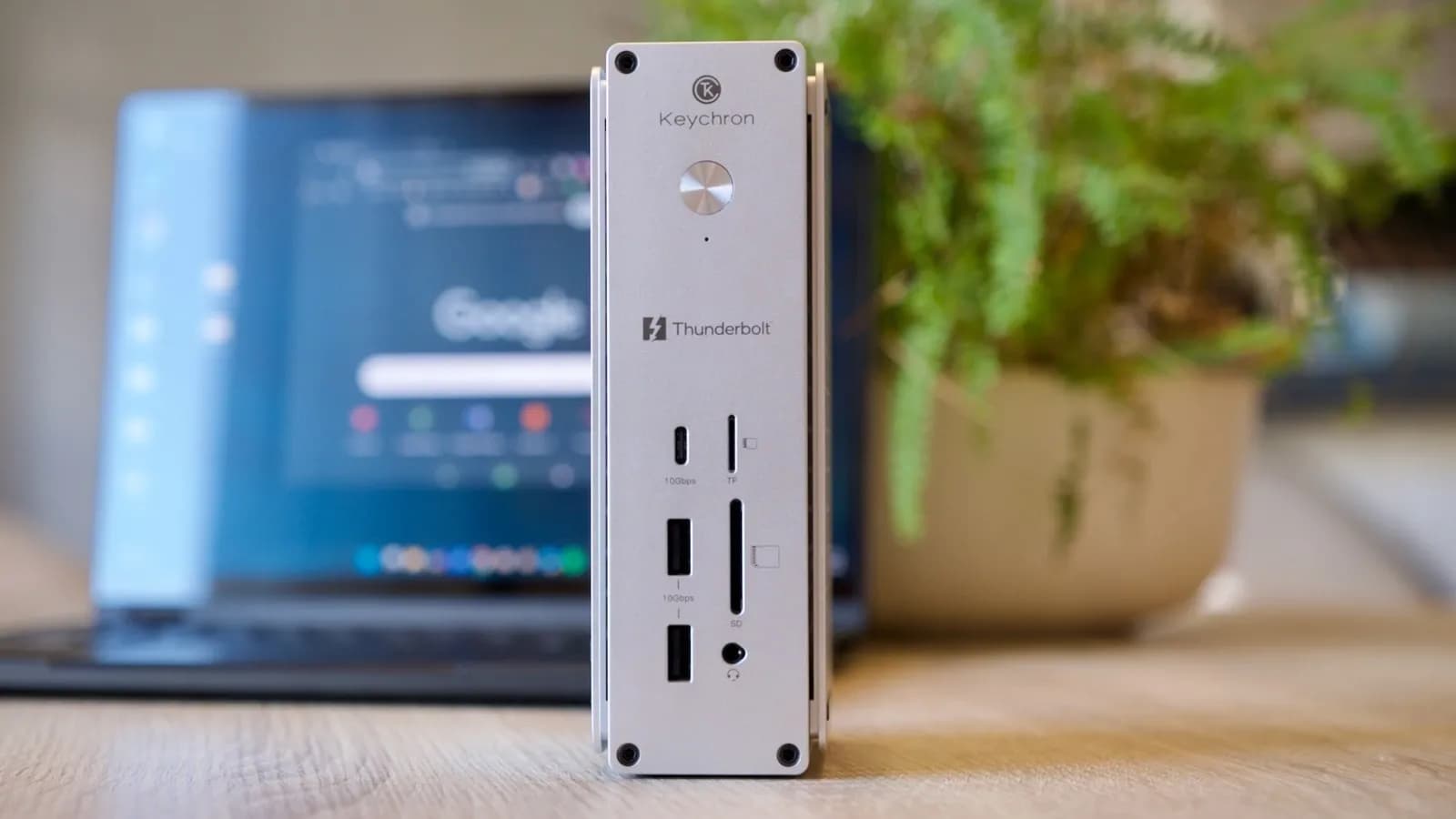
The Evolution of Desktop Connectivity
For decades, the peripherals landscape was heavily segmented. Companies specialized in specific niches—one brand made keyboards, another built monitors, and a completely different set of vendors handled power adapters and docking stations. However, as modern computing demands higher bandwidth, faster display refresh rates, and more versatile power delivery, the lines between these hardware categories have begun to blur. Developers and power users now push their desktop setups further than ever, demanding single-cable solutions that can effortlessly bridge laptops with multi-monitor workstation rigs.
Against this backdrop of rising hardware expectations, peripheral brands are finding new avenues for expansion. Companies rooted in enthusiast culture are leveraging their understanding of desk ergonomics and hardware integration to tackle broader workspace infrastructure. The introduction of high-bandwidth docking solutions by niche manufacturers signals a broader shift in how hardware ecosystems are curated, moving away from fragmented proprietary dongles toward unified, high-performance interface hubs.
Decoding the Thunderbolt 5 Standard
To understand the significance of a modern high-end dock, one must examine the underlying connectivity standard. Thunderbolt 5 represents a monumental leap forward in I/O capabilities, offering massive bidirectional bandwidth that far exceeds its predecessors. By utilizing advanced signaling techniques, it accommodates ultra-high-resolution displays alongside blazing-fast external storage arrays without suffering from the bandwidth bottlenecks that plagued earlier generations of USB-C and Thunderbolt hardware.
For software engineers, data scientists, and creative professionals, this massive data pipeline is a game-changer. Working directly with enormous repositories, training local machine learning models on external GPUs, or driving multiple high-refresh-rate 4K monitors simultaneously no longer requires a rat's nest of specialized cables. A properly engineered Thunderbolt 5 hub acts as a singular gateway, turning a portable notebook into a heavyweight desktop powerhouse in a matter of seconds.
A Pragmatic Approach to High-End Docks
High-end connectivity hubs have historically suffered from a few persistent flaws: excessive thermal output, overly aggressive aesthetic choices, and a lack of practical port selection in favor of superficial flashiness. Many previous iterations prioritized form over function, leading to unreliable connections and frustrating peripheral dropouts under heavy loads. A sensible approach to dock design focuses instead on thermal dissipation, stable power delivery, and an intuitive layout that respects the realities of a crowded desk.
By stripping away unnecessary gimmicks and focusing on robust internal architecture, newer market entries are proving that utility can coexist with premium build quality. Thoughtful port placement—keeping high-bandwidth connections easily accessible while tucking permanent power and display cables out of sight—demonstrates a deep understanding of daily desk workflows. This pragmatic design philosophy resonates strongly with technical users who value reliability above all else.
Implications for Developers and Power Users
The daily workflow of a software developer involves heavy I/O operations, continuous compilation, multiple containerized environments, and sprawling multi-display setups. Bottlenecks in any part of this hardware chain can disrupt focus and degrade productivity. The widespread adoption of high-bandwidth hubs ensures that developers can connect to desktop-grade peripherals, mechanical keyboards, local network storage, and external displays through a single, dependable umbilical cord.
Furthermore, the physical resilience of these devices matters immensely. Desks are dynamic environments where cables are constantly plugged, unplugged, and rearranged. Hardware engineered to withstand high thermal loads and frequent data transfers reduces the friction of transitioning between mobile working environments and stationary desk setups. It eliminates the ritualistic troubleshooting of display scaling issues and unresponsive USB controllers that has long plagued remote and hybrid work models.
Navigating Trade-Offs and Ecosystem Costs
Despite the undeniable technological advantages of cutting-edge connectivity standards, adopting new hardware ecosystems always involves careful cost-benefit analysis. High-end hubs command a significant price premium, reflecting the complex silicon and rigorous certification processes required for compliance. Users must evaluate whether their current machine and daily tasks genuinely saturate the immense bandwidth offered by the latest connection protocols, or if standard USB4 solutions would suffice for their workflows.
Moreover, hardware compatibility remains a nuanced consideration across different operating systems and CPU architectures. While modern standards strive for universal plug-and-play functionality, subtle firmware quirks and driver implementations can occasionally cause friction. Power users must weigh the benefits of future-proofing their desk setup against the immediate financial outlay required to upgrade every link in their hardware chain.
The Future of Desktop Workspaces
As external displays push higher resolutions, local development environments demand faster storage speeds, and the expectation of seamless hybrid work persists, the infrastructure of the desk will continue to evolve. The convergence of different peripheral manufacturers into the high-end connectivity space demonstrates that the market is maturing past simple adapter dongles into sophisticated workspace management solutions.
Ultimately, the rise of sensible, high-performance docking hardware points toward a cleaner, more reliable computing experience. For professionals who spend their days building digital systems, having a physical foundation that 'just works' is invaluable. As these technologies trickle down and mature, they will redefine the baseline expectations for how we tether our portable computing tools to the physical world.
Source: engadget.com