
Why Nothing's New Flagship Headphones Are Winning Over Audio Engineers and Developers

Challenging the Consumer Audio Paradigm
The consumer audio market has long been dominated by heavily colored sound profiles. Manufacturers routinely bake aggressive V-shaped equalizations into their hardware, boosting booming sub-bass and crisp highs to deliver an instant, exciting punch that appeals to the casual listener. While this approach might make pop music or cinematic trailers sound thrilling right out of the box, it presents a massive hurdle for creators, audio engineers, and developers working on immersive soundscapes who require absolute fidelity and transparency. When a hardware manufacturer bucks this entrenched industry trend by introducing a flat frequency response, it signals a major shift in how consumer devices bridge the gap between casual entertainment and professional utility.
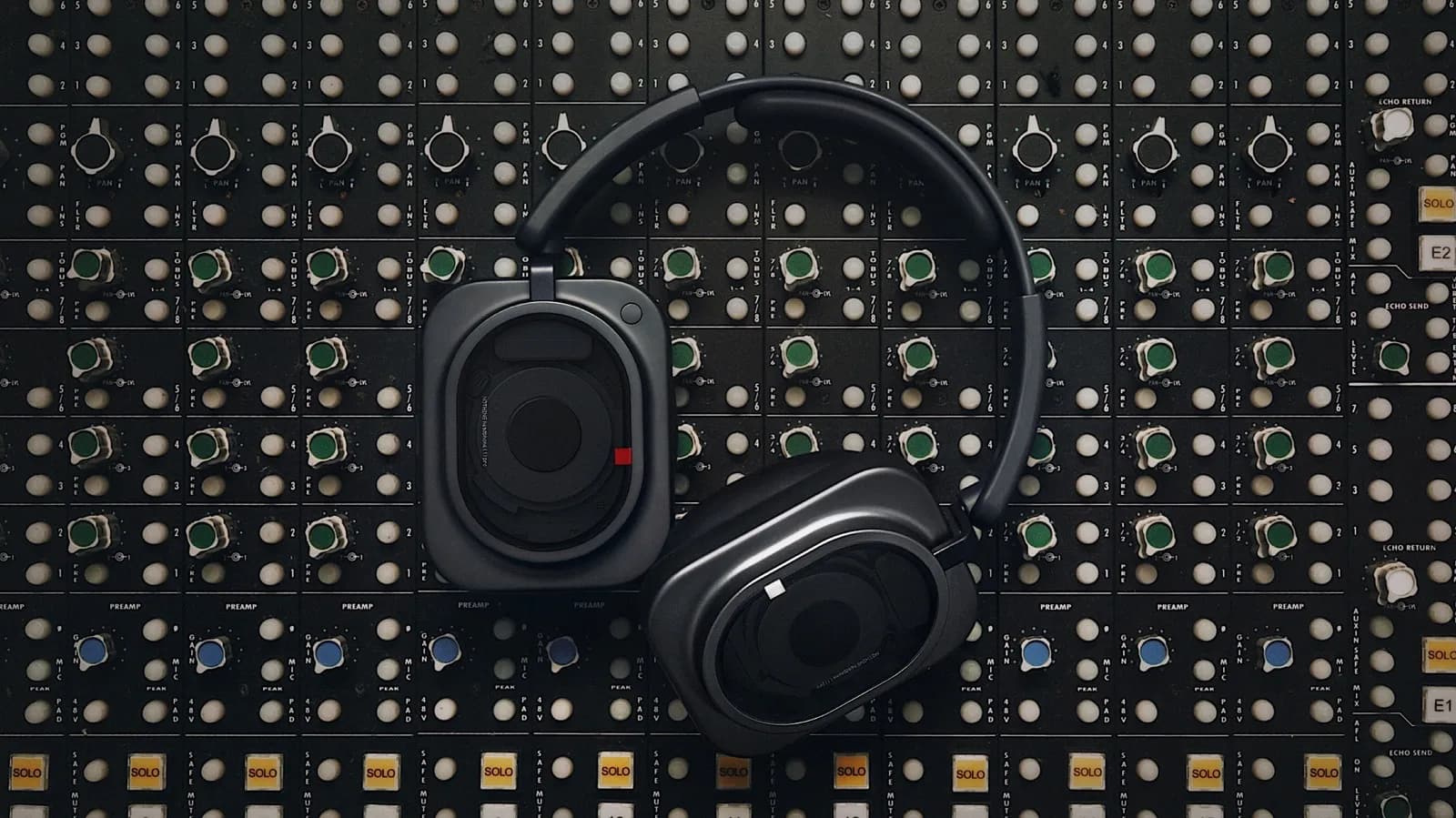
Nothing's entry into the professional-adjacent hardware space with its latest flagship headphones marks an intriguing pivot for a brand previously celebrated almost entirely for its transparent industrial design and lifestyle marketing. By integrating a flat EQ option directly into its hardware ecosystem, the company is quietly acknowledging that its user base extends far beyond trend-conscious consumers. Many modern software developers, content creators, and hobbyist musicians are looking for versatile gear that can transition seamlessly from coding soundtracks to mixing podcasts, all without requiring expensive, specialized studio monitoring hardware.
The Technical Appeal of a Flat Frequency Response
For anyone who spends their days writing code, editing video, or designing audio engines, the concept of a flat frequency response is paramount. A flat EQ ensures that no single part of the audio spectrum—whether it is low-end thump, midrange vocal clarity, or high-end shimmer—is artificially amplified or suppressed by the playback device. This neutrality is essential for accurate mixing and mastering, as it allows creators to hear their audio assets exactly as they were recorded, rather than through the tinted lens of consumer-focused sound engineering.
Implementing this physically and digitally within a wireless, feature-rich consumer headset is no small engineering feat. Achieving true neutrality requires careful driver tuning, robust digital signal processing (DSP), and often high-end acoustic dampening materials. When hardware vendors manage to balance active noise cancellation, smart connectivity, and a flat acoustic profile at a competitive price point, it democratizes tools that were previously locked behind expensive professional audio brands. Developers and multimedia creators benefit immensely when their everyday carry gear can double as a reliable reference monitor.
Shifting Priorities in Modern Hardware Design
The broader technology landscape has seen a fascinating convergence where consumer electronics increasingly borrow features from enterprise and professional segments. Users today demand longevity, reparability, and modular customization from their devices. By offering pro-level acoustic calibration alongside consumer-friendly aesthetics, hardware designers are realizing that contemporary buyers reject false dichotomies. A pair of headphones does not have to look like an uninspired piece of studio gear to sound accurate, nor does it have to sacrifice acoustic precision just because it features modern wireless connectivity and touch controls.
This design philosophy reflects a maturing consumer base. Tech enthusiasts and software engineers often appreciate transparency—both in software code and physical product architecture. When a company strips away unnecessary digital sound processing tricks in favor of acoustic honesty, it appeals directly to technical minds who value raw performance and predictable behavior over algorithmic embellishments. It is an approach that resonates deeply with people who prefer their tools to get out of the way and let the underlying work speak for itself.
Implications for Developers and Content Creators
For independent software developers and digital creators working remotely or in hybrid environments, hardware versatility is a critical factor in daily productivity. Audio cues, notification systems, spatial audio implementations, and game sound effects all require precise monitoring during development. Having access to a reliable, flat-response listening device right at your desk or in a coffee shop drastically reduces the friction of the creative workflow. You no longer need to constantly switch between consumer earbuds and clunky studio cans just to verify how a mix translates across different environments.
Furthermore, the democratization of professional features in mid-tier hardware lowers the barrier to entry for aspiring audio designers and indie game developers. When high-end functionality becomes accessible at a fraction of traditional studio gear costs, more creators can experiment with complex audio pipelines and immersive sound design without breaking their equipment budgets. This accessibility ultimately fosters richer, higher-quality digital experiences across the entire software and entertainment ecosystem.
Balancing Consumer Conveniences with Professional Demands
Of course, building a bridge between consumer convenience and professional utility introduces unique design challenges. Professional audio gear is typically engineered with durability, modular repair options, and wired reliability as top priorities, whereas consumer headphones often emphasize sleek aesthetics, lightweight comfort, and seamless Bluetooth pairing. Merging these two worlds means making deliberate trade-offs, such as ensuring that the low-latency wireless transmission does not introduce artifacts that interfere with real-time audio monitoring or software debugging sessions.
Another hurdle lies in user education. The vast majority of mainstream consumers are so accustomed to exaggerated bass profiles that a truly flat EQ can initially sound underwhelming or thin. Manufacturers attempting to cater to both audiences must provide intuitive software toggles or companion apps that allow users to switch effortlessly between an enhanced listening profile for leisure and a neutral profile for productivity. Successfully executing this dual identity requires meticulous software design and clear UX pathways.
Looking ahead, this trend points toward an exciting future where the lines separating consumer gadgets and professional production tools continue to blur. As components become more efficient and acoustic engineering matures, hardware makers will face mounting pressure to offer uncompromising performance across all price tiers. For developers and tech enthusiasts, this means more choices that respect our intelligence, our workflows, and our ears.
Final Thoughts
The introduction of professional-grade features like a flat EQ into competitively priced consumer headphones highlights a refreshing shift toward authenticity in hardware engineering. By catering to the demands of creators and technical users without alienating everyday listeners, manufacturers are proving that smart design can serve multiple masters. As this trend expands, it will undoubtedly empower a new generation of developers and creators to build better, better-sounding digital experiences.
Source: engadget.com