
Exploring Google's AI Game Playground: What Creative Experiments Reveal About Generative Models

Introduction to AI-Generated Gaming Experiments
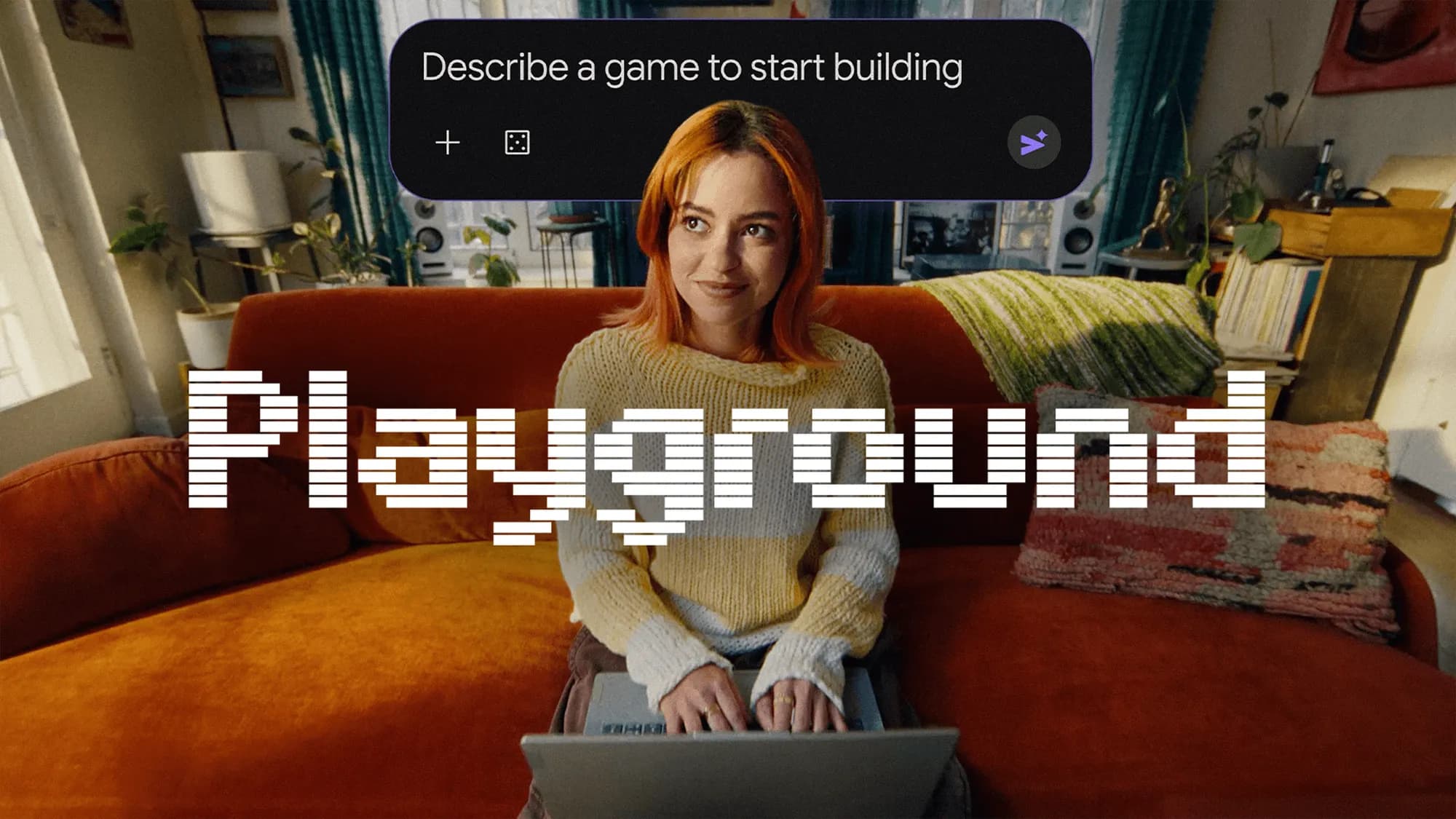
The intersection of generative artificial intelligence and video game development has long been a subject of intense fascination and skepticism. While industry leaders and independent creators alike ponder how large language models and multimodal systems might streamline coding, asset generation, and narrative design, everyday developers and enthusiasts are putting these capabilities to the test in unexpected ways. Google’s experimental AI playgrounds offer a unique sandbox where users can prompt their way into interactive experiences, pushing the boundaries of what automated code and content synthesis can achieve in real-time.
Yet, venturing into these playgrounds often yields results that are equal parts impressive and utterly chaotic. Building interactive logic entirely through conversational prompts forces developers to confront the glaring limitations of current models, from bizarre state-management bugs to surreal, dream-logic narratives. Far from replacing traditional game engines, these tools provide a fascinating lens through which we can evaluate the current state of generative tech, shedding light on where automated systems excel and where they fundamentally stumble when tasked with creative execution.
The Promise and Reality of Conversational Game Creation
At first glance, the concept of building a video game purely through natural language is the ultimate realization of democratized software development. The premise suggests a future where anyone with a creative vision can bypass the steep learning curve of languages like C++, C#, or GDScript, simply describing their mechanics to an intelligent assistant that writes, compiles, and runs the code instantly. Google’s experimental interfaces lean heavily into this frictionless paradigm, inviting users to dream up arcade classics, text adventures, and physics simulations on the fly.
In practice, however, bridging the gap between human intent and machine execution remains a turbulent journey. Natural language is inherently ambiguous, whereas code requires strict, deterministic logic. When an AI attempts to translate a vague prompt like "make a platformer where the player is a bouncing cat fighting existential dread" into executable code, the resulting architecture is often brittle. State variables drift, collision detection fails in imaginative ways, and gameplay loops collapse under their own weight. This friction highlights why developers continue to rely on robust frameworks rather than pure prompt-based generation for production-ready software.
Navigating the Code Slop: Understanding Model Hallucinations
One of the most defining characteristics of building software with early-stage AI tools is the phenomenon colloquially known as code slop—a dense, chaotic mass of generated functions, redundant variables, and unpredictable logic paths that somehow manages to compile just enough to run. Because language models predict the next most likely token rather than architecting a system with long-term maintainability in mind, they frequently stitch together disjointed APIs, invent non-existent library functions, and handle edge cases by simply ignoring them.
When utilizing Google's playgrounds to construct games, this manifests as bizarre software behavior. Characters might phase through geometry, scoring systems might increment randomly without player input, and physics engines can suddenly decide to reverse gravity because a poorly phrased instruction confused the underlying transformer model. For a seasoned developer, debugging these generated artifacts can sometimes take longer than writing the code from scratch. It requires a deep understanding of standard software patterns to untangle the messy logic the AI leaves in its wake.
Why Creative Prototyping Still Holds Value
Despite the humorous bugs and structural instability of AI-generated games, dismissing these experiments entirely would be a mistake. For professional software engineers and game designers, experimental playgrounds serve a valuable purpose in the early phases of ideation. They act as a high-speed sketching tool, allowing creators to test unconventional mechanics, weird artistic concepts, or absurd control schemes in a matter of seconds before committing real engineering effort to a prototype.
Furthermore, these tools challenge our traditional assumptions about game design. When an AI misunderstands a prompt in a creative way, it can accidentally introduce mechanics that a human designer would never have conceived. A broken jump arc or an erratic enemy AI routine might spark an entirely new gameplay genre or stylistic direction. In this sense, the chaotic nature of generative models becomes a feature rather than a bug, functioning as an unpredictable muse that pushes creators outside their comfort zones.
Implications for the Future of Developer Tooling
As tech giants like Google continue to refine their generative models, the underlying architecture powering these experimental playgrounds is evolving rapidly. We are moving away from simple text-in, text-out interfaces toward deeply integrated multimodal environments capable of generating sprite sheets, audio cues, level layouts, and game scripts simultaneously. These advancements signal a major shift in how junior developers and indie creators might approach prototyping in the coming years, lowering the barrier to entry for complex software systems.
At the same time, these tools raise important questions about the future of technical literacy. If AI handles the heavy lifting of boilerplate code and initial scaffolding, developers must cultivate stronger architectural oversight and debugging skills to ensure the resulting software is secure, performant, and stable. Understanding how to curate, correct, and steer generative outputs will likely become a core competency for the next generation of software engineers, transforming coding from an act of manual typing into an act of high-level editing and orchestration.
Closing Thoughts
Diving into Google’s AI game playground is a humbling reminder that generative artificial intelligence is still very much an experimental medium. While the output is frequently hilarious, broken, and structurally unsound, it offers a crucial glimpse into the trajectory of software creation. As these models grow more sophisticated, the line between deliberate design and algorithmic serendipity will continue to blur, forever changing how we conceptualize and build interactive experiences.
Source: wired.com