
Inside Apple's Image Playground: Generative AI Comes to the Ecosystem
A deep dive into Apple's Image Playground app, exploring its feature set, architectural approach to on-device generative AI, and what it means for developers.


A deep dive into Apple's Image Playground app, exploring its feature set, architectural approach to on-device generative AI, and what it means for developers.
Apple has strengthened its App Store Review Guidelines with explicit prohibitions against AI tools designed to generate nonconsensual intimate imagery, raising the compliance bar for mobile developers.

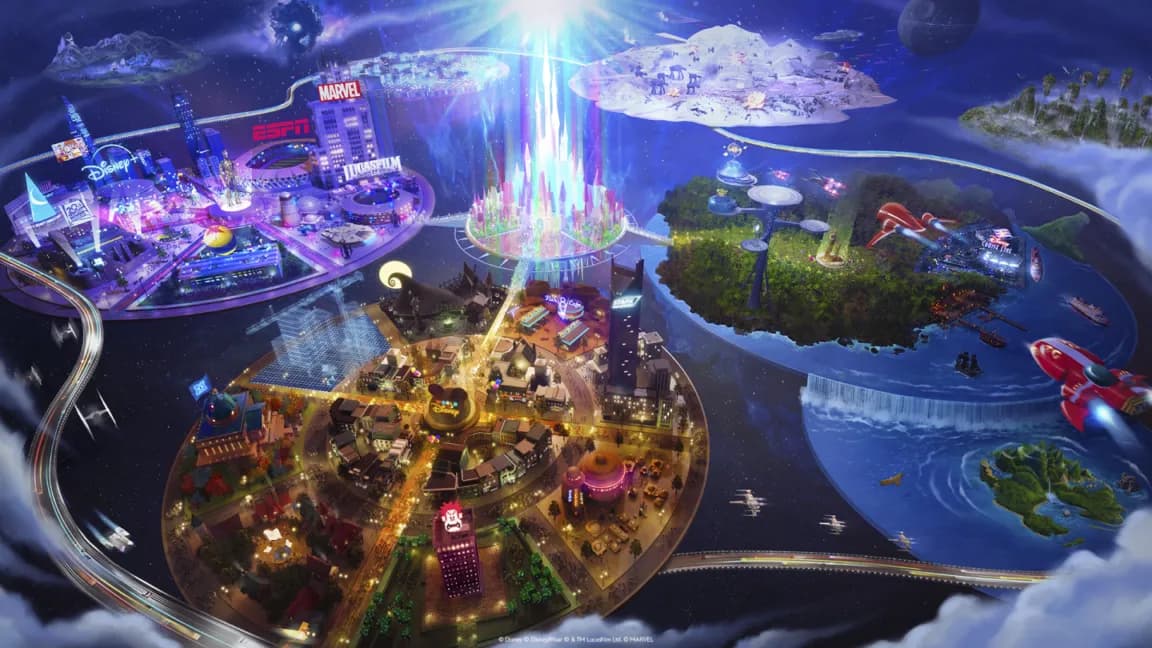
Epic Games has reportedly postponed its major Disney-themed virtual universe project to mandate the use of generative AI tools across programming and art pipelines. The decision spotlights growing friction between cost-saving automation and software engineering craftsmanship.

Epic Games is reportedly pivoting its development strategy for delayed major franchise titles, embracing an AI-first paradigm that minimizes traditional human coding and asset creation.

An in-depth look at using Google's experimental AI tools to build video games, highlighting the current capabilities, absurd outputs, and practical implications for generative software development.

Kevin Roose's decision to author his book entirely without artificial intelligence highlights a growing irony in the tech literature space: those writing about the machine age are still relying purely on biological intelligence.

ChatGPT now integrates advanced image generation to let users virtually try on clothing items, merging generative AI with e-commerce.

As major AI labs roll out tools specifically tailored for the legal sector, developers and practitioners are examining whether these systems can finally eliminate hallucinations and fictitious case citations.

While traditional publishing grapples with generative AI, an increasing number of readers are bypassing commercial books entirely to generate hyper-niche, interactive stories tailored for an audience of one.

A heated debate over whether Fenix Flexin’s hit song 'Rubberz' was generated by an AI app highlights the rapid blurring of human craftsmanship and synthetic music production in mainstream hip-hop.

Recent findings highlight how open-source image editing models hosted on Hugging Face can be easily exploited to produce explicit deepfakes, raising urgent questions about open AI governance.

When literary icon Dave Eggers addressed OpenAI's staff, he delivered a stark warning about how generative AI threatens to strip humanity of its most vital tool for self-discovery: the struggle of writing.