
Meta Pauses Share Links for AI Assistant After Flaw Exposes Private Chats

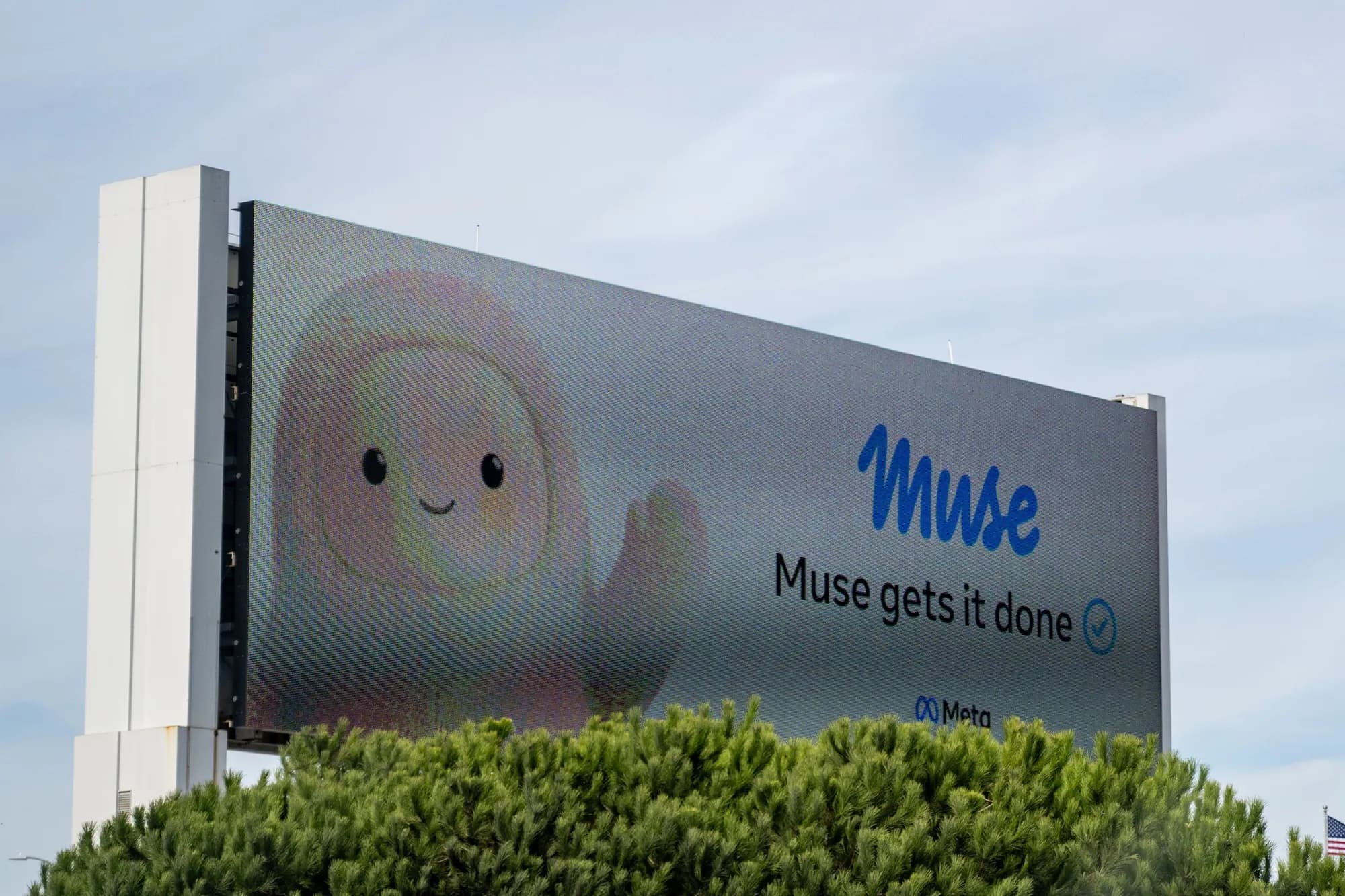
The rapid proliferation of generative artificial intelligence assistants in our daily workflows has introduced a brand-new attack surface that security researchers are only beginning to map. Recently, a critical design vulnerability in Meta's AI assistant ecosystem brought this reality into sharp focus. By exploiting a straightforward oversight in how chat transcripts were generated and indexed via public share links, unauthorized individuals could harvest private user dialogues with absolute ease. The fallout was swift: Meta was forced to pull the plug on the sharing feature entirely while engineering teams scramble to audit their access controls and privacy guarantees.
This incident is more than just a momentary engineering glitch; it serves as a stark reminder of the delicate balance between social-sharing utility and absolute user privacy in modern LLM applications. As tech giants race to add collaborative features—such as shareable chat logs, team workspaces, and prompt-sharing libraries—they frequently inherit legacy web security challenges, wrapped in the unpredictable wrapper of unstructured natural language data. When a user queries an AI assistant, they often drop their guard, treating the dialogue window like a private diary. Exposing those intimate exchanges through a predictable or overly permissive URL structure highlights a profound disconnect between product growth incentives and defensive security postures.
The Anatomy of the Flaw: From Private Dialogues to Public Exposure
At the core of the issue was the implementation of the chat sharing mechanism itself. When platforms introduce features that allow users to generate a web link for a specific thread, they typically assign a unique identifier or token to that conversation. Ideally, these tokens must be cryptographically secure, unguessable, and strictly bound to authorization checks that verify the viewer has permission to access the resource. In the case of Meta's Muse AI assistant, however, researchers found that the architecture governing these shared instances failed to adequately enforce perimeter security, or relied on predictable patterns that allowed scrapers and malicious actors to iterate through endpoints.
What made this flaw particularly alarming was the nature of the data involved. Unlike traditional document-sharing systems where users explicitly choose a public audience, AI chat logs often contain a chaotic mix of sensitive personal information, proprietary code snippets, medical queries, and unreleased business strategies. Because users frequently forget that an AI interface is a cloud-hosted service connected to complex data pipelines, they entrust the system with deeply confidential details. When design flaws bypass the intended consent barrier, the blast radius of a compromised link extends far beyond a simple file leak, exposing the psychological and contextual nuances of human-machine interaction.
The Urgency of Defensive Engineering in the Generative AI Era
For software engineers and security architects building conversational AI systems, this episode underscores the vital necessity of zero-trust design principles. Traditional web applications are judged by how securely they handle CRUD operations, database entries, and user authentication tokens. LLM applications, however, introduce a massive volume of unstructured text data that gets logged, cached, indexed, and sometimes exposed via developer-facing APIs or UI shortcuts. Securing these environments requires treating every generated asset—including conversational transcripts—as highly sensitive payload that demands rigorous access control layers.
Furthermore, the race-to-market dynamic that characterizes the current AI landscape often marginalizes rigorous threat modeling. Product teams are under intense pressure to deliver viral engagement features, mirroring the social media playbook where sharing content is frictionless by default. Yet, applying a frictionless sharing model to an inference engine that digests intimate human input is fundamentally hazardous. Developers must push back against premature feature rollouts, insisting on comprehensive penetration testing and secure-by-design reviews before exposing any vector that bridges private LLM chats to the open web.
Mitigation Strategies and Immediate Industry Reactions
In response to the discovery, Meta's immediate action—suspending the share links feature entirely—demonstrates a proper triage mentality. When active vulnerabilities threaten user data at scale, rolling back the capability is the only responsible course of action while forensic analysis and remediation take place. However, a simple rollback is only the first step. Engineering teams must now systematically review how their frontend components communicate with backend databases, ensuring that public-facing endpoints are hermetically sealed against enumeration attacks, unauthorized crawling, and IDOR (Insecure Direct Object Reference) vulnerabilities.
Beyond fixing the specific endpoint, the broader industry must adopt standardized guardrails for AI chat artifacts. This includes implementing short-lived tokens for shared links, requiring explicit two-factor authentication or account logins to view shared transcripts, and providing users with granular controls to scrub or un-publish their data instantly. AI safety is no longer just about output alignment and prompt injection defense; it encompasses the entire lifecycle of data storage, transmission, and retrieval across cloud infrastructure.
Developer Takeaways and the Future of AI UX
For the wider developer community, this incident provides a masterclass in the unintended consequences of feature creep in AI tooling. As we build applications powered by large language models, we are handling a brand-new asset class of user data that demands unprecedented levels of confidentiality. Developers should audit their own applications for similar risks, particularly if they feature prompt-sharing marketplaces, team chat histories, or public export utilities. Assuming that obscure URLs provide adequate security is a catastrophic anti-pattern that security teams can no longer afford to tolerate.
Ultimately, restoring and maintaining user trust is the single greatest currency for companies deploying AI assistants. If users believe their private brainstorms, code reviews, and personal confessions can be accidentally leaked via poorly secured sharing links, they will retreat from deep engagement or abandon the tools altogether. Security must be baked into the foundational UX of AI products, ensuring that the convenience of collaboration never comes at the cost of fundamental data privacy.
Source: wired.com