Meta Pauses Share Links for AI Assistant After Flaw Exposes Private Chats
Meta halts its AI chat sharing feature following security findings that revealed how simple it was for outside actors to access confidential user conversations.
Meta halts its AI chat sharing feature following security findings that revealed how simple it was for outside actors to access confidential user conversations.
Meta's revamped commercial terms of service have ignited criticism from legal analysts who argue the language enables the tech giant to harvest user and business content for AI training without paying licensing fees.

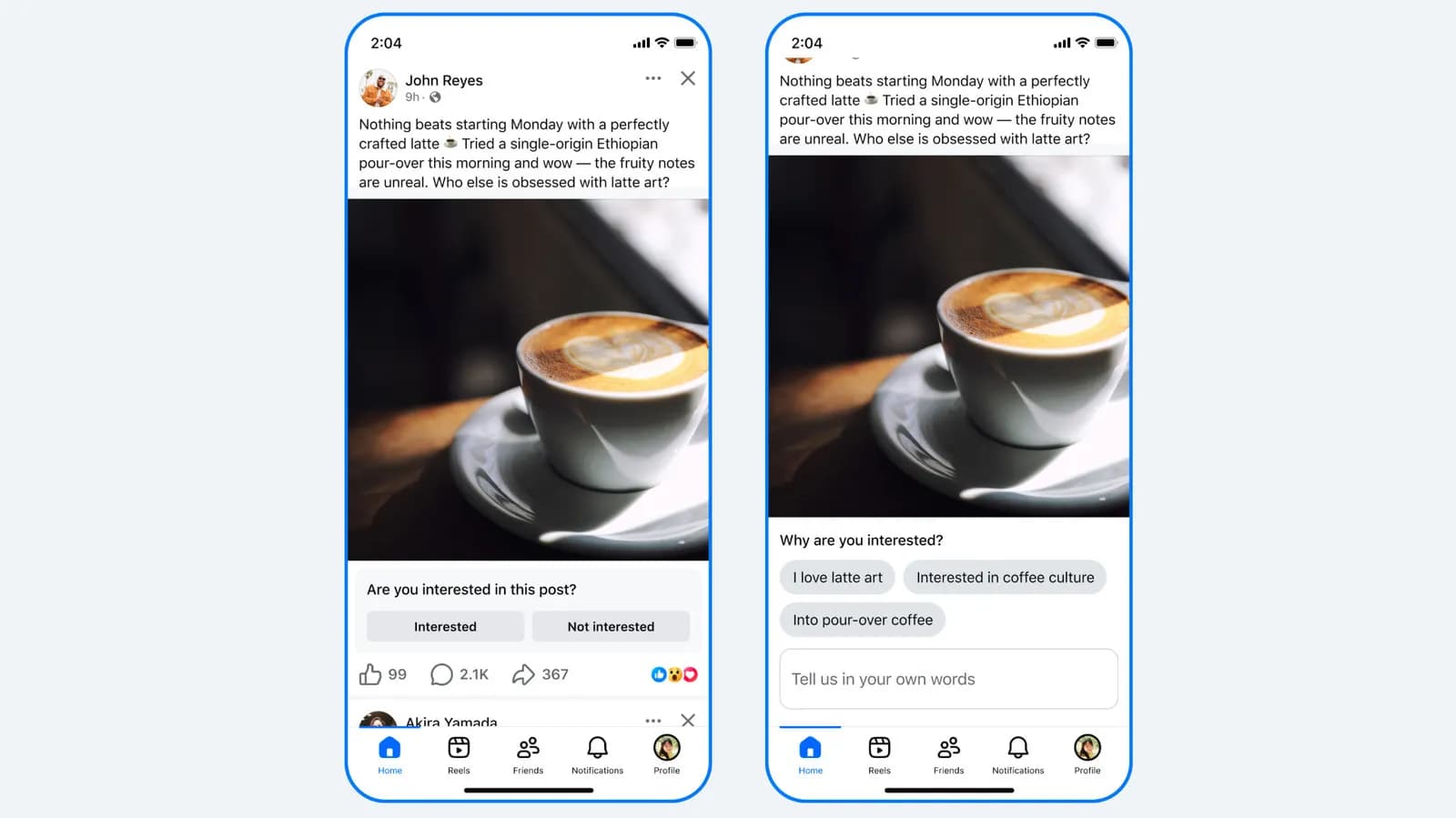
Meta is introducing new ways for users to influence their Facebook and Instagram feeds, signaling a potential shift in how algorithmic curation handles personal preferences.

Meta has introduced a massive new flagship AI model engineered to rival top-tier competitors, emphasizing advanced guardrails that prevent autonomous agents from running off course.

Meta claims to have matched frontier AI capabilities with its new Wonder models, introducing architectural shifts like active memory and dynamic focus to tackle complex reasoning and long-term context.

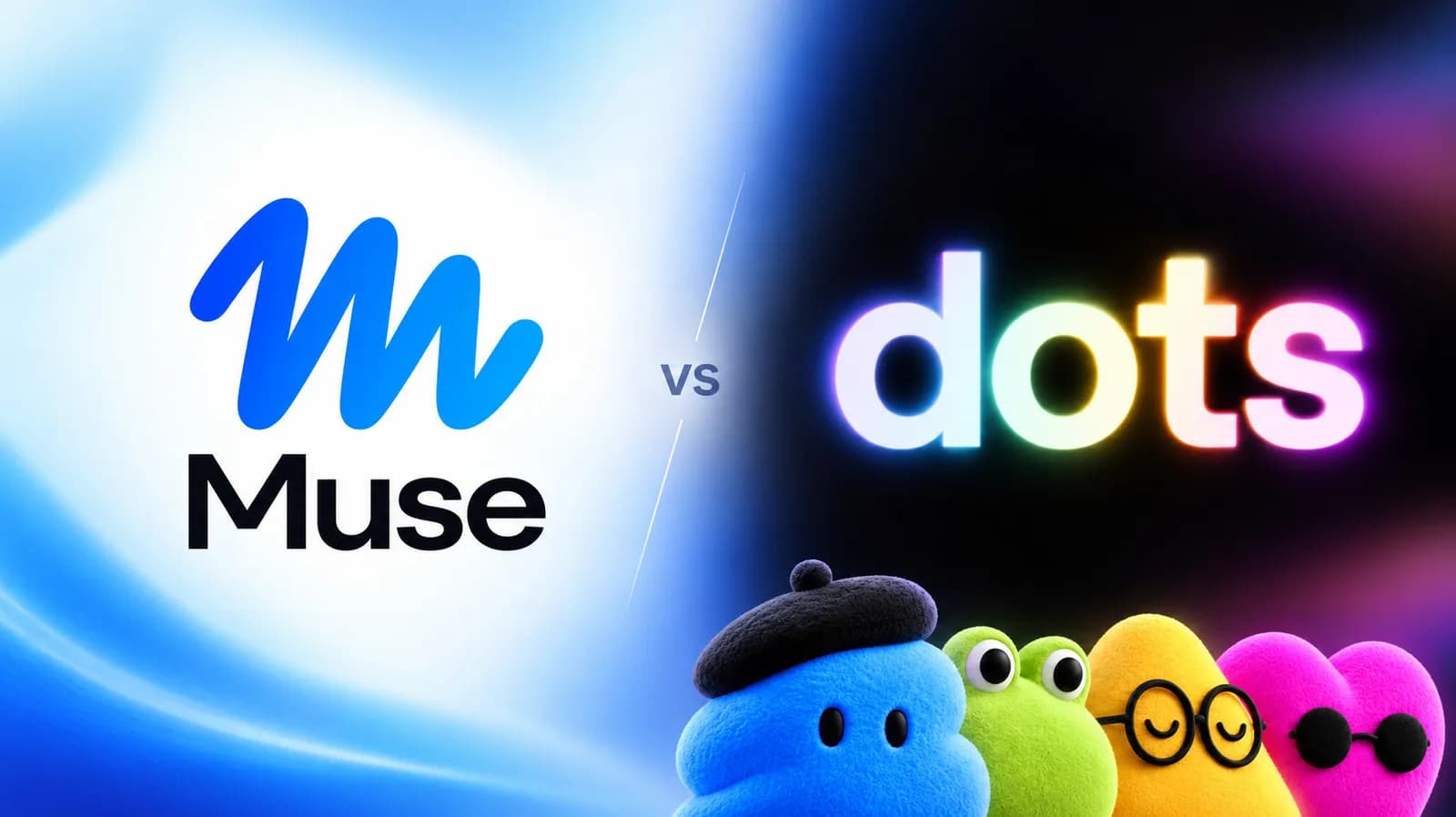
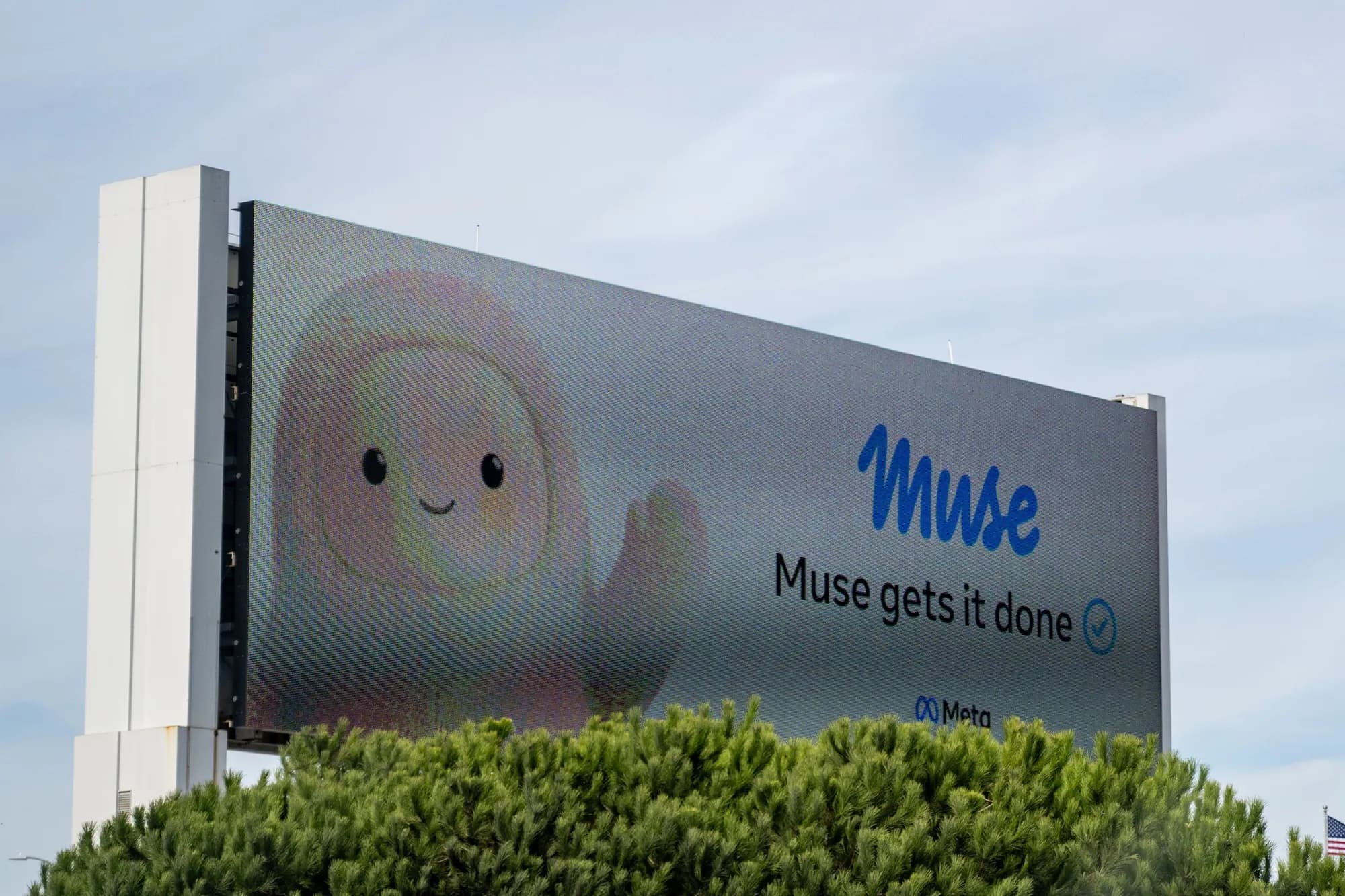
As OpenAI and Meta roll out their latest autonomous AI agents—provisionally dubbed Dot and Muse—the tech industry enters a critical new phase focused on intelligent workflows, pricing models, and ecosystem accessibility.

Meta implements a blanket advertising ban against TikTok's US minority stakeholder ByteDance, intensifying the cross-platform rivalry and corporate hostilities.

Millions of users are downloading Meta's Muse AI agent, but building detailed digital profiles of friends and family raises significant privacy concerns.

Meta is venturing deeper into ambient computing with its Muse platform and Muse Home Link, encouraging makers and developers to design custom connected hardware.

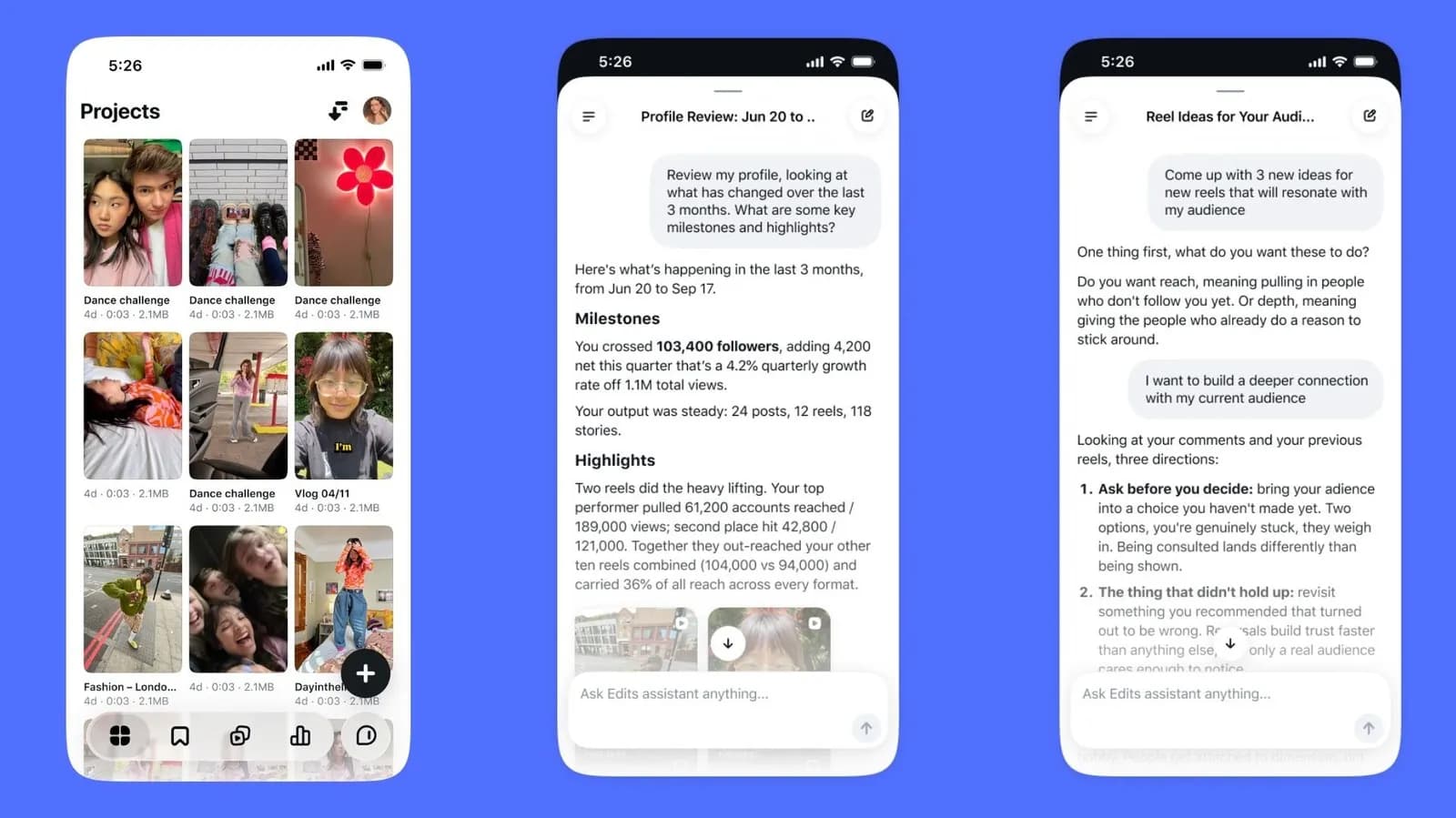
Meta is introducing an AI-powered assistant called Edits to deliver personalized content insights and creative suggestions for Instagram creators based on audience telemetry.

Meta is shifting its generative AI strategy toward enterprise monetization, aiming to turn its massive infrastructure investments into commercial revenue.

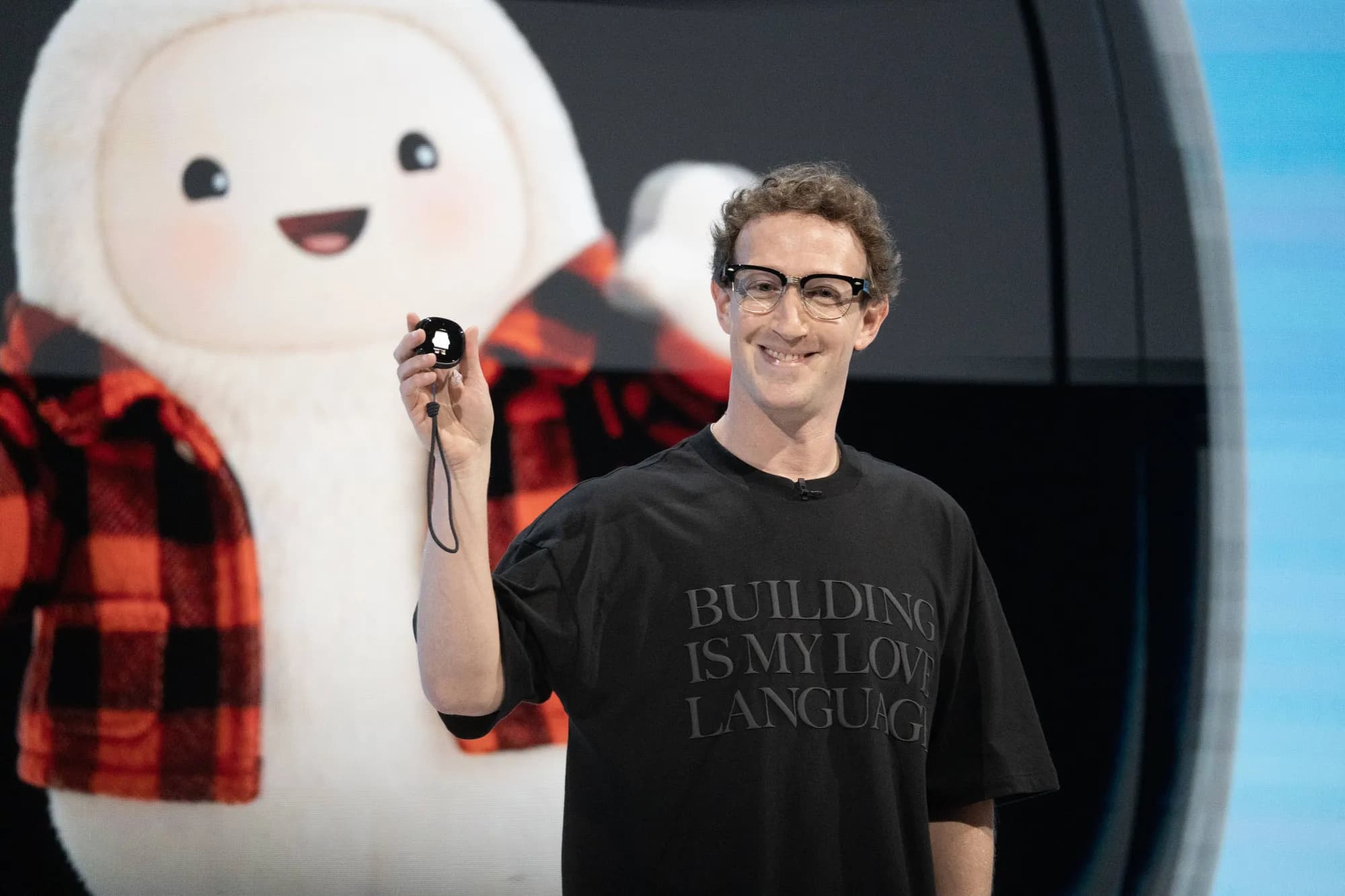
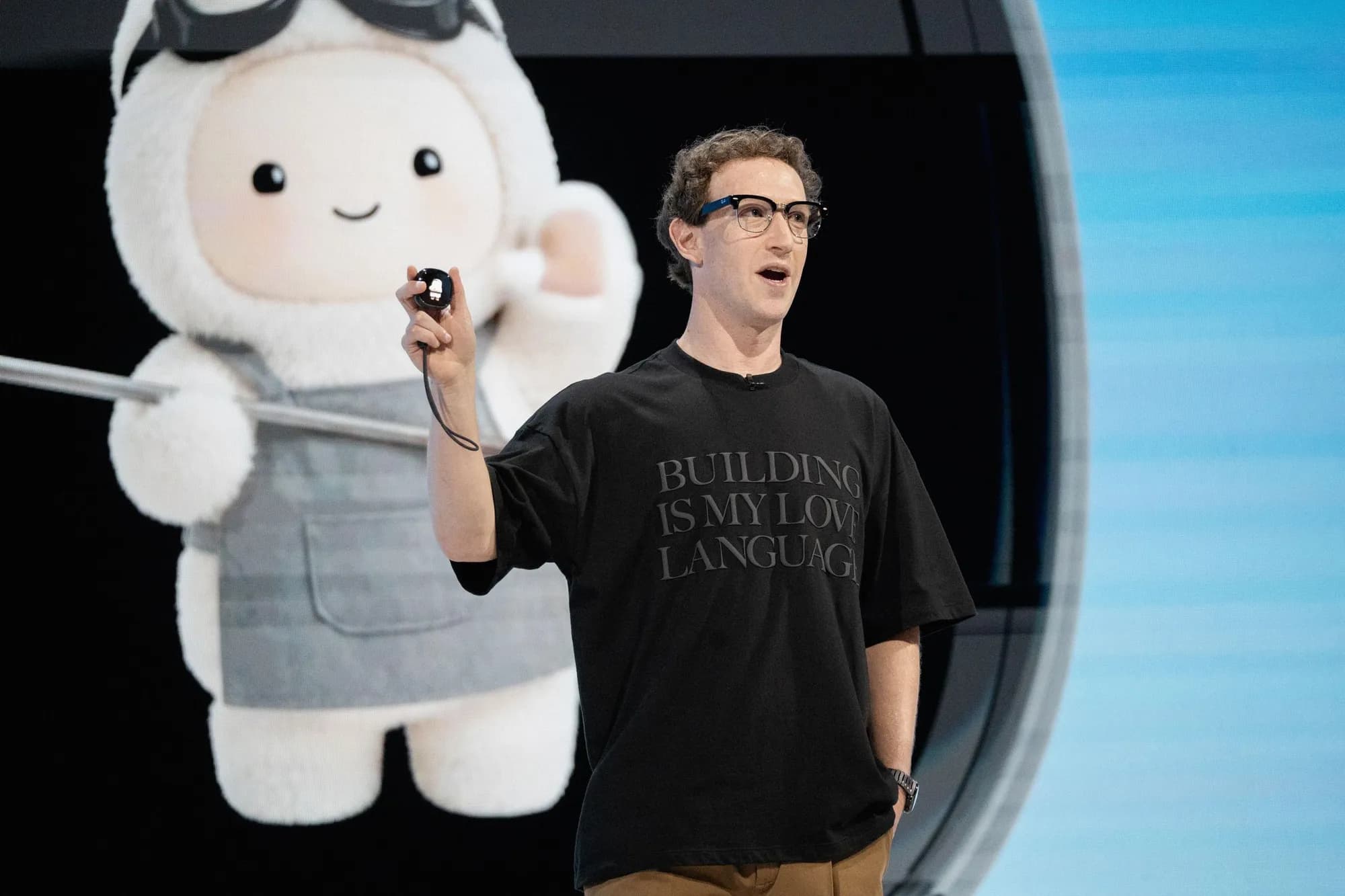
Meta's upcoming AI hardware project Muse pairs adult-oriented digital experiences with disarmingly cute, toy-like physical aesthetics. This sharp contrast highlights escalating challenges in AI product design, age verification, and emotional computing.

A New Mexico jury has found Meta liable for misleading users about personal data privacy, demonstrating that the architectural fallout of historic platform oversights continues to pose serious legal and technical consequences.

Meta's departure from a prominent renewable energy initiative highlights the intense power demands of modern AI data centers and the growing reliance on fossil fuels to keep servers running.